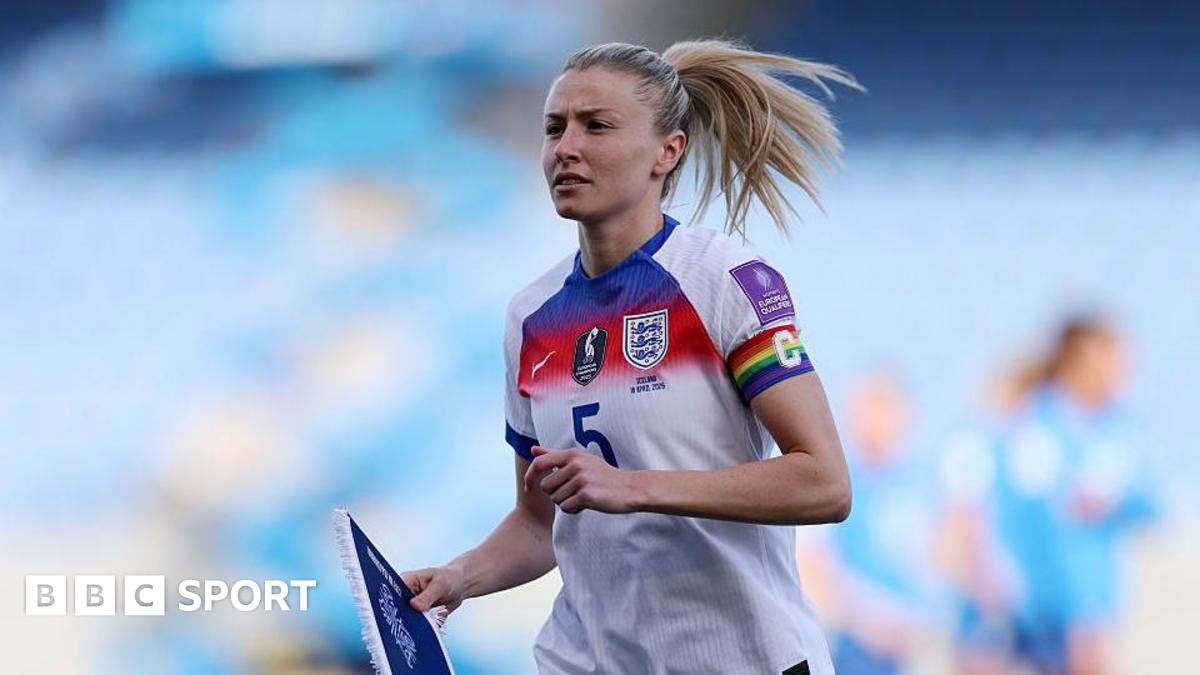
Sarina Wiegman faces a tactical crossroads against Spain
The personnel puzzle ahead of kick-off
England enters today’s meeting with Spain facing a recurring scrutiny regarding balance in the final third. The return of Ella Toone and Lauren James to the starting XI provides Sarina Wiegman with the technical profile required to break down a high press. However, slotting two creative dynamos into a setup that usually prioritizes structural rigidity creates spacing issues. We have seen this friction before in tournament settings.
The central question is how James operates in the half-spaces when Spain naturally cedes possession. Spain’s tendency to operate with an inverted fullback, often overloading the pivot, means England’s midfield must resist the urge to drop deep. If Toone and James pull too far into the pockets, they isolate the lone striker. England needs to maintain a 15-meter horizontal gap between the wide forwards to stretch the Spanish center-backs.
Midfield dynamics against the Spanish engine
Spain remains the most efficient passing side in the women’s game. Their efficiency isn't just about total volume; it is about the entry passes into the final third. As documented in the live tactical briefing, the battle between Keira Walsh and the Spanish midfield three will determine the share of expected goals. Walsh is the fulcrum, but England often suffers when she is forced to play square passes under pressure.
Too often during recent windows, England has bypassed the midfield entirely by hitting diagonal balls to the wingers. This approach yielded success against low-block opponents but proves disastrous against a side that thrives on second balls. Wiegman must prioritize ball retention through the center to neutralize the counter-attacking threat Spain poses. If the transition defense is caught in a 2-v-3 scenario during a lost duel, the lack of defensive cover in the holding role will be exposed.
The cost of tactical inflexibility
The reliance on the nucleus of the Euro 2022 winning squad creates a sense of stagnation. While the chemistry remains intact, the game state has shifted. Opponents have mapped England's pressing triggers, specifically keying in on the timing of the press when the ball moves to the Spanish right-back. If England fails to win the ball within the first 6 seconds of a turnover, they struggle to recover into an organized shape.
One glaring issue is the intensity of the defensive line. By holding a high line against opponents who exploit pace in behind, England leaves the keeper vulnerable to chips and breakaway finishes. The 1-0 result often favored by Wiegman’s teams hides a precarious defensive record where the opposition reaches xG values higher than expected given the possession share. Unless there is a adjustment to the distance between the back four and the midfield unit, Spain will find the gap.
The path to a result
Wiegman’s management style is synonymous with steady selection, yet tonight requires a tweak to the role of the wing-backs. England cannot afford to have both fullbacks committing forward simultaneously. By keeping one in a restrained position, they form a back three in possession, effectively shielding the defensive transition. This tactical shift is essential for preventing Spain from weaponizing the flanks.
Whether James has the discipline to hold her width remains the biggest variable. She prefers to drift inside, which is exactly what the Spanish defensive block wants to contain. If she remains wide, she creates space for the overlapping run or the cut-back to the penalty spot. A failure to execute this spacing will leave England frustrated and potentially trailing by the 60th minute. Wiegman has the talent, but she needs the discipline to match it.
Official Liverpool FC Liverbird Scarf
The classic fan scarf to show your support for the Reds.
Frequently Asked Questions
How should England adjust their front line spacing against Spain?
Why is Spain's inverted fullback a challenge for England?
What is the primary risk of England's current transition defense?
Why does England's reliance on diagonal balls struggle against Spain?
What defensive vulnerability exists with England's high line?
More Coverage
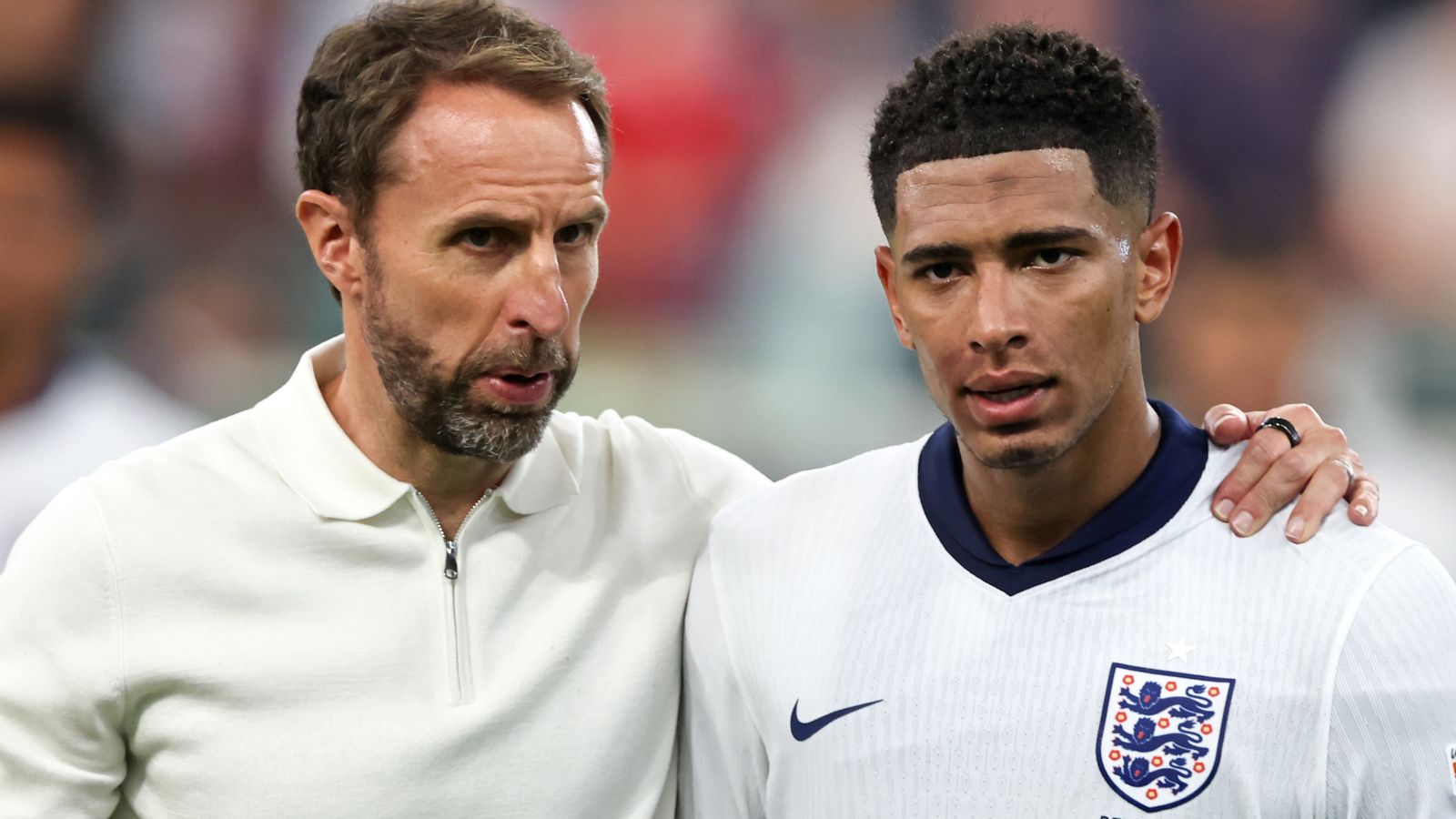
Top 10: England
5 hours ago
Amazon wants you to listen to Southgate while the highlights stay dead
5 hours ago
Canada avoids disaster with a late lifeline from Larin
8 hours ago
Thomas Tuchel's England selection prioritizes rigidity over creative flair
9 hours agoTop 10: Top Moments
10 hours ago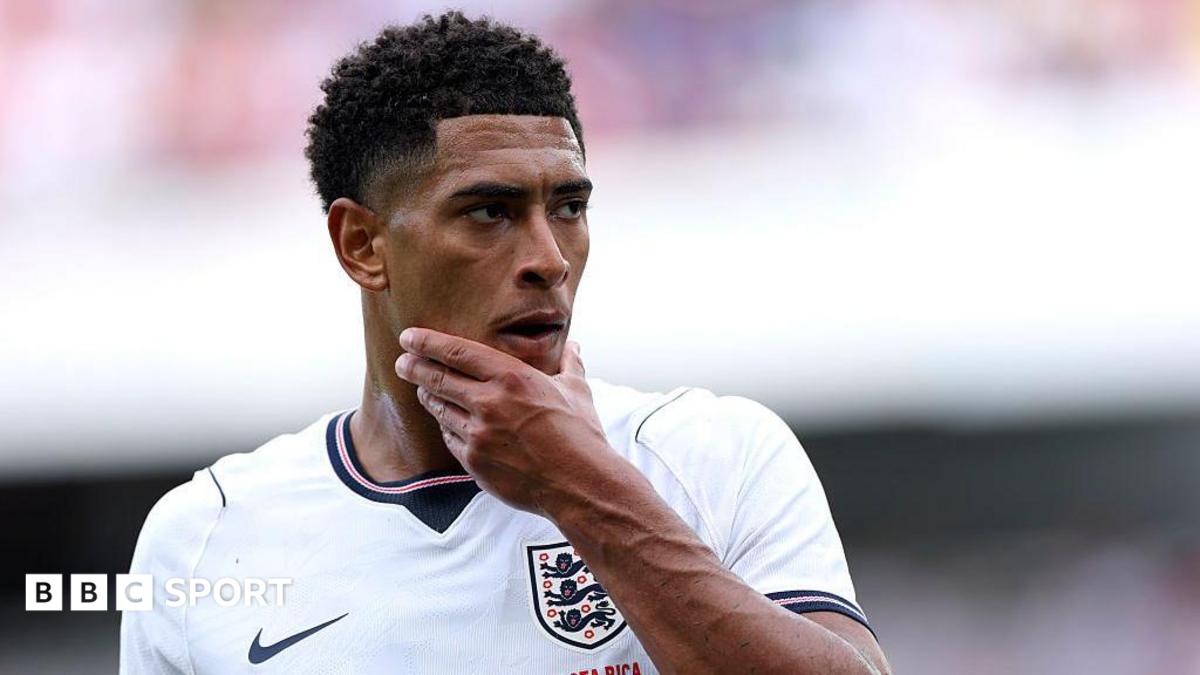
Bellingham is ready but England's backline remains a massive gamble
10 hours agoMore Analysis
England’s win over Spain hides a lingering tactical headache
1 month, 4 weeks ago
England’s reliance on individual brilliance is hiding tactical cracks
1 month, 3 weeks ago
England faces a cold reality check against Spain’s tactical superiority
1 week ago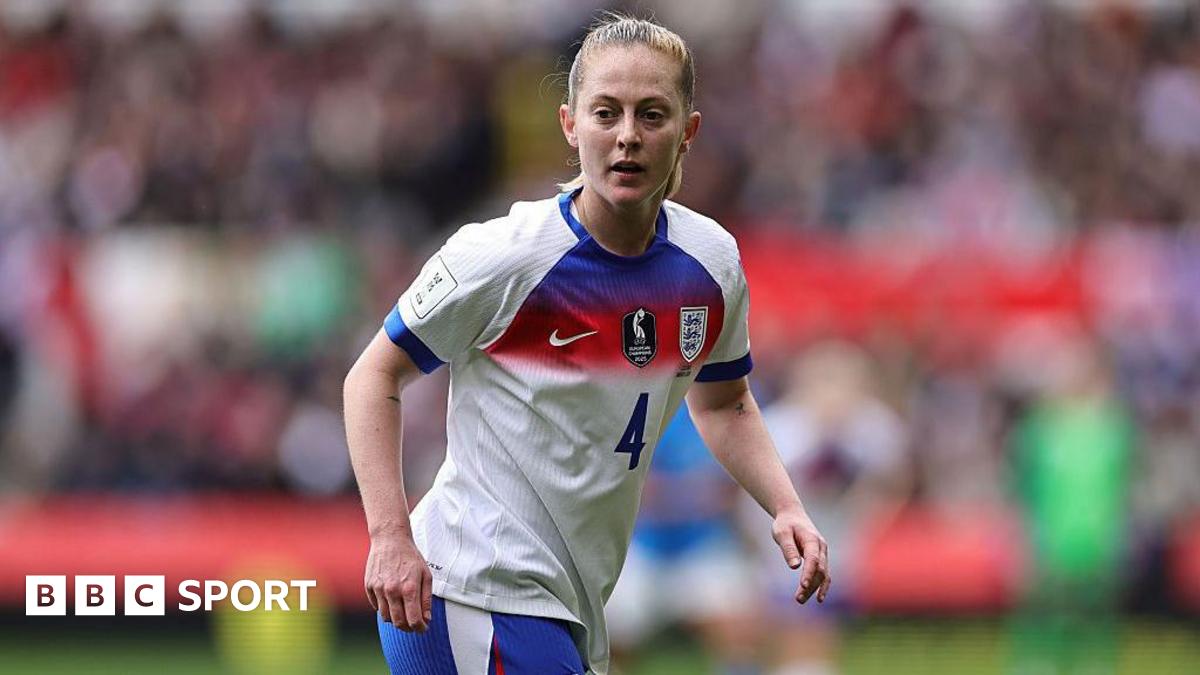
Keira Walsh hits 100 as England faces a reality check at Wembley
1 month, 4 weeks ago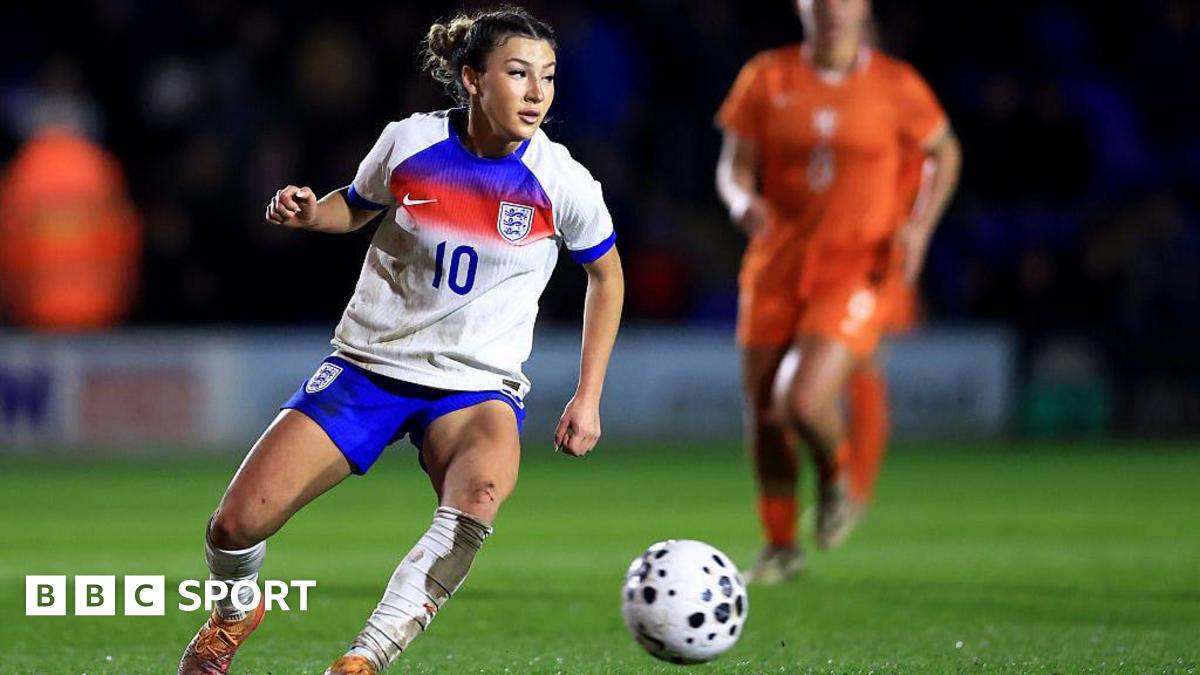
Why Sarina Wiegman is betting on Erica Meg Parkinson now
2 months, 1 week ago