Canada avoids disaster with a late lifeline from Larin

Tactical paralysis at Toronto Stadium
The atmosphere in Toronto was thick enough to cut, a suffocating mixture of hope and misplaced expectation. For 80 minutes, Canada looked like a team playing with lead in their boots against a disciplined Bosnia-Herzegovina side. The midfield was static, the transitions were sluggish, and Jesse Marsch’s high-pressing system—usually the hallmark of this tenure—looked entirely toothless.
It is easy to blame nerves for the initial display. Yet, the tactical reality was more concerning. Canada struggled to break down a low block that shifted seamlessly from a 4-5-1 to a 5-4-1 whenever the Canadians reached the final third. Too many passes were funneled into congested central areas, neglecting the width that players like Tajon Buchanan are supposed to provide.
The substitution that saved the campaign
Bringing on Cyle Larin in the second half was the only move that arguably kept the team’s tournament hopes from flatlining. He immediately altered the geometry of the attack, forcing the Bosnian center-backs to drift wider and creating just enough daylight for the equalizer. When the ball finally found the net, the noise inside the venue was nearly deafening.
It was a moment of instinct that saved a point, but it highlighted a deeper issue. Why was the team so hesitant for the majority of the match? The reliance on a late rally is not a sustainable model for a deep run in this tournament. Relying on Cyle Larin’s clinical finish to bail out the starting XI is a strategy doomed to fail against stronger opposition.
Missing the chance to secure the group
A draw is better than a loss, but let's be honest: this was two points dropped. The defensive transition remained a liability throughout the night. Even after the change in momentum, there were moments where Bosnia looked capable of hitting Canada on the break, exploiting the space left behind by full-backs who were too eager to contribute to the attack.
The finish line was 1 goal away from a much more comfortable position in the group standings. Instead, the team heads into their final group match with the weight of the nation’s impatience resting squarely on their shoulders. Canada managed to walk away with a share of the spoils, but the tactical flaws exposed during this performance were glaring.
If the plan is to simply outrun teams and hope for individual moments of brilliance, the ceiling for this squad is incredibly low. Marsch needs to find a way to make the possession phase more fluid, or the next game will be played under even more intense pressure. The crowd in Toronto erupted at the final whistle, but the silence during the first half said more about the true status of this squad.
They survived the test, to be sure. However, survival is not the same thing as progress. Whether this result serves as a wake-up call or a precursor to an early exit remains to be seen—but for now, the path forward requires much more structural discipline than we witnessed at the Toronto Stadium.
Read Next
- RefCam is changing how we watch the World Cup for better or worse
- Why Mexico’s opening win is a tactical minefield
- South Korea vs Czechia will expose the Group A defensive ceiling
- The divided loyalty of World Cup families is the ultimate sporting dilemma
- 🏆 World Cup 2026 — Full Coverage Hub
- 🇨🇦 Canada World Cup 2026 — Les Rouges Hub
EA SPORTS FC 24 - Standard Edition
The definitive football gaming experience to build your dream squad.
Frequently Asked Questions
How did Canada salvage a result against Bosnia-Herzegovina?
Why did Canada struggle tactically during the match?
What defensive concerns were highlighted during the game?
What is the primary criticism regarding Canada's current playstyle?
What does Canada need to improve for their next group match?
More Coverage

Jesse Marsch’s Canada opening draw was a chaotic mess
2 hours agoCanada’s identity crisis: Can Marsch sort the midfield before the next test?
4 hours agoTop 10: Top Moments
7 hours ago
Ghana’s midfield is in total shambles before the Panama kickoff
8 hours ago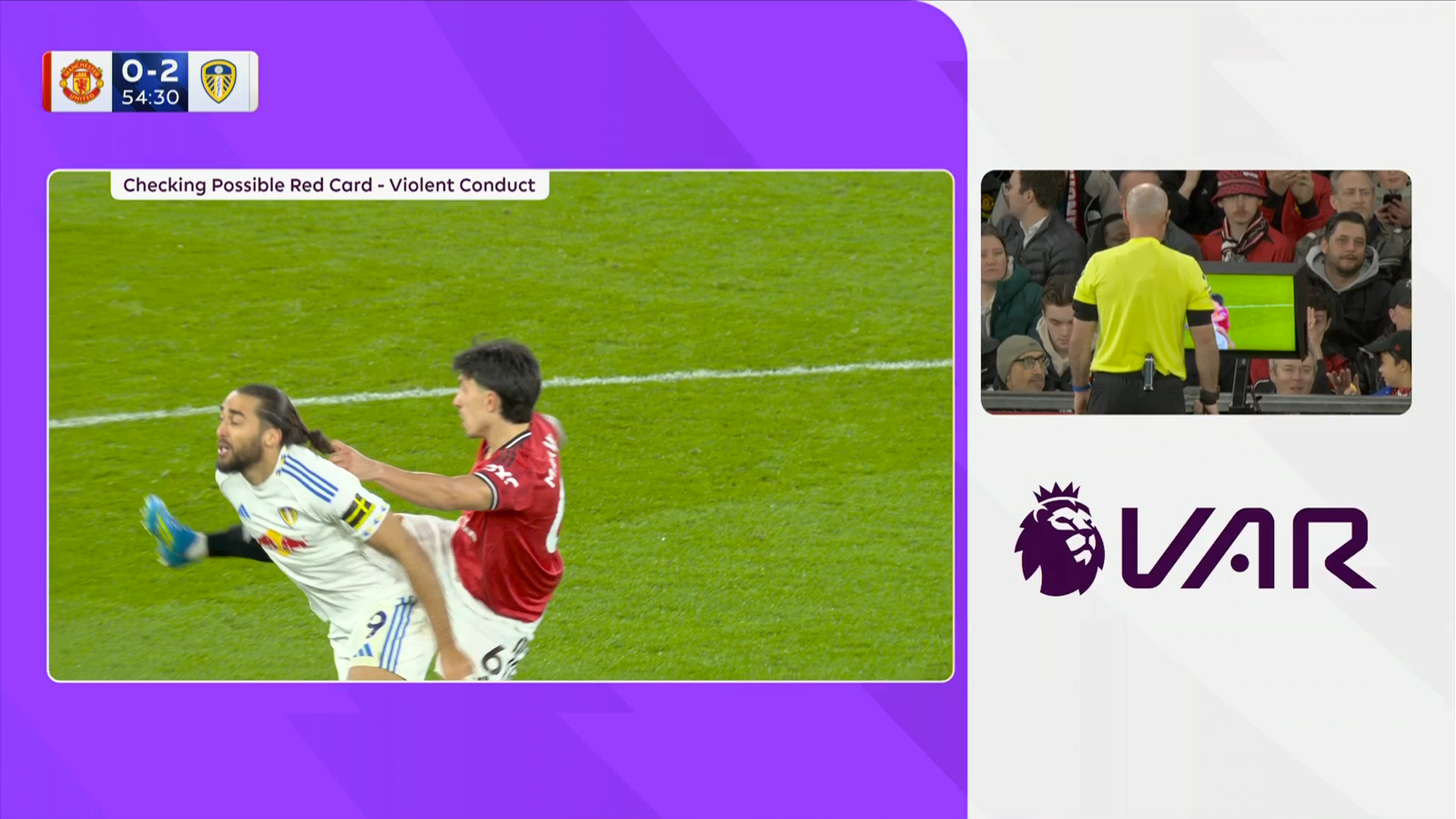
Why the PL's new hair-pulling rule will be a officiating nightmare
8 hours ago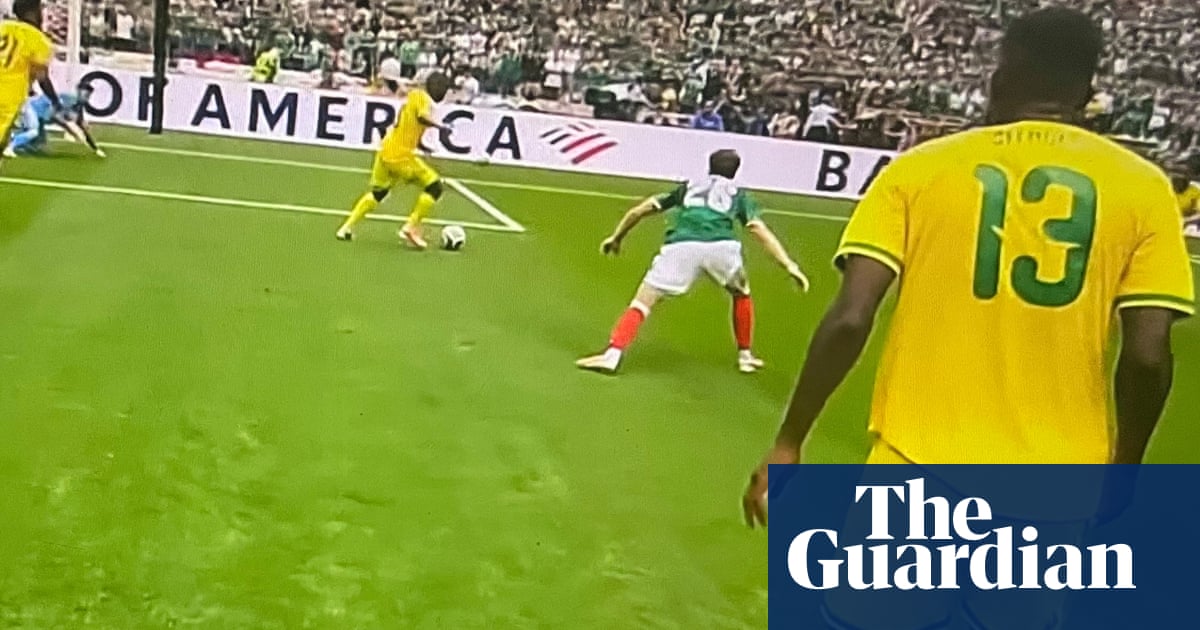
RefCam is changing how we watch the World Cup for better or worse
9 hours agoMore Analysis
Jesse Marsch’s Canada opening draw was a chaotic mess
2 hours ago
Canada's World Cup opener exposed their tactical fragility
6 hours agoCanada’s identity crisis: Can Marsch sort the midfield before the next test?
4 hours agoCanada’s defensive brain fart salvaged by a last-gasp equalizer
5 hours agoCanada’s defensive discipline is the only path forward against Bosnia
5 hours ago