The resale market is already hemorrhaging options
We are officially one week away from the 2026 World Cup kickoff, and the vibe shift is real. While the rest of the world is busy debating tactical formations and squad depth, a slice of the internet has spent the last 24 hours staring at a glaring issue in the ticketing portal for the opening fixtures.
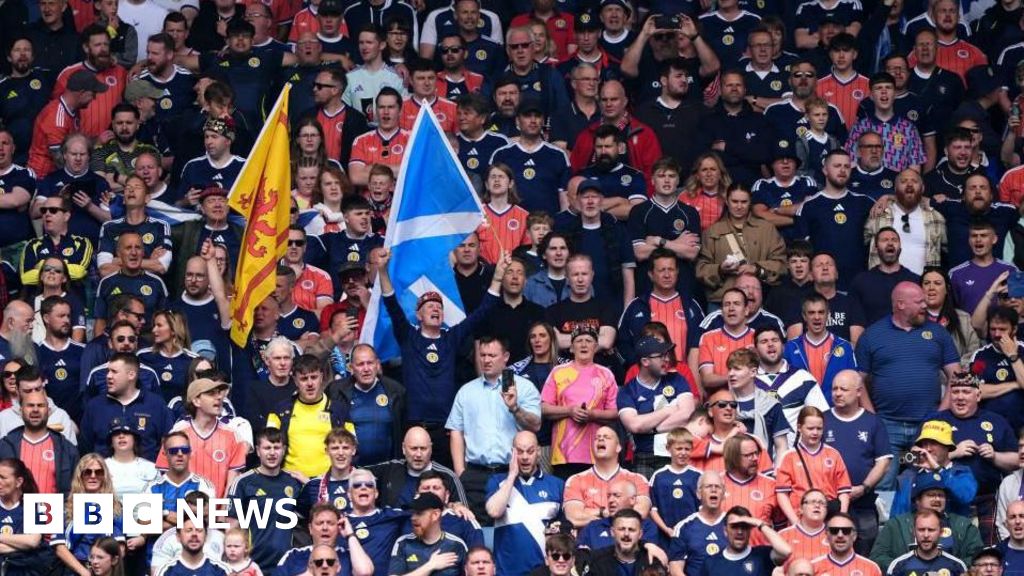
Dozens of tickets for the Scotland vs Haiti match on 12 June have surfaced on third-party resale sites. It is a messy look for what should be a peak-demand event. Why are fans offloading these seats before the teams even set foot on the pitch?
The optimist versus the cynic
The enthusiasts in the thread are pulling the classic 'it is just a logistical hiccup' line. They argue that these listings are likely just armchair scalpers who overextended their budgets and are now panicked about eating the loss. If the game is at a venue with a 50,000-seat capacity, a few dozen tickets appearing on a secondary site is just a drop in an Olympic-sized swimming pool.
Then you have the skeptics, who are louder and significantly more annoyed. They point to the high price of travel and the logistical nightmare of attending tournament matches in scattered cities across the host nations. One vocal poster noted that if fans are dumping tickets for a group stage game this early, it spells disaster for the crowd atmosphere. They fear an empty section aesthetic that ruins the television broadcast.
My take: The tournament pricing model is broken
Let’s call this what it is: a failure by the organizers to account for the actual human reality of being a traveling football fan. When you make tickets expensive and force supporters to jump through absurd registration hoops, those fans eventually stop being fans and start being commodities. You are essentially turning the opening week into a high-stakes poker game where the house—in this case, the secondary market platforms—always wins.
I have serious doubts about the atmosphere of this specific match. If actual supporters are looking for an exit strategy, you get a stadium full of corporate sponsors who do not know the difference between a throw-in and a goal kick. It drains the energy out of the room completely. We saw this back in 2022 when the tournament felt like a sterile, manufactured product for long stretches of the group stage.
There is also the matter of the technical barriers. Many of the fans I talk to in the Discord keep complaining about the app-based access that makes it impossible to share or transfer tickets without clearing a bureaucratic hurdle. That friction, combined with the 12 June date falling on a Thursday, makes it a hard sell for the casual fan who actually has to show up for work on Friday morning.
The verdict on the resale crunch
So, which side of the argument is winning? It is the skeptics by a landslide. Even if the tickets eventually sell, the fact that they are hitting secondary sites with a week to go suggests that demand is not the frenzied monster the marketing department claimed it would be. If this match were truly 'the place to be,' you would see people holding onto their tickets like they were gold bars, not dumping them for a quick recoup.
The organizers need to address these friction points before the tournament turns into a ghost town, specifically for games that do not feature the absolute biggest nation-brands. Hosting a successful tournament requires more than just selling out the final. It requires getting actual skin in the game for the Tuesday and Thursday fixtures.
Expect to see more of this volatility in the coming days. As we get closer, you might even see the prices tank as the 'investors' get desperate. My advice? If you really wanted to go to the Scotland match, stop panic-buying and just wait until 48 hours before the whistle. You will likely pick up those seats for a fraction of the current asking price.