Predicting the shifting power dynamics of English football
The 2026-27 season looms as a defining window for Premier League heavyweights as squads undergo structural evaluations. Clubs face distinct crossroads regarding personnel retention, tactical alignment, and long-term project stability.
1. Arsenal's Title Sustainability
Emile Heskey has publically identified Arsenal as the primary challenger for the upcoming campaign. After narrowly missing out on recent silverware, Mikel Arteta must prove his squad has the mental fortitude to sustain a ten-month race. Their reliance on high-intensity pressing remains their greatest strength but poses a risk of fatigue during the final third of the season. Without a significant depth injection, they risk a repeat of their late-campaign stagnation.
2. The Manchester United INEOS Audit
Change is constant at Old Trafford as INEOS continues its aggressive restructuring. Recent reports indicate that key players are finalizing new deals to stabilize the core, a move intended to quiet dressing room uncertainty. Andre Onana remains central to their tactical evolution, with leadership betting on his distribution to define their style of play. If they cannot replicate the consistency seen in cup competitions, the pressure on the coaching staff will hit a boiling point by November.
3. Daniel Farke and the Leeds Project
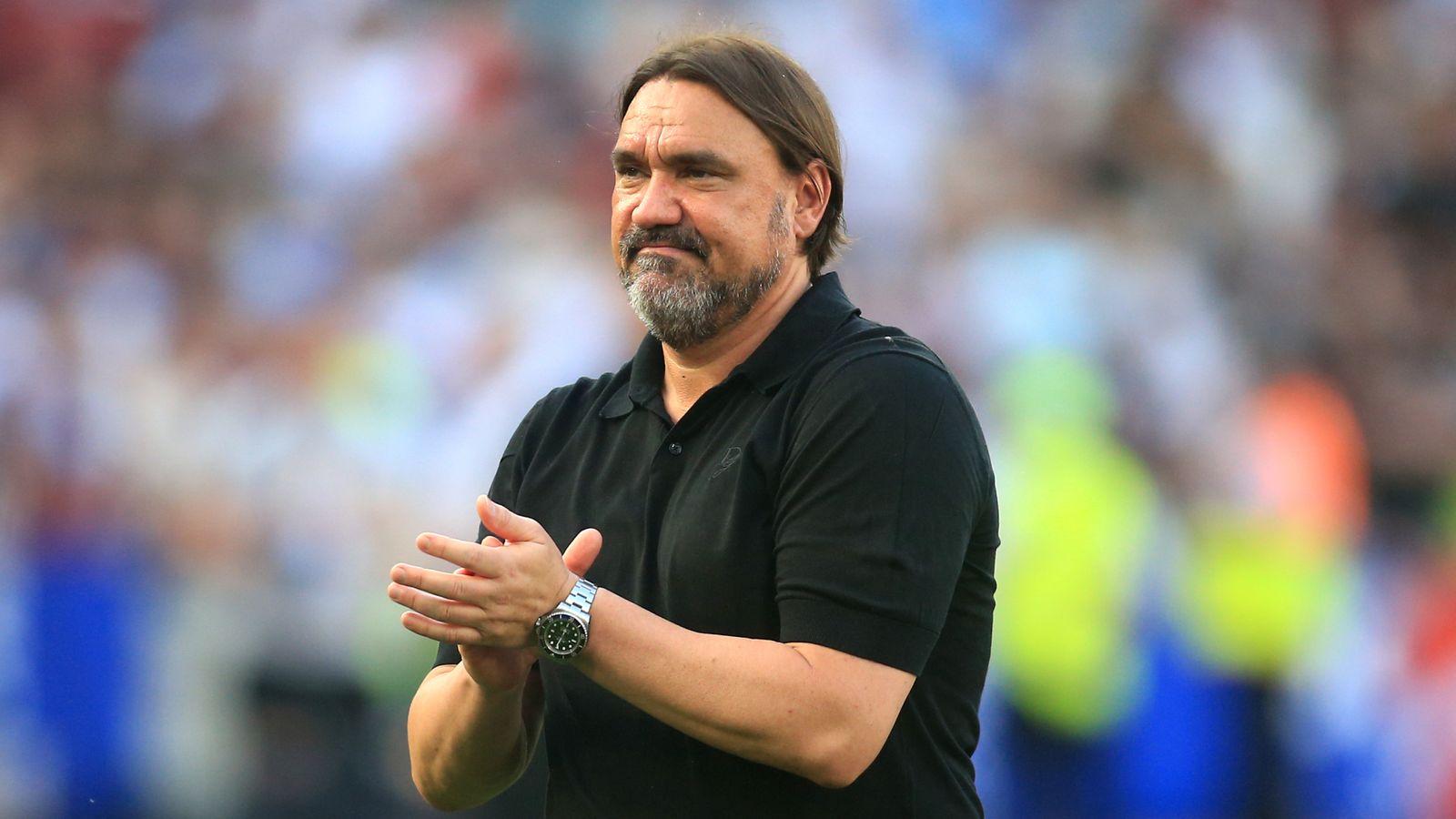
Paraag Marathe has confirmed his desire for Daniel Farke to serve as the long-term architect at Elland Road. Stability is the priority for the board, yet the Championship and lower Premier League volatility rarely reward patience. Farke must prove he has the defensive tactical variance to survive if they secure promotion. Relying on a singular philosophy is commendable but often leads to 0-3 defeats against more pragmatic tactical setups.
4. Liverpool's Post-Success Transition
The transition period at Anfield requires more than just sentiment to maintain their status as top-four locks. Heskey notes that the expectation on the club remains elevated despite the changing of the guard in key roles. They struggle with defensive transitions when their full-backs push high, leaving center-backs exposed against pace. Failing to address these gaps in the summer market will result in a drop-off compared to their previous output.
5. The Financial Fair Play Tightrope
Profit and Sustainability rules are no longer theoretical threats; they are active constraints on recruitment. Clubs like Everton or Nottingham Forest demonstrate how quickly points deductions alter a campaign. Teams that fail to balance their books by the June 30 deadline face immediate disadvantage. This forces directors to sell homegrown talents for £0 profit value, effectively gutting academy pathways to satisfy auditors.
6. The Managerial Carousel
Stability is dying. We expect at least four sackings before the winter break as clubs panic to save their Premier League status. Owners are increasingly data-driven, viewing managers as disposable components of an investment portfolio. This creates a volatile work environment where long-term development is sacrificed for results in the next 90 minutes.
7. The World Cup Impact
The 2026 World Cup, starting in just 7 days on June 11, will leave squads shredded. Fatigue and injuries sustained in North America will dictate the first two months of next season. Clubs with heavy national team representation will start slower, putting the onus on bench strength. The depth of the bench, not the star power of the starting XI, will differentiate the top four from the mid-table pack.
8. Defensive Tactical Regression
We are seeing an over-correction toward ultra-defensive blocks. Teams are playing for 0-0 draws to secure points against superior opposition, leading to a decline in aesthetic quality. While effective for survival, it devalues the product and frustrates fans who pay premium ticket prices. Coaches who refuse to embrace progressive transition play will eventually find themselves unemployed by December.
9. The Scouting Reliance on Data
Recruitment departments are increasingly ignoring the 'eye test' in favor of raw analytics. While this uncovers gems, it often misses character flaws or player chemistry issues. A spreadsheet can calculate xG, but it cannot measure a player's ability to cope with the environment of a 60,000-seat stadium. Expect several high-priced signings to struggle as their statistical profiles fail to materialize on grass.
10. The Rise of the Wide Forward
The decline of the traditional center-forward persists. Tactical trends favor mobile wingers who can interchange positions, effectively rendering fixed-target men obsolete. Unless a striker can contribute to the high press as recent analysis suggests, they remain tactical liabilities. Expect record spending on wide players who provide both defensive tracking and attacking output.
Honorable Mentions
The influence of set-piece specialists in coaching staffs and the continued erosion of the 'home field advantage' due to VAR and sterile stadium atmospheres remain critical sub-plots to watch. As Sky Sports reported, the focus on managerial longevity remains an outlier strategy for Championship clubs like Leeds United. Meanwhile, TeamTalk reporting on contract extensions points to a desire for internal consistency at Manchester United as the league enters its next major broadcast cycle.