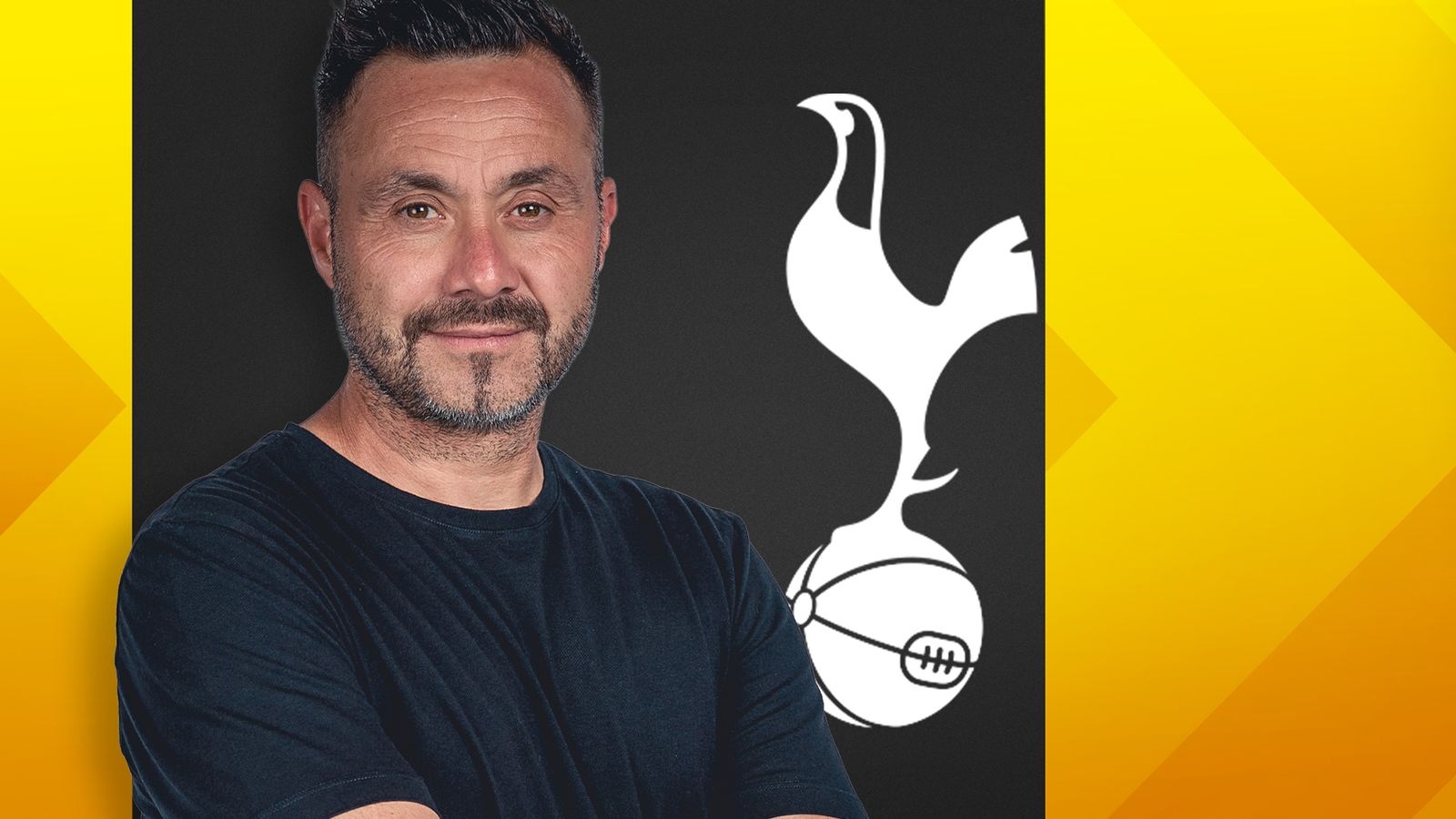
The injury clock is ticking for Tottenham
Tottenham Hotspur confirmed yesterday that Son Heung-min has sustained a Grade 2 hamstring tear during the final stages of Sunday’s training session. The injury occurred while the forward was tracking back during a high-intensity transition drill. Medical staff confirmed the diagnosis following a scan this morning.
Initial projections from the club’s medical department suggest a recovery timeline of six to eight weeks. If this estimate holds, the club captain will miss the entire remainder of the Premier League season. He will play no part in the final sprint to secure a European spot.
Tactical ripple effects of the absence
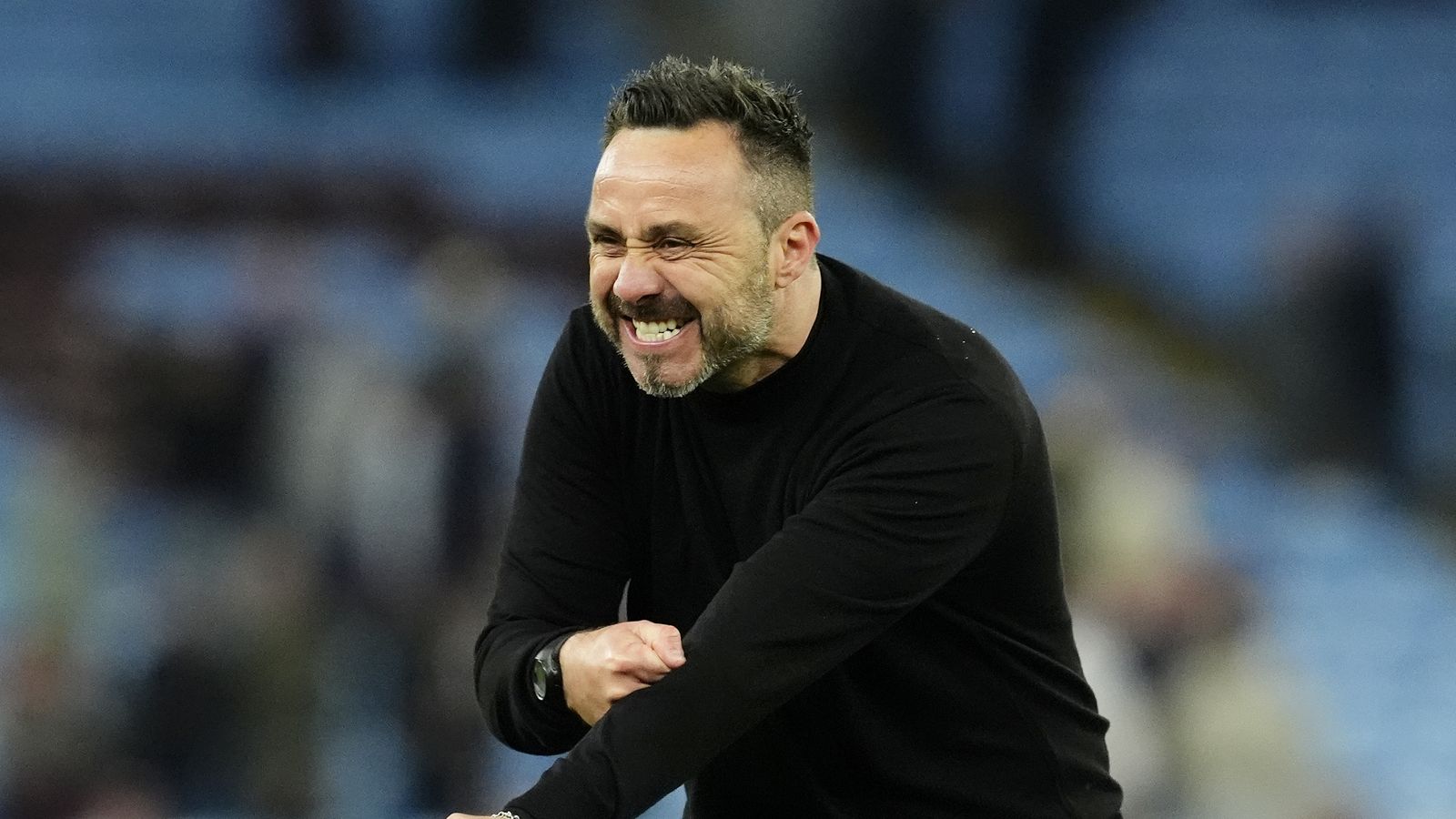
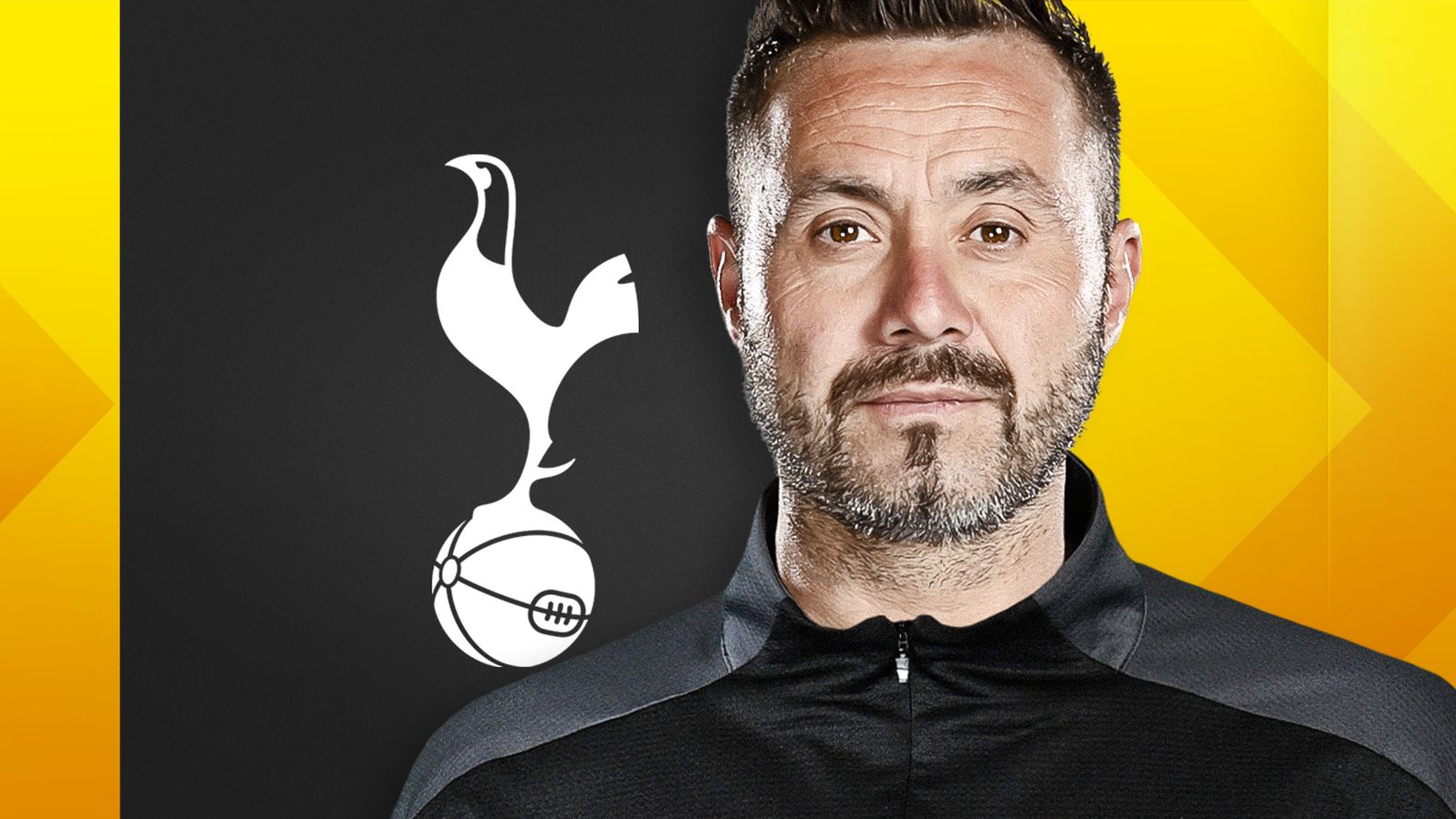
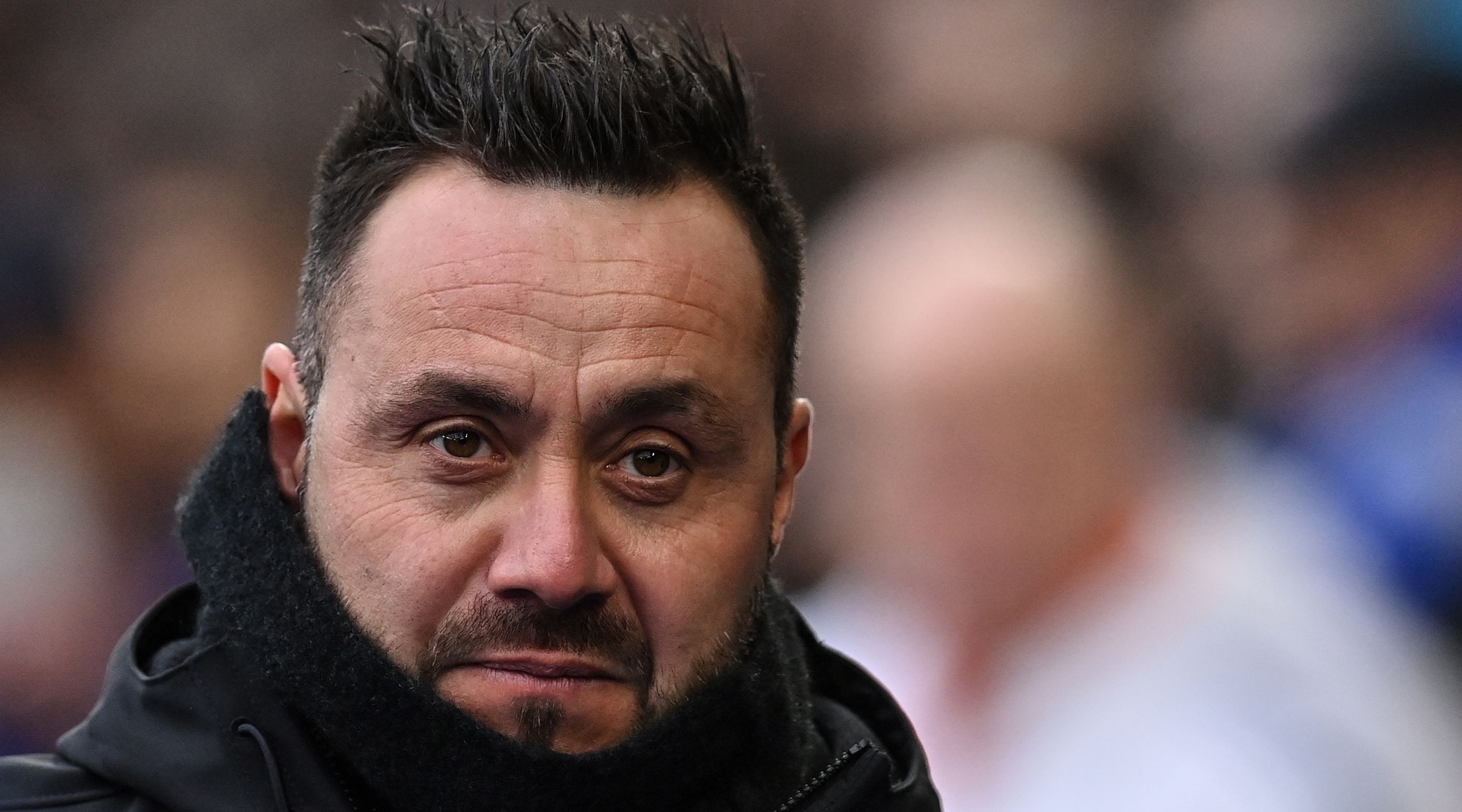
Roberto De Zerbi, who recently arrived to stabilize the club during this precarious relegation and European fight, now faces a massive tactical dilemma. Losing the primary goal threat and the team's most experienced presser creates a void that cannot be filled by internal rotation alone. The attacking rhythm built over the last month relies heavily on Son dragging defenders wide to create pockets for mid-range runners.
Historically, Spurs have struggled to maintain offensive fluidity whenever the South Korean forward has sat out with soft tissue issues. Back in March 2021, a similar hamstring problem saw the team drop points in three consecutive games against mid-table opposition. Reliance on Brennan Johnson or Timo Werner to shoulder the creative load remains a significant gamble for a staff still navigating a difficult locker room.
The broader cost of the 2026 fixture congestion
This injury represents a failure in load management during a year where the schedule has reached a breaking point. Professionals are playing more minutes than ever before, and recent reports on intense squad rotations highlight the physical toll mounting on veteran players. De Zerbi’s high-pressing style demands peak conditioning, but playing such demanding football twice a week is clearly pushing players beyond their safety limits.
Tottenham’s inability to integrate younger squad members until a crisis forces the issue shows a lack of long-term planning. Relying purely on the starters to carry the weight has proved to be a flawed strategy. Watching a season disintegrate because of a lack of squad depth is a frustration shared by supporters who watched the January transfer window pass with minimal reinforcement.
Looking ahead to the final stretch
The immediate goal for the club is to avoid a complete meltdown while Son undergoes rehabilitation. With only 57 days until the season concludes, the margin for error is non-existent. The medical team will attempt to accelerate his return, but rushing a grade-two hamstring tear often results in a permanent recurrence.
We have seen this script before, where a star player returns two weeks early, only to pull up in the first ten minutes of their comeback match. The decision to risk the long-term career of a legend for a mid-table finish would be a massive strategic mistake. For now, the bench must find a way to perform without the primary outlet. The upcoming match against mid-table challengers will serve as the first true test of whether this squad has any resilience left.
The club has not confirmed if Son will be available for any friendly matches or early international camps if his recovery hits the 6-week best-case scenario. However, most experts suggest a return to full speed will take closer to 8 weeks, effectively ruling him out until late May. Management must now decide if they are playing for individual player health or merely scraping together enough points to finish as high as possible in the table.
The financial impact of sliding down the rankings could be severe if European revenue is lost, but the physical tax on the remaining squad is the more pressing concern. If the remaining players mimic the intensity required by the manager without adequate rotation, more soft tissue injuries are inevitable before the final whistle sounds in late May.
Read Next
- Arsenal eye Newcastle trio while Spurs scramble under De Zerbi
- Roberto De Zerbi has a massive rebuilding job at Tottenham
- Roberto De Zerbi is the ultimate gamble for a reeling Tottenham
- Roberto De Zerbi to Spurs: A tactical gamble for the White Hart Lane faithful
- 🇰🇷 South Korea World Cup 2026 — Taeguk Warriors Hub