The tiki-taka ghost is finally buried
For the last decade, watching Spain in international tournaments felt like attending a wake for a friend who refused to stay dead. We watched endless, agonizing cycles of geometry homework disguised as football, where La Roja would complete a thousand five-yard passes only to get bounced in the Round of 16 by a team that actually knew how to clear a ball. It was boring, it was predictable, and honestly, it felt like the federation was trying to recreate the 2010 magic with a bunch of guys who didn't get the memo that the world had changed.
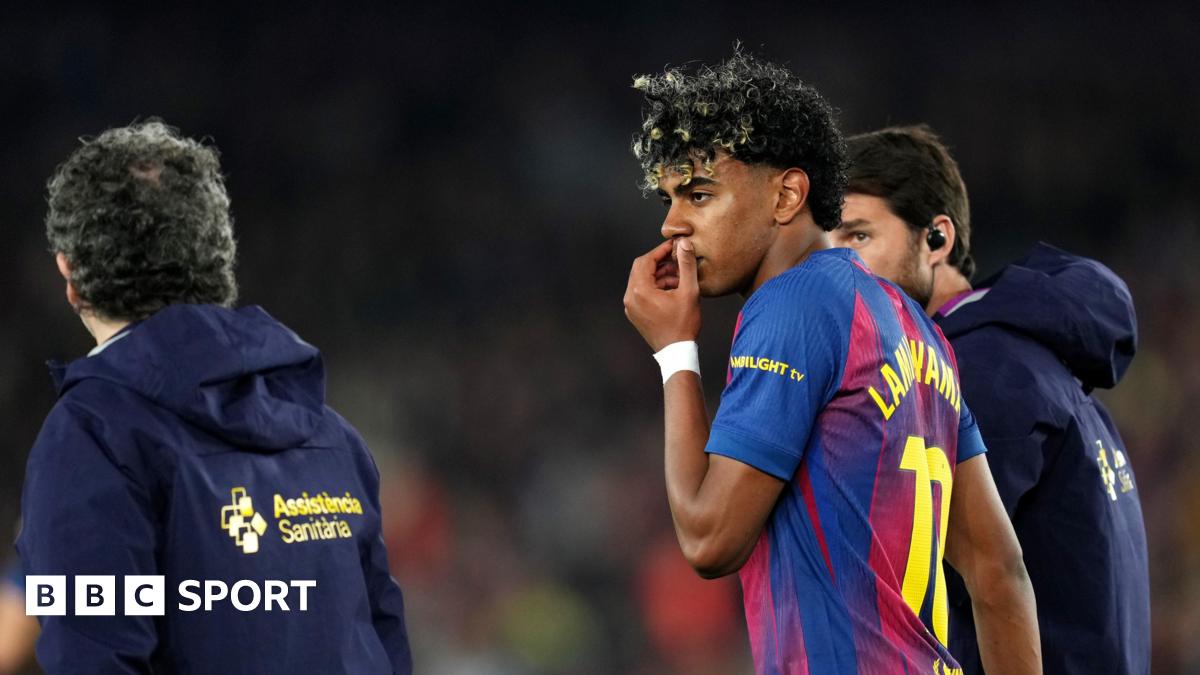
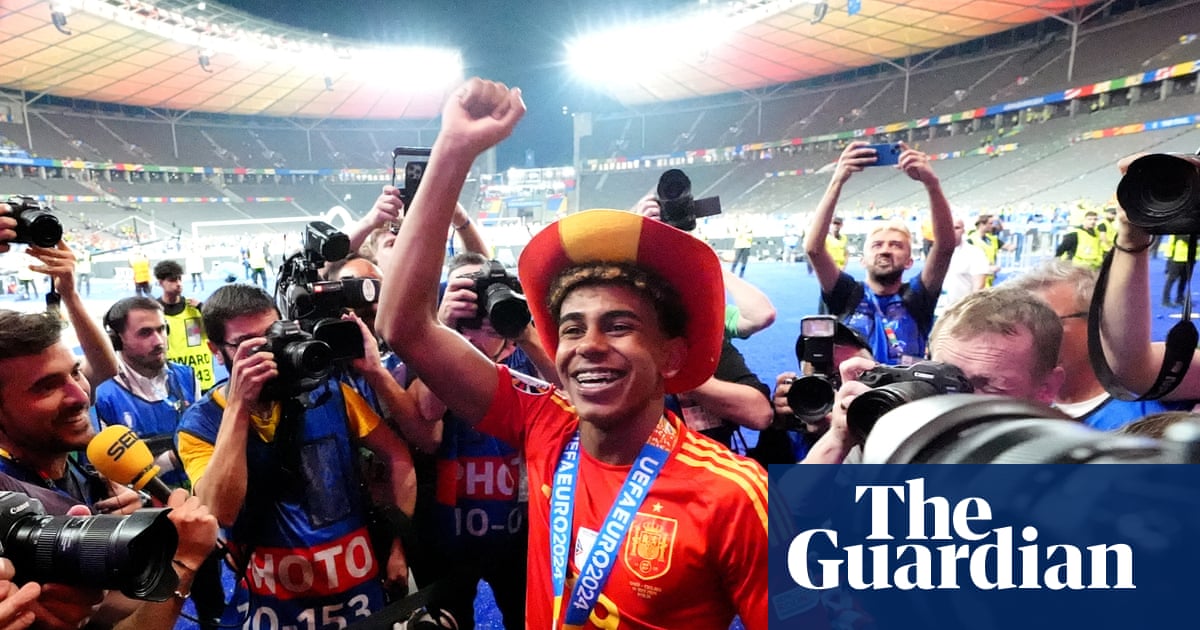
Then came the Lamine Yamal and Nico Williams era, and suddenly, the air in the room changed. These kids don’t care about the historical baggage of the 2012 vintage. They don't want to play keep-away; they want to run at you, terrorize your fullbacks, and drag the game into the gutter if they have to. It’s the kind of high-octane, direct chaos that makes you actually lean into the screen instead of checking your phone for the score.
Tactical bravery over possession vanity
Luis de la Fuente isn't trying to be Pep Guardiola with less talent, and that’s the smartest decision he’s made in years. Look at the way this squad approaches the final third. Instead of waiting for an opening that never arrives, they manufacture windows of opportunity through raw verticality. The wing play isn't just a gimmick; it’s the primary engine of their offense.
When Yamal cuts inside, he’s not looking to restart a passing sequence. He’s looking to find a pocket or rip a shot from 20 yards. It’s reminiscent of the 2008 breakthrough, but with more adrenaline and less patience. This isn't your grandfather’s possession football. It’s a transition-heavy approach that feels tailor-made for a tournament held on the fast, expansive pitches of the North American landscape.
The cracks in the armor
Let’s not get ahead of ourselves, though. There is a glaring issue that could bring this whole house of cards tumbling down in the knockout stages. The defensive structure when high balls come into the box is still shaky at best. Too often, they lose focus on second balls, and against a team with a physical striker—think England or even a well-organized USMNT—they could get bullied out of a match they are otherwise dominating.
We saw this vulnerability in recent friendlies where a single long ball completely unzipped the backline. They have the skill to outscore opponents, but in a tournament setting, you eventually run into a team that forces you to defend for twenty minutes straight. Can their pivot survive that pressure? If they don't tighten up the spacing between the center-backs, the spectacular run will end in an embarrassing exit, and we’ll be right back to complaining about the lack of grit in the roster.
The path to redemption
The 2026 World Cup is arriving in 17 days, and the buzz around this group is legitimately infectious. For the first time in years, the roster doesn't feel like a collection of league-system specialists who look lost without specific instructions. They play with the kind of street-ball confidence that you only see from players who were raised on highlights and highlight-reels.
Managing expectations for a squad this young is a fool’s errand, but the floor for this team is significantly higher than 2022. They possess the individual brilliance to change a game with one touch. When you have individual X-factors, you stop being a system team and start being a threat. Spain isn’t just competing in 2026; they’re acting like they own the place.
They’ve finally stepped out from the massive, suffocating shadows of Xavi and Iniesta. History matters, but it’s a anchor if you carry it too long. This 2026 version of La Roja is finally sailing with the wind, and if they can sort out the defensive lapses before kickoff, they are effectively the most dangerous wild card in the bracket. It’s time to move past the glory days and accept that, for better or worse, we are in the era of high-speed, heart-attack football.
Read Next
- The USMNT isn't winning the World Cup, so stop the delusion
- FIFA is diluting the World Cup for a quick cash grab
- World Cup Quarter-Finals: Who actually wants to win this trophy?
- Thomas Tuchel just blew up England's World Cup squad and the internet is losing its mind
- 🏆 World Cup 2026 — Full Coverage Hub
- 🇪🇸 Spain World Cup 2026 — La Roja Hub