Spurs and West Ham are staring into the Championship abyss

The Unthinkable Reality
The calendar reads May 16, 2026. In less than a month, the footballing world will turn its eyes to North America for the expanded FIFA World Cup. The hype machine for the summer is already in overdrive. But if you walk the streets of N17 or Stratford this morning, nobody cares about the international festival of football.
They are entirely consumed by a local nightmare. Two of London’s wealthiest and most established clubs are standing on the edge of the ultimate precipice. Tottenham Hotspur and West Ham United are staring relegation dead in the face.
The mood is beyond grim. As The Guardian reported today, the atmosphere among the supporters has turned incredibly toxic. The publication ran a photo essay by Tom Jenkins capturing the sheer despair in the stands. The accompanying text distils the fan experience into five brutal words.
Fury. Grief. Embarrassment. Horror. Resignation.
This is not the standard end-of-season disappointment. This is an existential crisis. Relegation from the Premier League is a financial catastrophe for any club. But for organizations with the wage bills and stadium overheads of Spurs and West Ham, it is an absolute disaster. The Guardian piece rightly points out that both clubs are suffering the consequences of "years of mismanagement".
You do not end up in the bottom three by accident when your revenues dwarf the rest of Europe. You get there through sustained, arrogant incompetence.
The Tottenham Hotspur Tragedy
Let us examine the wreckage at Tottenham first. This is a club that built a £1 billion mega-stadium specifically to host the biggest matches on earth. Daniel Levy designed a venue to rival the best in the world. They brought in NFL games, heavyweight boxing, and global pop superstars. The corporate strategy was flawless. The football strategy was nonexistent.
For years, Tottenham have operated under the delusion that world-class facilities automatically translate to world-class performances. The managerial carousel has spun wildly. Every new coach arrives with a different philosophy, demanding different profiles of players. The result is a squad composed of four different managers' cast-offs. You have possession-based midfielders trying to link up with counter-attacking wingers. It is a tactical mess.
When the pressure dial turns up, this Spurs squad visibly shrinks. There is a deeply ingrained mental fragility at the core of the dressing room. We saw it repeatedly this season. When they concede a soft goal away from home, the heads drop. The passing becomes slow and fearful. Nobody wants to take responsibility.
A relegation dogfight requires grit, cynical fouls, and ugly 1-0 wins. Tottenham do not know how to win ugly. They barely know how to win at all right now.
West Ham’s Broken Promises
Across the capital, West Ham fans are living their own distinct nightmare. The pain here is rooted in a broken promise. When David Sullivan and the ownership group moved the club from Upton Park to the London Stadium in 2016, they sold a dream of Champions League nights. The supporters traded the intimidating, hostile atmosphere of the Boleyn Ground for an athletics stadium. They were told the increased matchday revenue would build an elite squad.
Instead, they are watching highly paid mercenaries jog back on defense. The recruitment strategy in Stratford has been baffling. West Ham consistently overpay for aging stars looking for one last payday, while ignoring the desperate need for youthful legs in midfield. They lack pace. They lack stamina. And most damningly, they lack fight.
The London Stadium is a cavernous bowl. When the team is playing well, it can be loud. When the team is losing to a relegation rival, it becomes a graveyard. The fans turn on the players instantly. You can hear the groans echoing around the empty spaces between the pitch and the stands. The players hear it too. You can see them hiding from the ball, terrified of misplacing a pass and drawing the ire of sixty thousand furious East Londoners.
The Weekend Prophecy
We are now entering the final, desperate scramble for survival. The fixtures are unrelenting. According to Sky Sports' weekend predictions, West Ham are heavily backed to get a vital victory. The analysts believe the Hammers have just enough attacking quality to pull themselves out of the fire.
If West Ham do secure three points, the narrative shifts entirely onto Tottenham’s shoulders. Spurs will be forced to respond. If they fail, the gap will widen, and the panic will turn into outright hysteria. The Sky Sports piece also notes a broader chaos in the league, mentioning that even Liverpool are staring down the barrel of a dirty dozen league defeats following their trip to Aston Villa.
It has been a bizarre, unpredictable campaign. But unpredictability is the last thing you want when your Premier League survival is on the line. Every point dropped right now feels like a nail in the coffin. The managers are doing the mental gymnastics in their press conferences, talking about desire, but the league table does not lie.
The Financial Void
People fail to grasp the financial cliff edge of relegation in the modern era. Yes, there are parachute payments. But those payments are a drop in the ocean compared to the massive broadcast revenues of the top flight.
Tottenham’s wage bill is enormous. They have international players on contracts that assume Champions League qualification, let alone Premier League survival. If they go down, the fire sale will be biblical. Agents are already lining up moves. The players know they will not be spending their prime years traveling to Plymouth Argyle or Preston North End on a Tuesday night.
West Ham face a similar exodus. Who is going to pay the wages of their marquee signings in the Championship? The club will be forced to accept cut-price deals just to get players off the books. The rebuilding process would take years.
Leeds United and Leicester City can offer a grim lecture on exactly how hard it is to claw your way back out of the second tier. It is a brutal, relentless 46-game marathon. You become the biggest scalp in the division. Every away end treats your arrival as a cup final.
The Boardroom Failures
The blame rests squarely at the top. Football clubs reflect their leadership. At Tottenham, the ownership has spent a decade hiding behind a rotating cast of managers. They sack the coach, bring in a fresh face, and ask the fans for patience. The supporters have finally run out of patience. The protests outside the stadium are growing louder.
At West Ham, the disconnect between the board and the fans is total. The supporters feel lied to. They look at the soulless bowl they play in and wonder what the point of it all was. They sacrificed their history for a sterile future that never arrived. The Guardian quotes the fans calling the situation an 'embarrassment'.
That is the perfect word. It is embarrassing to watch a club with this much financial backing fail so fundamentally at the basics of squad construction. You do not get relegated by accident when you have revenues north of two hundred million pounds.
The Tactical Rot
We must address the structural failures that have brought both teams to this point. Let us look at set-pieces. In a relegation battle, a corner kick should be a weapon. For Spurs and West Ham, it is a massive liability. Tottenham’s zonal marking system has been picked apart by every analytics department in the country. They routinely leave the back post completely exposed.
Opposing teams know that if they float a ball to the back stick, a Tottenham defender will inevitably be out of position. It is elementary school defending. West Ham are equally culpable. They have tall, physical center-backs who somehow manage to get out-jumped by wingers.
The lack of aggression in the penalty area is stunning. When the ball is put into the mixer, West Ham players freeze. They wait for someone else to clear it. That hesitation is fatal in the Premier League. You cannot survive if you give away cheap goals from dead-ball situations every single week.
The Dressing Room Collapse
Look at the body language of the players during the warm-ups. You can smell the fear from the upper tiers of the stands. When West Ham concede, the defensive line fractures immediately. The tracking back stops. The midfield spaces open up. It looks like a group of individuals who are already calling their agents to sort out summer moves.
Spurs are no better. The lack of on-pitch leadership is glaring. When the crowd gets nervous, the players start hiding from the ball. Nobody wants to be the one to make the mistake, so they play slow, sideways, fearful football. The captain's armband gets passed around, but nobody actually leads by example.
A relegation scrap requires dogs. It requires players who will tackle the advertising hoardings if it wins a throw-in. Neither of these squads was built for a dogfight. They were built for comfortable top-half finishes and easy home wins against newly promoted sides. They simply do not possess the mental fortitude required for this kind of trench warfare.
The Empty Stadium Threat
Consider the matchday experience if the worst happens. Tottenham’s massive arena was designed for glamorous European nights under the lights. Imagine the atmosphere when they are hosting a mid-table Championship side on a freezing Wednesday in November. The corporate boxes will be empty. The massive single-tier South Stand will echo with the grumbles of frustrated season ticket holders.
The sheer scale of the stadium will become a heavy psychological burden for the players. It will feel like a mausoleum. West Ham's London Stadium is already a difficult venue to play in when things are going badly. The distance between the pitch and the fans creates a bizarre, disconnected acoustic environment.
In the Championship, with attendances inevitably dropping, that cavernous bowl will become entirely desolate. The athletic track surrounding the pitch will look wider than ever. The promises made by Karren Brady and David Sullivan during the stadium migration will ring completely hollow.
The Wider Impact
The fallout will ripple across the football world. The Premier League relies on these massive London clubs to drive global television subscriptions. A season without Spurs or West Ham in the top flight diminishes the league's overall commercial power. But internally, the other fourteen clubs will be ruthlessly thrilled.
A giant falling out of the league means a larger share of the prize money for everyone else. It means one less financial superpower to compete with in the transfer market. Furthermore, the players who are sold off in the inevitable fire sale will strengthen rival teams.
Newcastle United, Aston Villa, and Everton will be waiting like vultures to pick the carcasses clean. They will snap up the few talented assets hiding within these bloated squads at heavily discounted prices. The wealth redistribution will be swift and merciless.
No Sympathy from the Terraces
Do not expect any tears from neutral supporters. Football is a tribal, unforgiving sport. When a massive club implodes due to its own arrogance, the rest of the country watches with absolute glee. Tottenham have spent years demanding to be treated as an elite European superpower despite a severe lack of actual trophies.
West Ham, meanwhile, alienated many traditional fans with their sterile stadium move and constant claims of a glorious new era. The working-class roots of the club were paved over for corporate hospitality suites that now sit empty when the team is losing. Neutral fans view both clubs as prime examples of modern football’s greed.
The Final Reckoning
There is zero sympathy for these clubs outside of their own postcodes. The rest of the league watches with a grim sense of satisfaction. It is a reminder that arrogance is a fatal flaw in football. You cannot buy survival. You have to earn it on the grass.
Both Tottenham and West Ham assumed they were too big to fail. They assumed their massive revenues and grand stadiums guaranteed them a seat at the table. They forgot that you still need eleven men willing to run themselves into the ground for the shirt.
On May 16, 2026, the trapdoor is wide open. One of these giants is going to fall through it. And honestly? They will have absolutely nobody to blame but themselves. The next few weeks will define the next decade for these clubs. The fans are screaming warnings. And right now, it looks like nobody in the boardroom is listening.
adidas Unisex-Adult FIFA World Cup 2026 Competition Soccer Ball
Get ahead of the hype with the official look of the 2026 tournament.
More Coverage
Arsenal’s European ambition check is about eighty games overdue
2 hours ago
Tottenham are shaking up the squad with a record-breaking push
2 hours ago
Arsenal weigh up Ethan Nwaneri departure as Premier League interest grows
2 hours ago
Arsenal's transfer strategy remains locked on silverware
2 hours ago
Anthony Gordon to Barcelona is a high-stakes gamble for all involved
2 hours ago
Anthony Gordon to Barcelona marks a high-stakes gamble
4 hours agoMore Analysis
Spurs and West Ham are racing to the bottom of the league
1 week, 6 days ago
London's Billion-Pound Relegation Derby of Despair
1 week, 6 days ago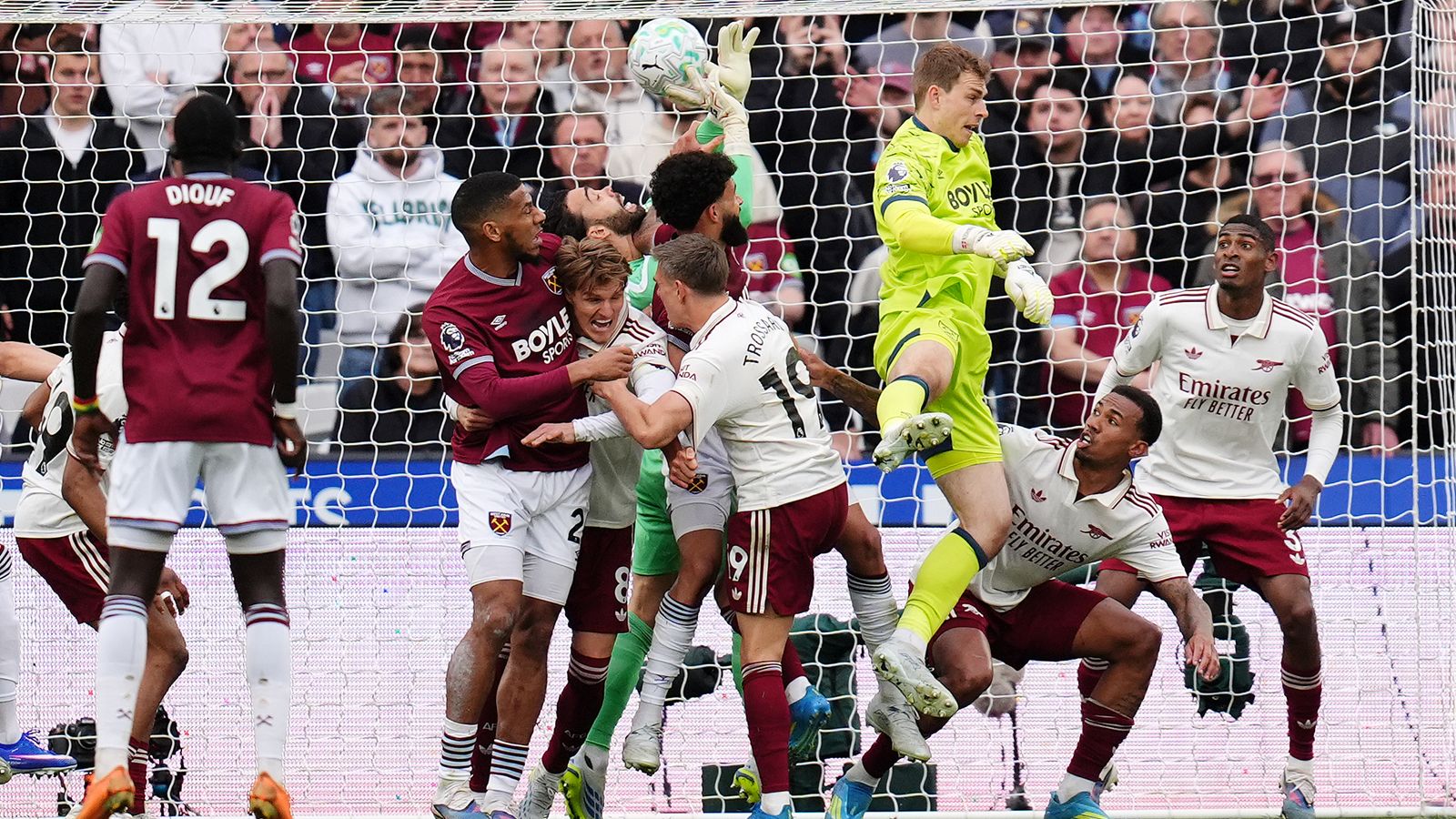
Spurs and West Ham are dragging each other into the abyss
2 weeks, 2 days ago
The final day bloodbath: Spurs and West Ham staring at the abyss
4 days, 16 hours ago
Tottenham are sending themselves to the Championship
2 weeks, 3 days ago