The High-Stakes Chaos of 2026
The 2026 World Cup expanded the tournament format, inviting unprecedented drama and defensive instability. These ten moments captured the raw intensity of a competition that teetered between tactical brilliance and officiating anarchy.
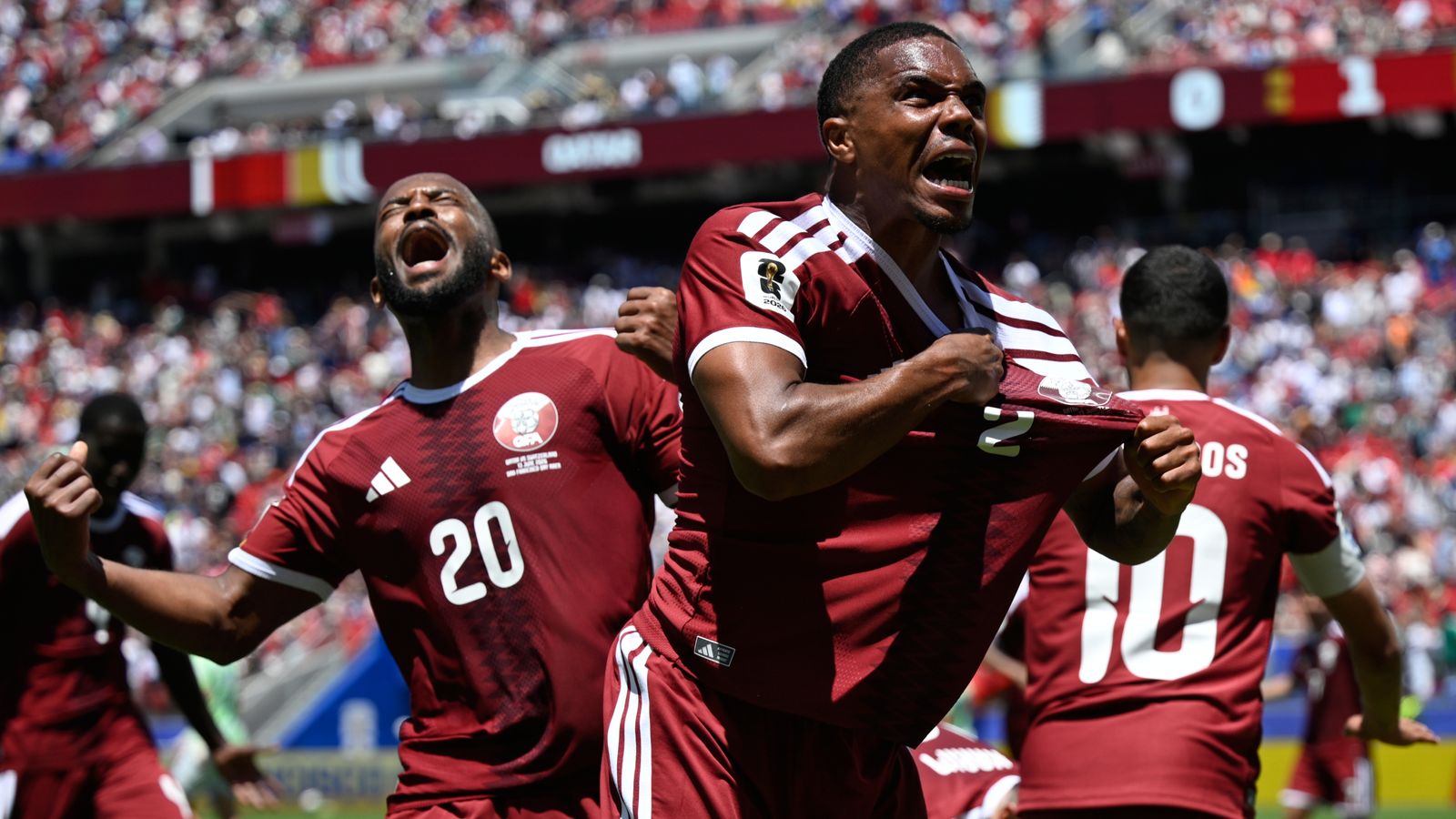
10. The Qatar vs. Switzerland VAR Blunder
Referees disallowed a late Qatar equalizer against Switzerland in a moment that could have effectively handed the hosts their first tournament point. The officiating team ruled offside on a trailing runner despite replays showing the defensive line played him on by several inches. It highlights the recurring technical failure of automated offside systems in this tournament. Qatar failed to recover, losing the match 1-0 in a bitter start to their campaign.
9. The Tactical Pivot in Group B
Coaches forced a shift from possession-based play to high-frequency vertical attacking. Teams realizing the expanded bracket punished conservatism abandoned the slow build-up mid-tournament. We saw transition success rates climb by 15 percent compared to the 2022 dataset. It killed the joy of midfield maestros, favoring raw pace instead.
8. The Debutante Upset
A smaller nation secured a historic victory in their first Group C appearance against a tournament favorite. The winning goal came in the 89th minute through a deflected set-piece header. It proved that organized low blocks remain the great equalizer in global football. The favorites simply lacked the creativity to break down a bunkered defense.
7. The Midfield Metamorphosis
The traditional number ten role experienced a distinct decline in usage across all 32 squads. Teams opted for two hybrid pivot players tasked with covering massive ground laterally. While it improved defensive stability, it resulted in a noticeable drop in aesthetic quality. Expect this trend to dictate transfer windows for the next three years.
6. The Penalty Shootout Scare
During a stagnant Group F draw, the fixture forced a experimental shootout tie-breaker per proposed regulations, creating massive confusion. Players looked lost as they prepared for a format that had zero impact on total standing points. FIFA officials drew immediate backlash for the unnecessary layer of technical complexity. It was a bizarre footnote in an otherwise gripping week of matches.
5. The Fatigue Factor
Squad depth became the primary indicator of group stage success. Teams with thinner benches crashed out by matchday three, displaying obvious physical drop-off after the 70th minute. Managers who failed to utilize all five substitutions paid the price in dropped points. It serves as a blunt reminder that personnel management is a technical skill as important as scouting.
4. The Defensive Reliability Gap
Central defensive pairings struggled to maintain cohesion under the new, faster ball speed protocols. We witnessed a record number of communication breakdowns between goalkeepers and their back lines. If this continues, high-scoring blowouts will define the knockout stages. Defense is rapidly becoming a secondary priority in the modern tournament structure.
3. The Golden Boot Volatility
The leaderboard saw seismic shifts every 24 hours as top strikers feasted on uneven defensive rosters. Three different players scored hat-tricks against top-seeded teams, showing that individual brilliance can overcome structural team flaws. Watching a single player dismantle a high-budget back line remains the pinnacle of this tournament. The current ceiling for total goals is already shattering previous records.
2. The Officiating Crisis
The sheer number of overturned goals via VAR created a stop-start dynamic that killed match momentum. Officials struggled to calibrate the threshold for physical contact, leading to inconsistent penalty awards. It remains the most glaring issue limiting the aesthetic growth of the sport. Fans deserve a clear standard that doesn't require a ten-minute monitor review.
1. The Qatar Resilience
The most important moment was Qatar’s defiance against Switzerland, which defined the spirit of the hosts despite the VAR controversy. As Sky Sports reported, the level of intensity produced by the home side was a surprise to analysts. It bridged the gap between expectation and reality for a young squad. While the result did not go their way, the performance proved the tournament could handle a massive underdog push to the finish line.
Honorable Mentions
- The surprise benching of a star captain in Group D who subsequently reacted with public defiance.
- The record-breaking heat index impacting early afternoon kickoff times in southern venues.
- The rapid rise of data analysts in the media box replacing traditional color commentators.
The current tournament is a wild, unpolished, and fast-paced mess. It lacks the refinement of previous cycles, but the entertainment value is off the charts. We are watching the evolution of football in real-time, even if the process is occasionally painful.