The old guard meets the new chaos
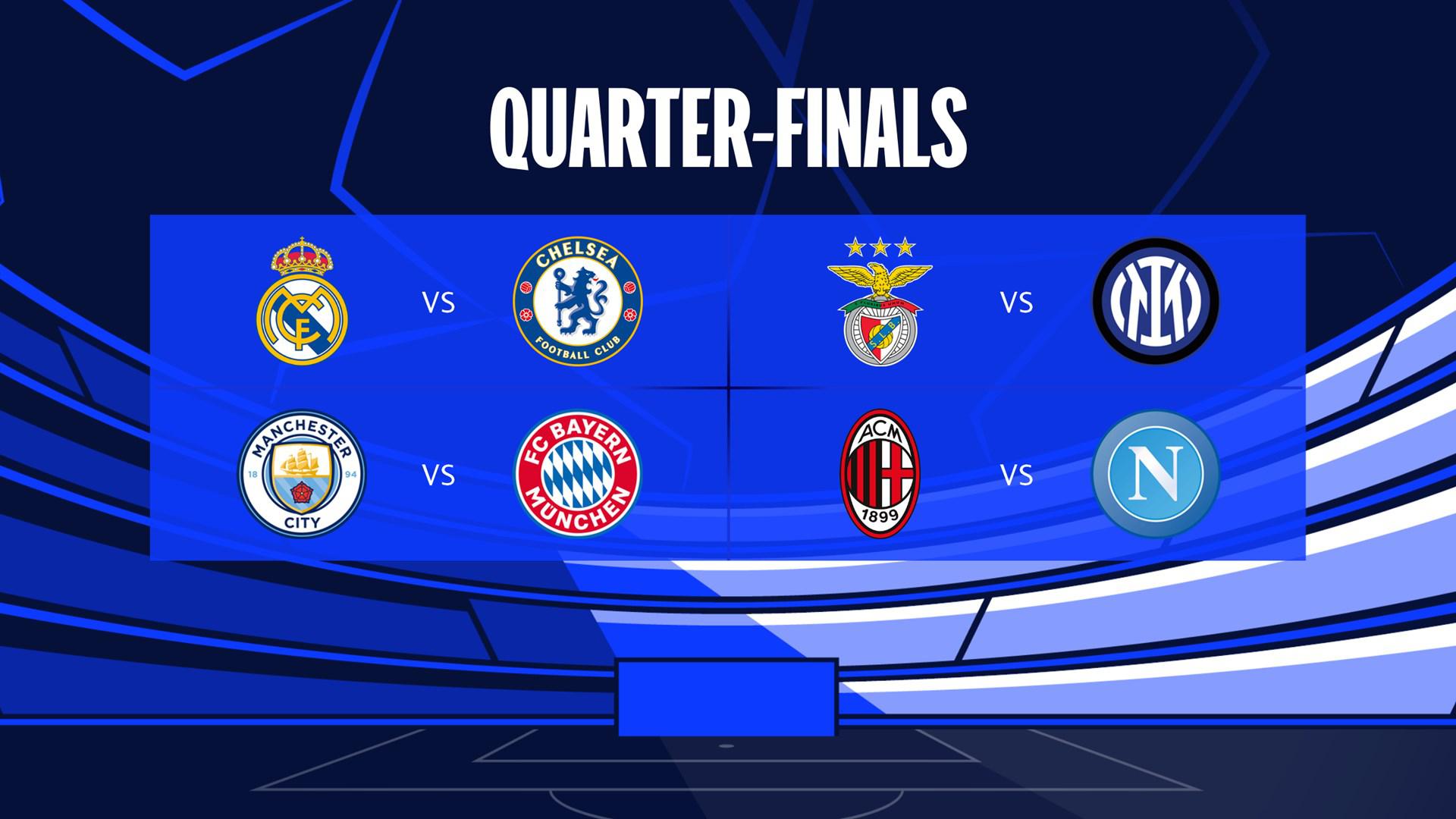
The 2026 Champions League quarter-final draw is finally here, and it feels like the competition’s soul is hanging in the balance. We have the usual suspects, but the path to the Munich final is littered with teams that look exhausted from the grind of the new format. Real Madrid and Bayern Munich are through, but neither looks like the juggernauts that defined the last decade. Instead, we are looking at a bracket where tactical fatigue has become the defining feature of the knockout rounds.
Seeing Manchester City back in the final eight is expected, yet their reliance on individual brilliance in the Round of 16 against Inter Milan was concerning. They scraped through by a 2-1 aggregate scoreline, lacking the suffocating control we saw during their treble year. If they cannot shore up the transition defense, a side like Bayer Leverkusen—who are playing arguably the most coherent football in Europe—will dismantle them in the press.
Leverkusen and the threat of the underdog
Xabi Alonso has built something that feels closer to the 2004 Porto miracle than a modern state-backed project. Their tactical flexibility is the story of this tournament. They do not just beat teams; they out-think them by overloading the half-spaces and forcing opponents into uncomfortable defensive shapes. It is the kind of aggressive, proactive play that makes the Champions League worth staying up for.
Meanwhile, the Premier League presence remains a point of contention. Arsenal are once again in the quarters, but after their collapse against Porto two years ago, the nerves are palpable among their traveling fans. They have the squad depth now, but they lack the cynicism required to close out high-stakes away legs. As The Guardian reported, the pressure on Mikel Arteta to deliver a European trophy is mounting to levels that might define his entire tenure.
The tactical rot in the knockout phase
We need to talk about the quality of the matches. While the drama is high, the level of play in the second legs has been sloppy. Players are logging minutes that border on the negligent. We saw three red cards in the last two nights of the round of 16, a clear indicator that fatigue is leading to bad decision-making. When legs go, technique follows, and the Champions League is suffering for it.
Paris Saint-Germain is the most glaring example of this decline. They possess the most expensive attacking unit in the world, yet they look like a collection of individuals waiting for a moment to happen. Watching them struggle to break down a low block is a tradition at this point. They are the definition of a team that relies on a moment of magic rather than a tactical structure. If they face a disciplined side like Atletico Madrid in the semi-finals, their lack of a cohesive plan will be their downfall.
The stakes for the heavyweights
- Real Madrid: Playing for the legacy of their current midfield core.
- Bayern Munich: The pressure of a home final is suffocating the squad.
- Manchester City: Proving they can win without a total tactical lockdown.
- Bayer Leverkusen: The chance to validate their project on the global stage.
The stakes for Real Madrid are particularly high. They are playing for the legacy of a midfield core that has carried them for years. If they fail to lift the trophy in Munich, the calls for a total structural reset will reach a fever pitch. The board is not known for patience, and in Madrid, as BBC Sport noted, second place is treated as a systemic failure.
Ultimately, this year's quarter-finals feel like a turning point. We are watching the transition from the era of super-clubs buying their way to the top to a period where tactical cohesion might actually win out. The tournament is wide open, but only if the remaining teams can find a way to manage the physical toll of a calendar that refuses to give them a breather. Whoever lifts the trophy in May will have earned it through pure endurance, even if the football isn't always pretty to watch.
Read Next
- Why Manchester City and Real Madrid are destined for a Munich collision
- UCL 2026 quarter-finals: The four teams surviving this bloodbath
- The 2026 Champions League semi-finals aren't about tactics, they're about pride
- Real Madrid and Manchester City are set to turn the 2026 final into a chess match
- ⚽ La Liga 2025-26 — Title Race Hub
- ⚡ UCL Quarter-Finals 2026 — Full Coverage Hub