Tactical stagnation in the San Siro
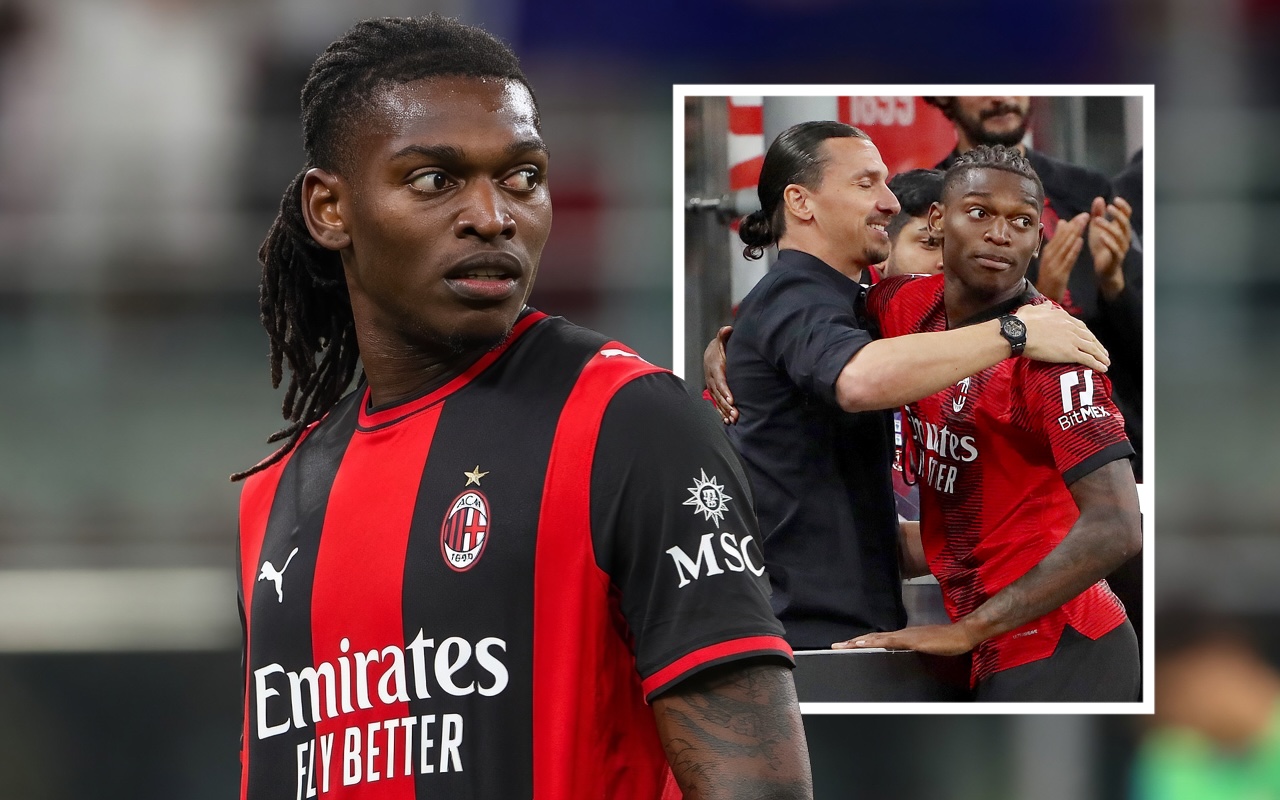
The first leg between AC Milan and Bayer Leverkusen was a masterclass in how to kill the joy of football. Xabi Alonso set his side up with a defensive block so deep it felt like they were playing in the parking lot. They were terrified of Rafael Leao, and for 90 minutes, they refused to engage in anything resembling an attacking transition.
Milan were just as guilty, recycling possession through their center-backs without ever penetrating the final third. The game ended in a 0-0 draw that felt like a personal insult to anyone who spent their Thursday night watching. It mirrored the worst of the 2010s era, where fear of losing outweighed the desire to win.
The chaos in London
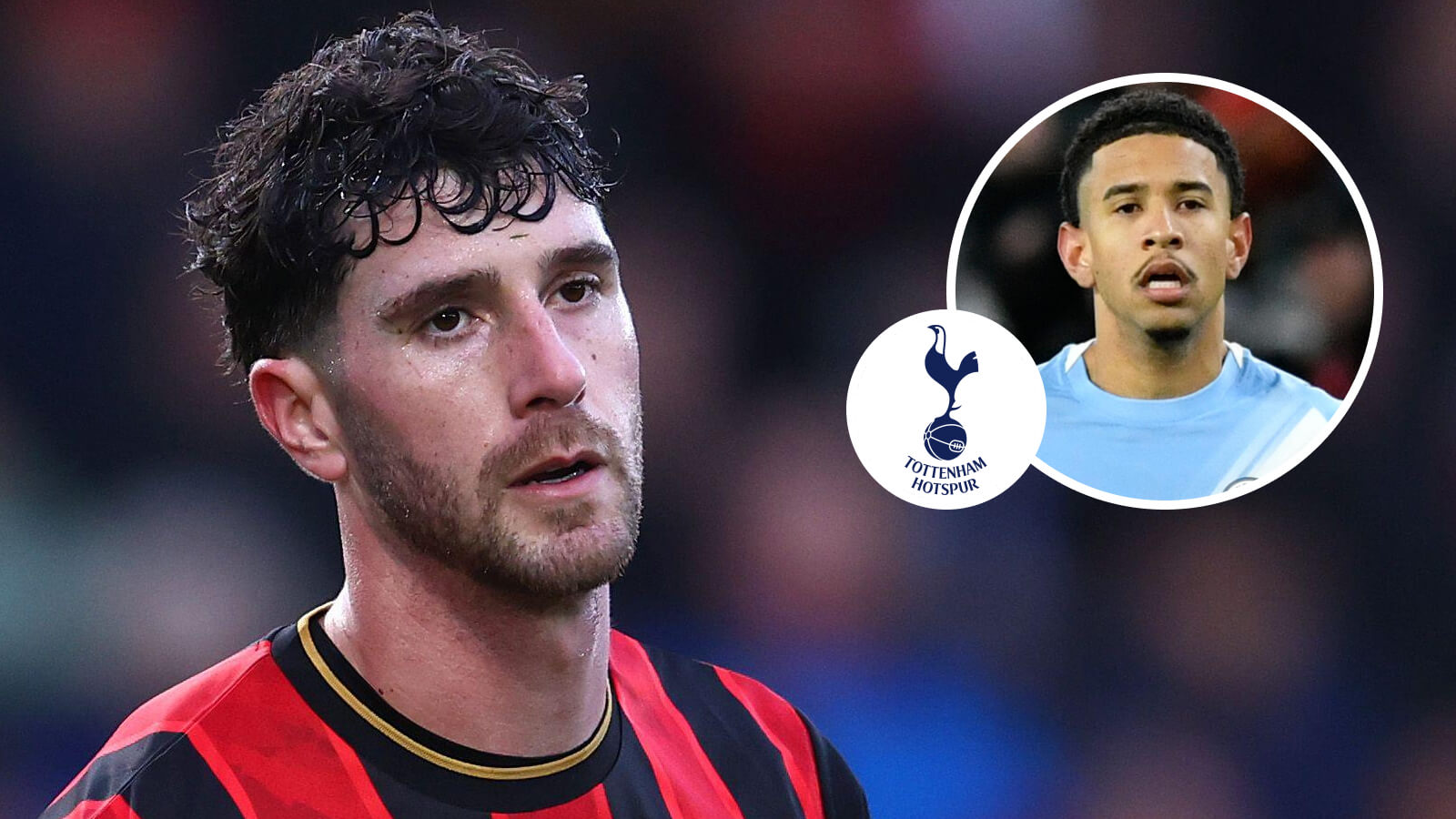
Tottenham against Benfica was the exact opposite, and that was almost worse. Ange Postecoglou threw his full-backs into the striker line, leaving Micky van de Ven to defend the entire halfway line by himself. It was suicide football, and Benfica sliced through them like a hot knife through butter during the first half.
The 4-2 scoreline in the first leg didn't even capture how wide open the pitch was. Benfica’s Orkun Kökçü dictated the tempo with ease, exploiting the massive gaps between the Spurs midfield pivot and the backline. It was refreshing to watch, but it reminded me of the defensive fragility that The Athletic noted earlier this season regarding Spurs’ inability to close out matches against competent counter-attacking sides.
The defensive collapse that defined the final
The second leg in Lisbon was the breaking point for the Tottenham project. Leading on aggregate, Spurs decided to sit back, a style they have clearly never practiced. They conceded three goals in twenty minutes because they didn't know whether to press or hold.
Benfica’s intensity was unmatched, but their tactical discipline was the real reason they advanced to the final. They forced Spurs into errors, specifically in the 68th minute when a misplaced pass from Yves Bissouma led directly to the decisive goal. It was a humiliating way to exit a competition that was supposed to be their trophy to lose.
Reflections on a broken format
We are watching a competition that has become a dumping ground for teams that can't handle the intensity of the Champions League. Leverkusen and Milan look like they are playing a different sport compared to the chaos we saw in the north London tie. The disparity between the tactical discipline of the German side and the erratic nature of the Premier League representatives is glaring.
As The Guardian reported, the officiating in the second leg of the Milan-Leverkusen match was equally suspect, with the referee missing two blatant handballs. It adds to the feeling that this year's Europa League is being decided by officiating errors and conservative coaching rather than actual quality. If this is the best the second-tier has to offer, we are in for a snoozefest of a final in Dublin.
Ultimately, these semi-finals proved that money doesn't buy tactical coherence. Leverkusen had the plan, Benfica had the heart, and everyone else just had high wages. Watching these matches felt like witnessing the death of the underdog narrative in European football.
Read Next
- Europa League second legs: Why the favorites are in real trouble
- Why AC Milan are the team to beat in this year's Europa League
- Why AC Milan are the team to beat in this Europa League semi-final
- The Europa League final is a tactical disaster waiting to happen
- ⚡ UEL Semi-Finals 2026 — Europa League Last 4 Hub (Apr 30 & May 7)
- ⚽ Bundesliga 2025-26 — Title Race Hub
- ⚡ UCL Semi-Finals 2026 — Full Coverage Hub
- 🏆 Europa League Final 2026 — Full Coverage Hub