The cost of misconduct in the FA Cup
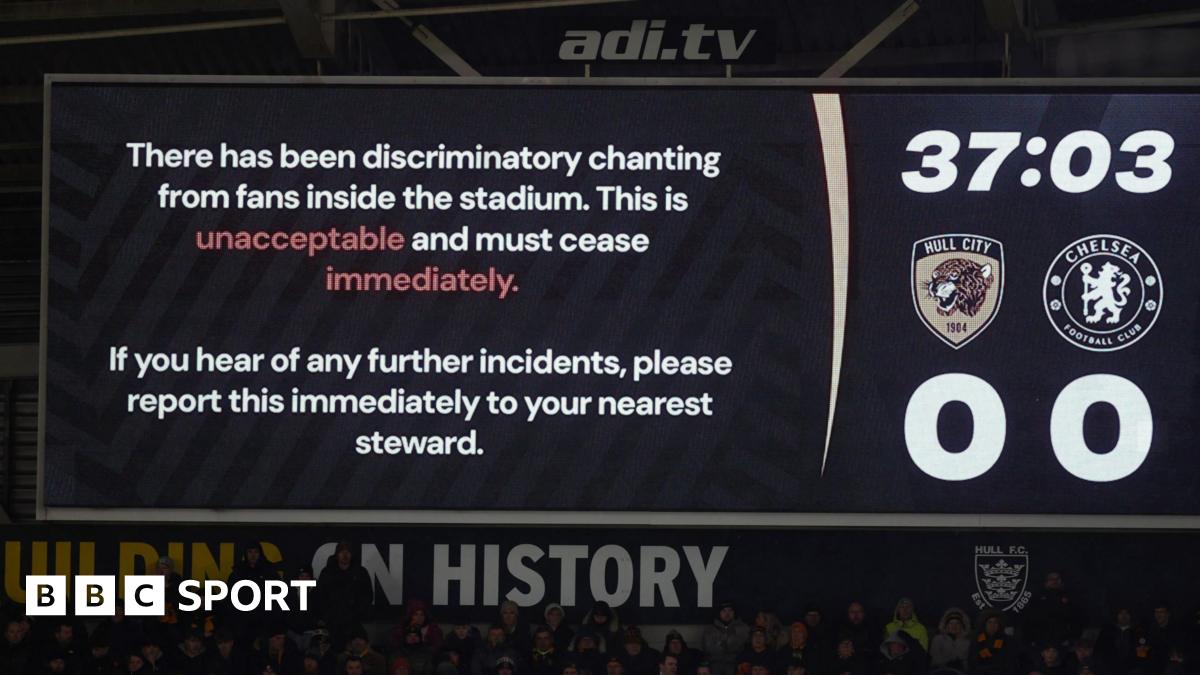
The Football Association has officially charged Hull City following reports of discriminatory chanting during their FA Cup exit against Chelsea. While the disciplinary process moves forward, the incident highlights a persistent friction point in domestic English football. The match, which saw the Championship side drop out of the tournament, has been overshadowed by events in the stands rather than the tactical battle on the pitch.
Quantifying the impact of off-field disruptions
In the 2025-26 season, the FA has ramped up its focus on stadium conduct, yet the frequency of these incidents suggests current deterrents are insufficient. This charge follows a broader trend where clubs are increasingly reliant on internal stewarding and third-party monitoring to mitigate fan behavior. For Hull City, the ramifications are not merely financial; they invite a scrutiny that diverts resources away from squad development.
Tactical reflection on the Chelsea fixture
Looking at the match itself, the gulf in quality was immediately apparent. Chelsea controlled 68% of possession and limited Hull to a mere 0.42 xG across 90 minutes. Tactical discipline on the pitch usually mirrors the environment of the club itself, and the chaos in the stands during this fixture seemed to correlate with a lack of composure in the final third. When professional clubs allow off-pitch conduct to dominate headlines, the focus required to execute high-pressing defensive structures often evaporates.
The FA faces a difficult balancing act as they process this charge. If the fines remain stagnant, there is no pressure for clubs to overhaul their fan outreach programs. Increasing the monetary penalties, however, potentially hampers the ability of smaller clubs to compete in an already unequal economic landscape. As discussed in recent analysis regarding the disciplinary reporting by the BBC, the governing body is attempting to reconcile the tradition of the competition with the standards of the modern game.
The data suggests that incidents of this nature are becoming more concentrated in high-profile cup matches where away allocations are expanded. This creates a volatility in crowd demographics that standard match-day operations are failing to manage. Without a systemic change in how these zones are monitored, the £50,000 to £100,000 fine range—typical for such breaches—serves as a cost of doing business rather than a corrective measure.
The looming shadow of the 2026 World Cup
As we approach the 2026 FIFA World Cup, which kicks off in just 14 days, the spotlight on English football governance is sharper than ever. International observers are watching to see if domestic leagues can maintain order during high-stakes fixtures. The Hull decision is a signal that the FA is not willing to let these instances slide, regardless of the relative standing of the clubs involved. The success of the tournament in less than two weeks rests on the ability of officials to maintain this consistency.
Ultimately, the disciplinary committee must decide if these charges are an anomaly or a symptom of a systemic breakdown. If the latter, we should expect a sharp increase in stadium bans and technology-assisted identifying procedures throughout the 2026-27 season. The game continues to grapple with these issues, and until the cost of transgression moves from a balance sheet entry to a structural impediment, the patterns are unlikely to shift.
Read Next
- Real Madrid are plotting a massive summer overhaul under Jose Mourinho
- Why Enzo Fernandez staying at Chelsea is the right move for everyone
- Chelsea transfer fire sale leaves Palmer and Jorgensen in limbo
- Top 10: Defining Moments of the 2025-2026 Football Campaign
- 🏆 FA Cup Final 2026 — May 16, Wembley