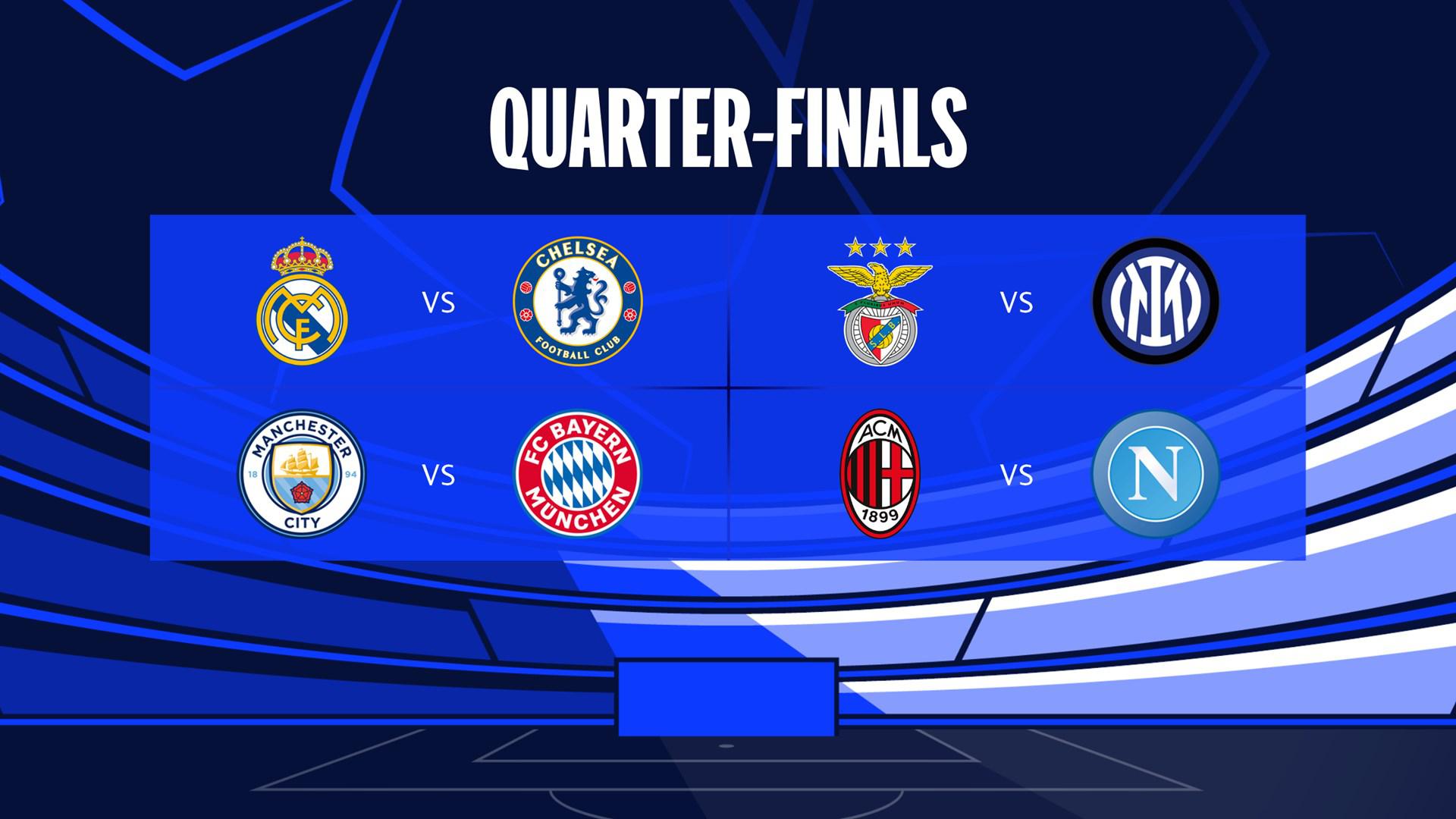
First legs used to be an exercise in severe risk management. If you look back at the historical data from the mid-2000s, the opening 90 minutes of a Champions League quarter-final was essentially a 90-minute staring contest. Between 2004 and 2010, the average quarter-final first leg produced just 1.83 goals. Teams operated on a simple, unbreakable mathematical premise. Do not concede an away goal, and keep the tie alive for the return fixture.
That era is completely dead. We no longer see cautious feeling-out processes. Instead, we get high-variance shootouts that defy traditional knockout logic. The modern first leg is no longer about survival. It is about establishing an insurmountable mathematical advantage before the second leg even begins.
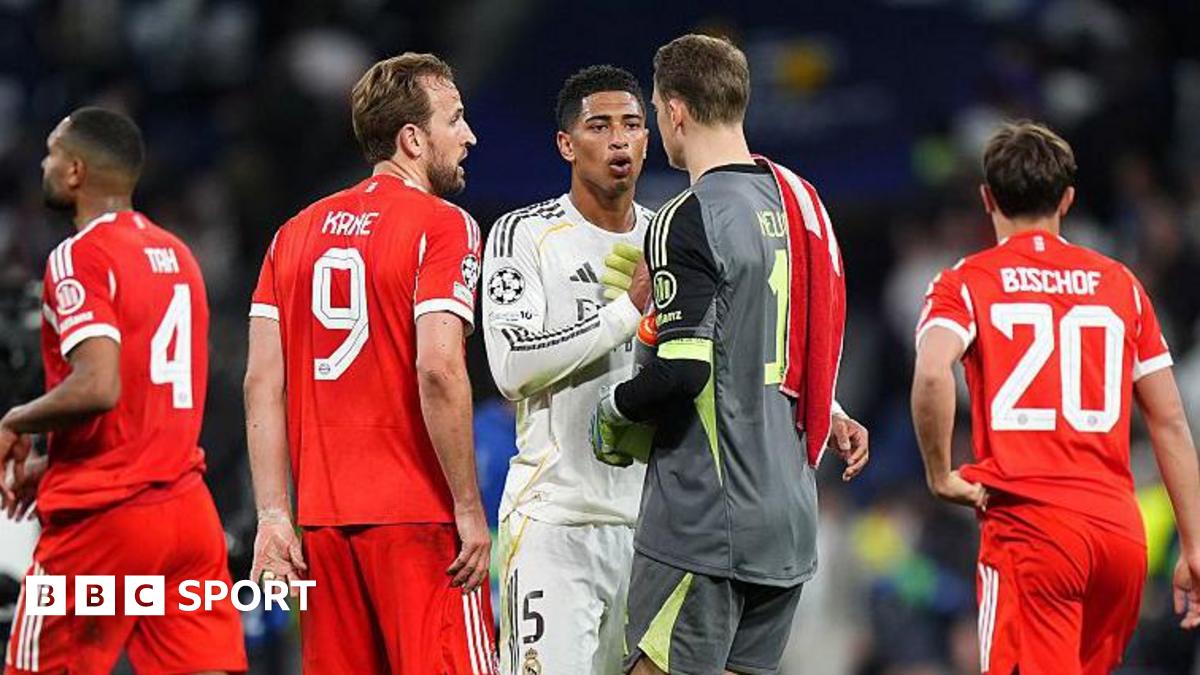
"There were stunning strikes and plenty of headlines - how well do you remember last week's Champions League quarter-final first-leg matches?" — BBC Sport
When the BBC quizzes fans about the chaos of last week, they are acknowledging a permanent shift in how elite European football is played. To understand exactly why this has happened, we have to look past the television coverage. We need to dig into the underlying numbers. The shift is not a random occurrence. It is a direct response to structural changes in the competition and the rapid evolution of pressing metrics.
The death of the away goals rule
The most significant turning point occurred ahead of the 2021-22 season when UEFA officially abolished the away goals rule. At the time, a loud contingent of traditionalists argued this would ruin the spectacle. The theory was obvious. Without the extra weight of an away goal, visiting teams would have no incentive to attack, leading to sterile, defensive fixtures.
The data tells the exact opposite story. In the five seasons prior to the rule change, home teams in the knockout stages averaged a defensive possession block that was 4.2 metres deeper than their standard domestic league average. They were terrified of the counter-attack. A single away goal counted double in the event of a draw, paralyzing their tactical setups.
Since the rule was scrapped, the average defensive line in a first-leg quarter-final has pushed up by 5.6 metres. Without that disproportionate punishment hanging over their heads, home teams are willing to commit an extra body forward in the build-up phase. They are no longer leaving their full-backs pinned to the halfway line as a safety net.
This structural shift has predictably ballooned the overall shot volume. We are now seeing an average of 28.4 total shots per game in quarter-final first legs over the last three seasons. That is a massive jump from the 22.1 average recorded in the mid-2010s. More importantly, the quality of these chances has shifted because the game has been physically stretched.
Pressing triggers and the transition tax
The defensive line's positioning only tells half the story. The real tactical shift happens the exact moment possession is lost. The modern elite coach does not retreat into a compact low block. Instead, they trigger an immediate, aggressive counter-press aimed at winning the ball back within five seconds of a turnover.
The numbers back this up emphatically. The average PPDA (Passes Allowed Per Defensive Action) for a Champions League quarter-finalist has dropped from 13.4 in 2015 to just 9.8 this season. Teams are pressing higher, faster, and committing more bodies to the initial wave of pressure.
This creates a fascinating tactical paradox. By trying to aggressively win the ball back in the final third, teams are leaving massive, easily exploitable spaces in transition. When a high press is successfully bypassed—usually via a clipped ball to a dropping centre-forward or a quick switch of play—it almost always results in a high-quality chance.
The expected goals (xG) per shot in these specific transition moments sits at 0.14, compared to a miserable 0.08 against a set defensive structure. I call this the transition tax. You pay it when your counter-press fails. In the quarter-finals, against the absolute best ball-playing centre-backs in the world, the press is failing more often than domestic numbers would suggest.
The inverted full-back overload
We also have to factor in the tactical obsession with the inverted full-back. Five years ago, a full-back's primary job in a quarter-final was to overlap and provide width. Today, they are stepping into the midfield pivot. They create a 3-2 or 3-2-2-3 build-up shape designed specifically to overload the central zones.
Statistically, this has drastically altered where the ball is lost. Because teams are cramming five or six players into the middle third of the pitch to control possession, turnovers in these areas are instantly fatal. There is no wide safety valve.
When an inverted full-back loses the ball, the defensive structure is completely compromised. The traditional wide areas are left totally vacant. Opposing wingers are finding themselves with 40 yards of empty grass to sprint into, resulting in a severe spike in high-speed, direct counter-attacks. This structural vulnerability is directly contributing to the chaotic scorelines.
The physical toll of the modern press
We cannot ignore the pure physical exertion required to maintain this style of play into April. Modern tracking data shows that the average distance covered at high-intensity sprinting speeds (above 25 km/h) has increased by 14% in Champions League knockout fixtures since 2019. Players are not just running more; they are sprinting more frequently and recovering faster.
This physical demand directly impacts late-game defensive execution. When fatigue sets in around the 70th minute, the distance between the midfield pivot and the defensive line naturally stretches. A gap that was tightly marshalled at 12 yards in the first half routinely expands to 20 yards in the final quarter of the match. This late-game fatigue creates a massive pocket of space in Zone 14—the area just outside the penalty box. It is precisely why we see so many of those low-xG long shots being attempted late in the game.
The illusion of the stunning strike
However, there is a glaring flaw in how we analyze these matches. The public narrative almost always focuses on the spectacular. The stunning strikes highlighted by the media are often framed as the defining moments of the round.
From a statistical standpoint, relying on stunning strikes is a terrible, unsustainable strategy. We are currently witnessing a disturbing trend of teams drastically overperforming their expected goals through long-range variance.
In recent quarter-finals, nearly 30% of goals have come from outside the penalty area. This is staggering when you consider those specific shots carry an average xG of just 0.03. This is mathematically unsustainable over a long sample size. A team might score a 30-yard screamer in the first leg. But if they consistently rely on a shot that goes in three times out of a hundred, they will eventually be eliminated.
The very best possession-heavy sides do not rely on this kind of variance. They rely on cut-backs, tap-ins, and high-probability passing sequences that break the opponent down systematically. The reliance on individual brilliance from distance is often a mask for a dysfunctional attacking structure.
This is a glaring tactical failure masquerading as a highlight reel. When a manager praises a 25-yard top-corner finish in the post-match press conference, they are actively ignoring a major red flag. Their team likely failed to create a single big chance inside the 18-yard box for the previous 70 minutes. That is not elite chance creation. That is luck.
The goalkeeper deficit
Another hidden factor driving this goalscoring surge is a noticeable dip in elite shot-stopping. We have spent the last decade demanding that our goalkeepers act as auxiliary centre-backs. We want them to sweep 30 yards off their line. We expect them to break lines with their passing and dictate the tempo of the build-up.
The trade-off is that pure shot-stopping metrics have stagnated. Across the remaining eight teams in the competition, the collective Post-Shot Expected Goals minus Goals Allowed (PSxG+/-) is practically flat. Nobody is consistently saving shots they are not mathematically expected to save.
When you combine a higher volume of transition chances, a reliance on high-variance long shots that occasionally fly in, and goalkeepers who are selected primarily for their footwork rather than their reflexes, you get pure chaos. The math is simply overpowering the defences.
What the numbers mean for tonight
This brings us directly to tonight's second legs. Today is April 14, 2026, and the tactical math is about to shift yet again. With the ties wide open and the first-leg chaos in the rearview mirror, the calculus changes entirely for the managers involved.
Teams that heavily overperformed their xG last week will almost certainly regress to the mean tonight. You cannot bank on another 0.03 xG shot flying into the top corner when the pressure mounts. The managers who survive tonight will be the ones who can effectively manage the massive spaces in transition.
They will need to drop their PPDA just enough to protect the central channels. They must do this without completely sacrificing their high-pressing triggers. It requires a delicate, almost impossible balance. Push too high, and you pay the transition tax. Sit too deep, and you invite 20 shots a game from the edge of your own box.
The numbers do not lie, even if the television highlight packages try to convince you otherwise. Expect a regression to a more controlled, possession-oriented approach tonight. The stunning strikes are fun for a quiz, but sustainable chance creation and ruthless transition defense are what actually win the European Cup. The data demands nothing less.
Read Next
- Champions League fans are officially losing their minds ahead of Leg 2
- Van Dijk to PSG? Analyzing the Transfer Rumour That Isn't One
- Arsenal's Champions League run exposes a massive need for Marc Guehi
- Milan are sleepwalking into a European disaster tonight
- ⚡ UCL Quarter-Finals 2026 — Full Coverage Hub