The internet lost its collective mind
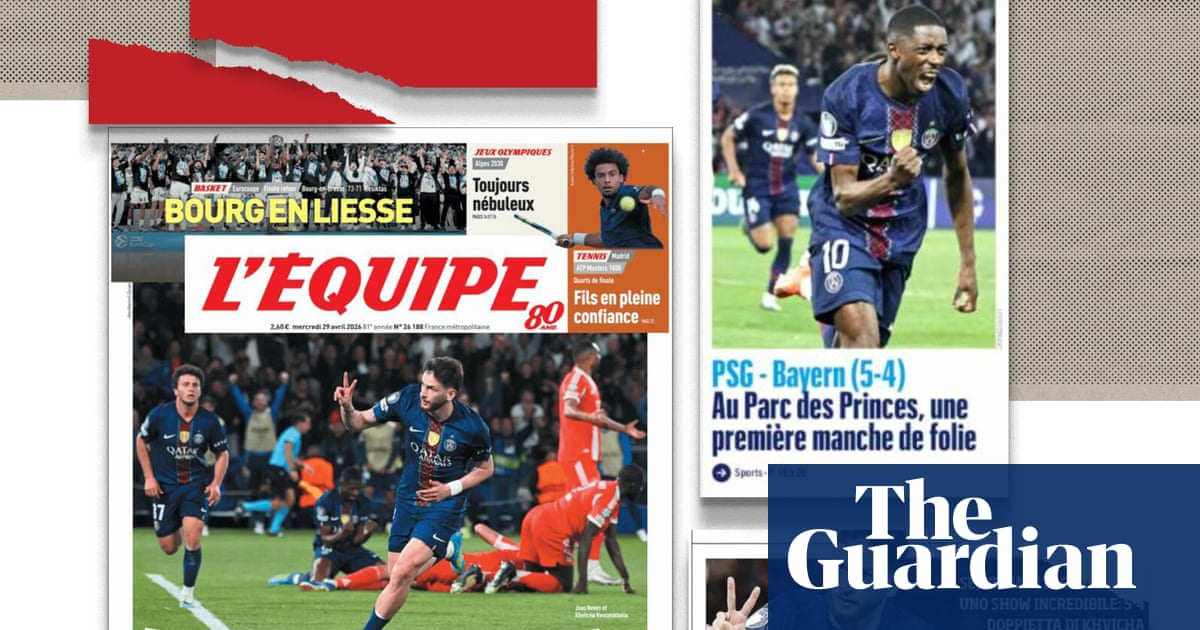
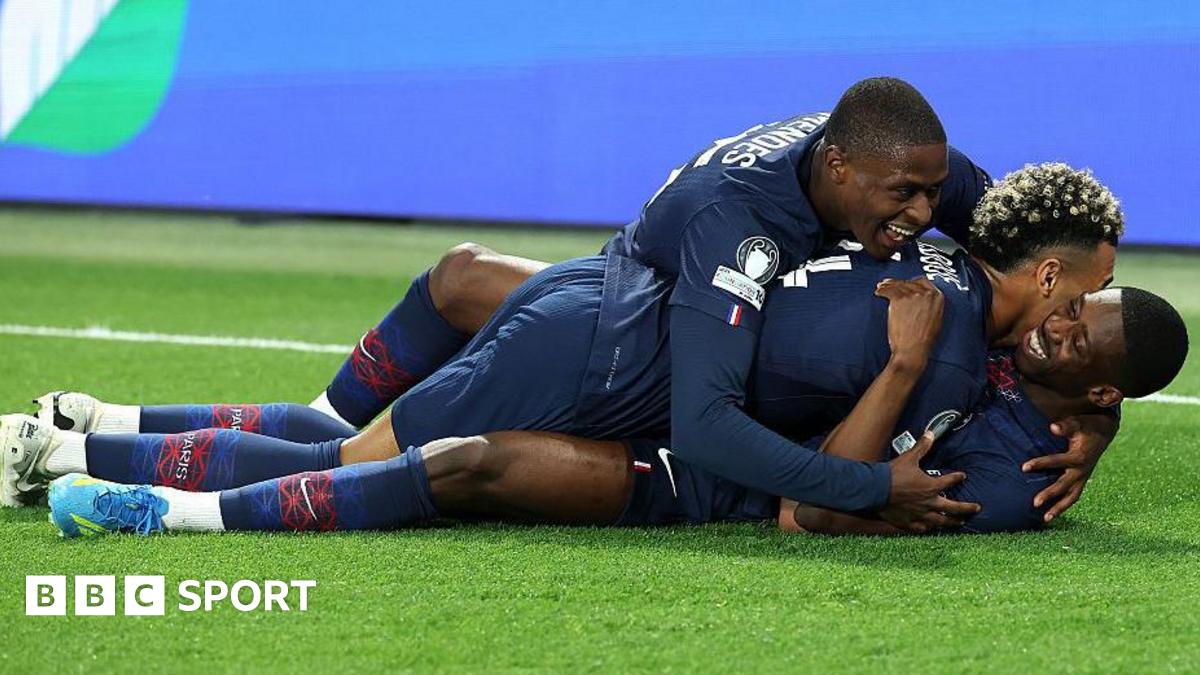
It happened again. The Guardian dropped a "greatest games" list this morning, and suddenly every fan with a keyboard turned into a football historian. The trigger this time? That absolute fever dream of a match where PSG edged Bayern Munich.
The publication went ahead and called the 5-4 thriller:
arguably the wildest match in Champions League history
Naturally, the timeline exploded. Half of Twitter is screaming that it is the peak of the sport. The other half is furious that anyone would compare a defensive disasterclass to the tactical masterclasses of the past.
The debate has completely derailed the usual pre-match build-up for next week's European fixtures. I spent the morning scrolling through the fallout. The reactions are a perfect snapshot of modern football fandom. We have recency bias, old-school snobbery, and a whole lot of tactical shouting.
The recency bias brigade
The loudest faction right now is the youth. The FIFA generation. The fans who think anything broadcast in standard definition simply does not count. For them, the PSG-Bayern shootout is the absolute holy grail. They are flooding the forums with expected goals models and clips of the transitions.
The general consensus from this camp is that modern athletes are just too fast for the older games to compete. They point to the sheer athletic output required to score nine goals in a high-stakes European knockout tie. The pace was undeniable. The transitions were brutal. The fact that neither midfield seemed interested in tracking back just added to the fun.
And of course, they bring up the Messi World Cup final. The article rightly pointed to it, calling the Qatar showdown "surely the finest in the tournament’s 96-year history." The modernists use this as their anchor. They bring up the extra-time tension. They point out how the momentum swung violently back and forth.
If that final was the peak of international football, then surely this shootout is the peak of club football. They dismiss the older matches as slow and rigid. If you bring up a game from the 1970s, they just spam you with crying-laughing emojis. They will tell you the defenders back then looked like they were running in wet cement.
The old guard wakes up
Then you have the purists. The traditionalists. The fans who immediately started typing out essays about the Mighty Magyars the second they saw the headline. These are the guys who watch grainy black-and-white footage of Hungary dismantling England in 1953 and shed a single tear.
Their reaction to the hype has been violently allergic. To them, a nine-goal game is not a classic. It is a severe indictment of modern coaching. I spent an hour reading a thread on a popular tactics board where a user aggressively dismantled Bayern's high line.
They argued that giving up four goals away from home in Europe should be grounds for immediate managerial dismissal. It should not result in historical praise. They argue that true greatness requires balance. A hard-fought 1-0 or a 2-1 where two elite defensive units go head-to-head is real football.
The traditionalists view the inclusion of the Magyars in the list as the only redeeming factor. They see the 1950s Hungarian team as the inventors of the beautiful game. Ferenc Puskás and Sándor Kocsis were tearing defenses apart before most of these Twitter users were even born.
To put a sloppy shootout in the same breath as those legends is an insult to the sport. They demand to see structural integrity. They want a midfield that actually controls the tempo, rather than just bypassing it entirely.
The tactical skeptics are furious
This brings us to the most cynical group of fans. These are the defensive hardliners. These are the people who watch a massive scoreline and only feel disgust. Their primary argument is incredibly simple.
You cannot have a truly great game if both teams look like they forgot how to tackle. The reactions from this camp are absolutely ruthless today. They are posting compilations of missed interceptions and blown offside traps. They are isolating clips of goalkeepers looking entirely lost.
The overriding sentiment is that a classic match requires greatness on both sides of the ball. When a match ends with nine total goals, someone has failed at their job. Multiple people have failed at their jobs. You don't concede that many times and get called a genius.
I saw one post entirely dedicated to dissecting the spacing between the center-backs. The user practically wrote a master's thesis on how a proper defensive pivot would have prevented at least three of the goals. They aren't wrong. If a team simply drops deep and stays compact, half of that drama vanishes instantly.
This is where I have to agree with the skeptics. The publication might be pushing the narrative that entertainment equals greatness. But that is a highly flawed metric. Was the match wildly entertaining? Absolutely. It was pure box office. I could not look away for a single second.
But calling it the greatest? That completely ignores the glaring tactical errors that allowed it to happen in the first place. It was a beautiful mess, but it was still a mess. A true classic requires a level of defensive resistance that was entirely absent on that pitch.
The engagement farming industrial complex
Part of the frustration on the forums is directed straight at the sports media machine. Users are acutely aware of how these debates are manufactured. When a publication drops a headline featuring Messi’s magnificence alongside the Mighty Magyars, they are casting a massive net.
They want the old fans furious in the comments. They want the young fans quoting the tweet with highlight reels. The strategy worked flawlessly. But it also exhausts the hardcore community. The dedicated fans on Reddit are tired of having to defend basic tactical concepts against people who only watch short highlight clips.
They argue that a truly great match shouldn't need a clickbait headline to justify its status. If a game is legendary, the community will elevate it naturally. Forcing a recent, defensively flawed match into the pantheon feels incredibly cheap to the diehards. They see it as disrespecting the rich history of the European cup.
We have zero perspective
So, who wins the debate? As always, nobody wins. The internet remains a fractured mess of competing agendas. But the sheer volume of the argument proves one thing.
Football fans are desperate for narrative. We want everything to be the biggest. We want everything to be the best. We want everything to be historic. We completely lack perspective.
As we sit here in late April 2026, maybe we should stop trying to rank everything instantly. The UCL Semi-Final second legs are just six days away on May 5th. The expanded World Cup kicks off in just over a month. We have plenty of actual football to worry about.
Let the massive shootout breathe. Let's see if anyone even remembers the tactical specifics in a year. They will probably just remember the final score. My bet? It fades into the background.
It will be remembered fondly as a wild night. But it will be quietly scrubbed from the serious tactical pantheon. Until the next team forgets how to defend and concedes five goals. Then we will start this ridiculous cycle all over again.
Read Next
- Arsenal are balancing on a knife-edge as the season defines their identity
- Everyone is losing their minds over that PSG and Bayern chaos
- Simeone is playing mind games while Arsenal plot a Napoli reunion
- On This Day in Football: April 29
- ⚽ Ligue 1 2025-26 — PSG, Monaco & the Title Race Hub
- ⭐ UCL 2026 — Champions League Quarter-Finals Hub