The dark side of set-piece physicality
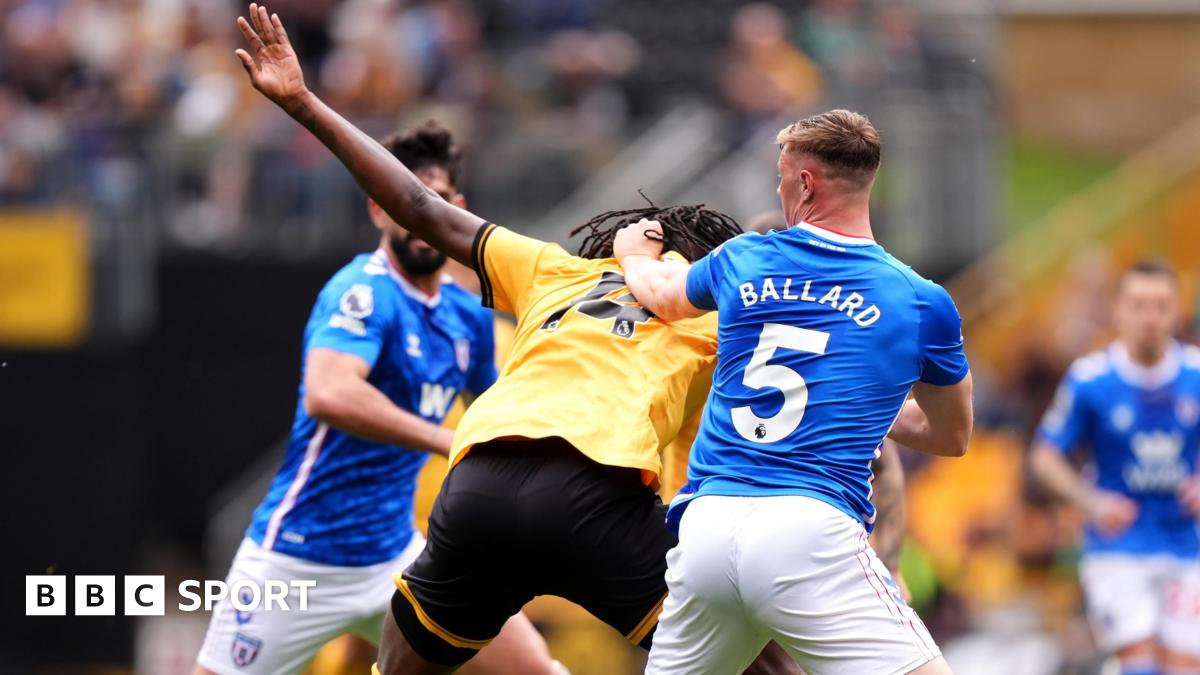
Hair-pulling in the Premier League has evolved from a rare frustration into a tactical nuisance. Whether it is an attempt to slow a counter-attack or a cynical maneuver during a corner-kick scramble, the act poses a genuine risk to players with longer hairstyles. Today, April 14, 2026, we look at the frequency of these incidents and why the officiating standards remain inconsistent.
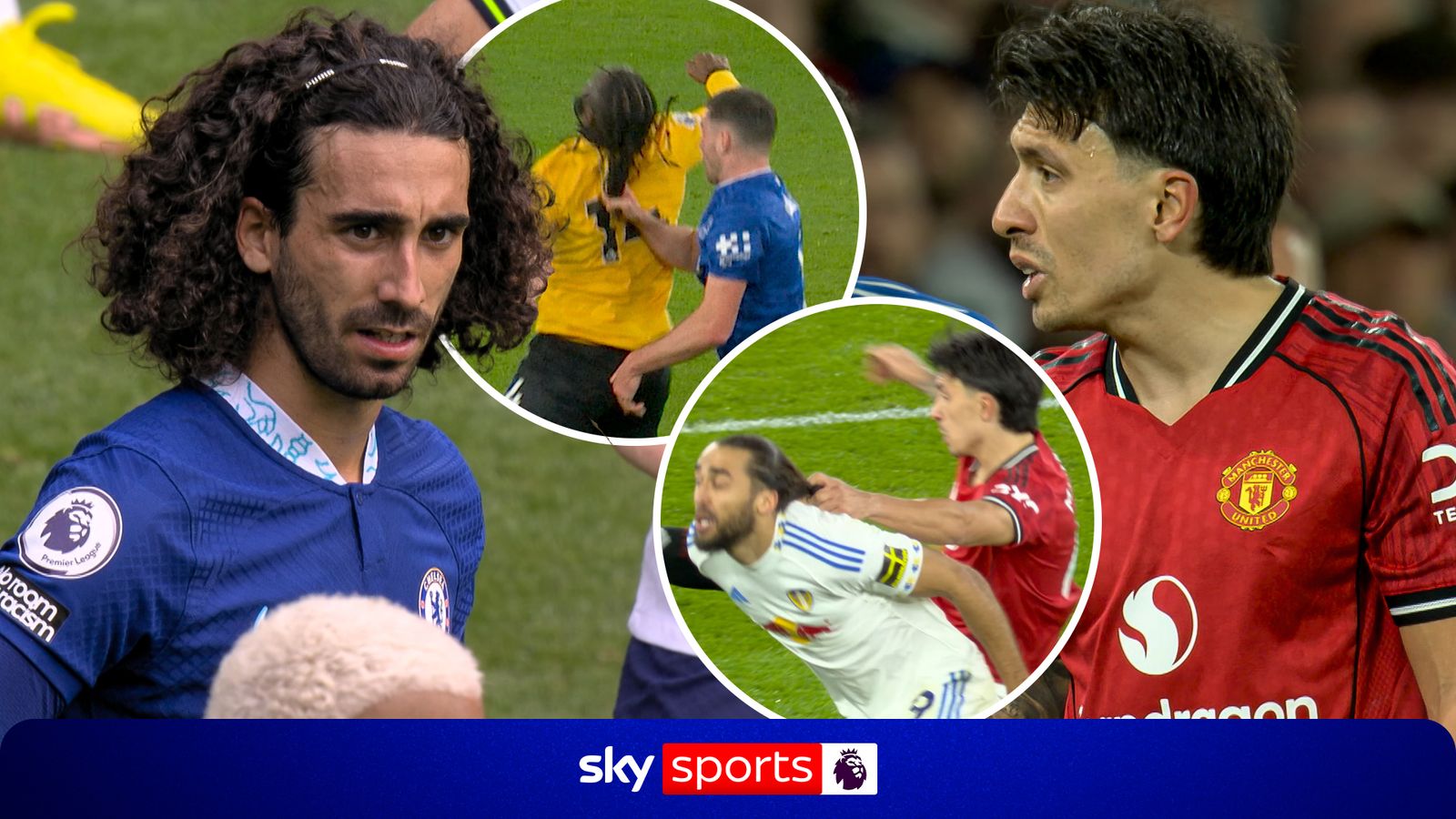
Referees are caught in a gray area. While violent conduct is clearly defined in the rulebook, hair-pulling often falls under the banner of unsporting behavior or petulance. This leaves the severity of the punishment entirely dependent on individual judgment rather than universal application. Recent archival analysis shows that even when visual evidence confirms the grab, the transition from yellow to red card is far from guaranteed.
Tactical implications of physical aggression
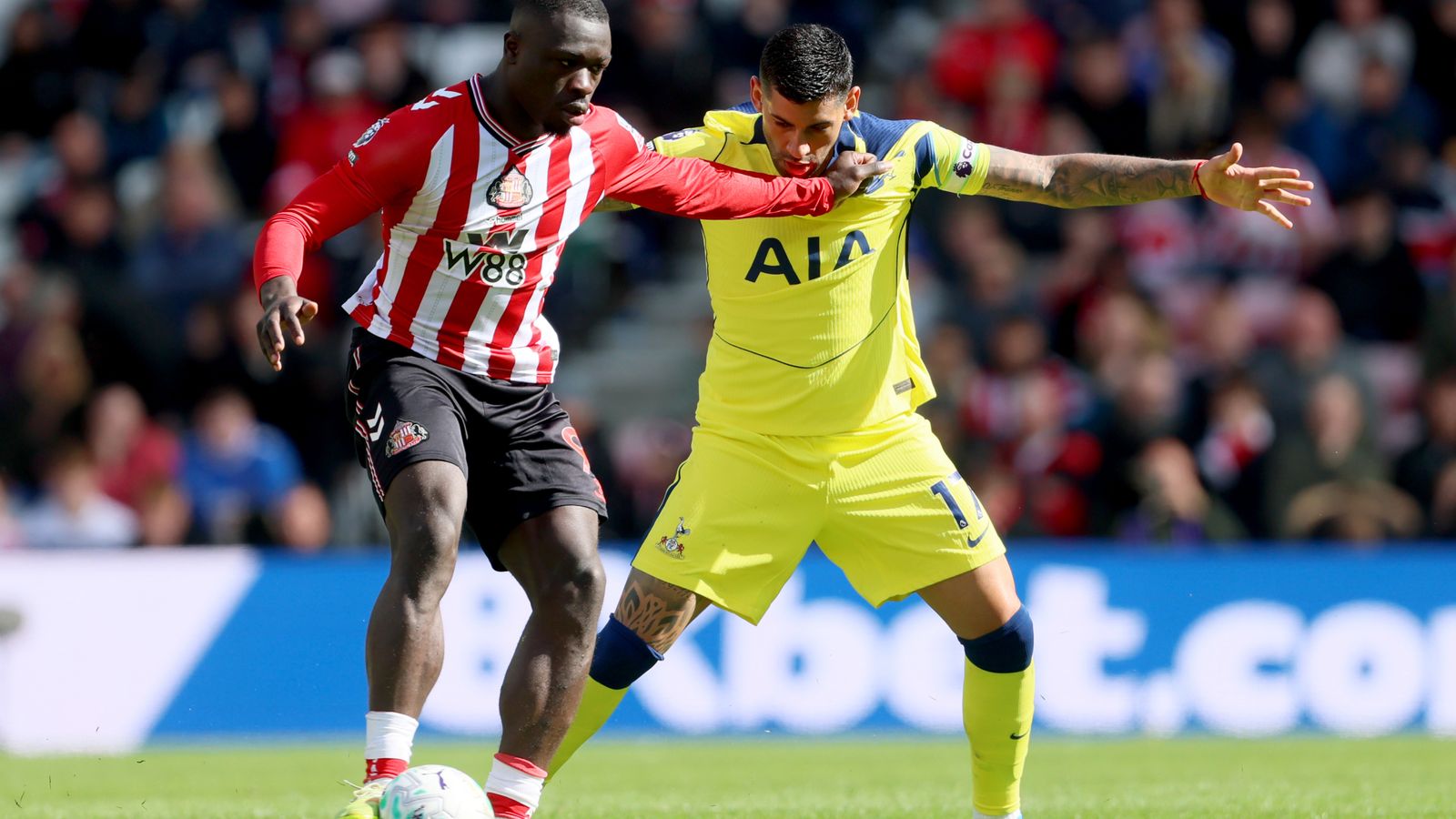
Players are increasingly aware that grabbing hair is a low-risk, high-reward tactic. If the referee misses it, the attacker is disrupted at a crucial moment. If caught, it rarely results in an immediate dismissal unless it culminates in a secondary physical confrontation. This creates a strategic advantage that favors the cynical defender over the skillful dribbler.
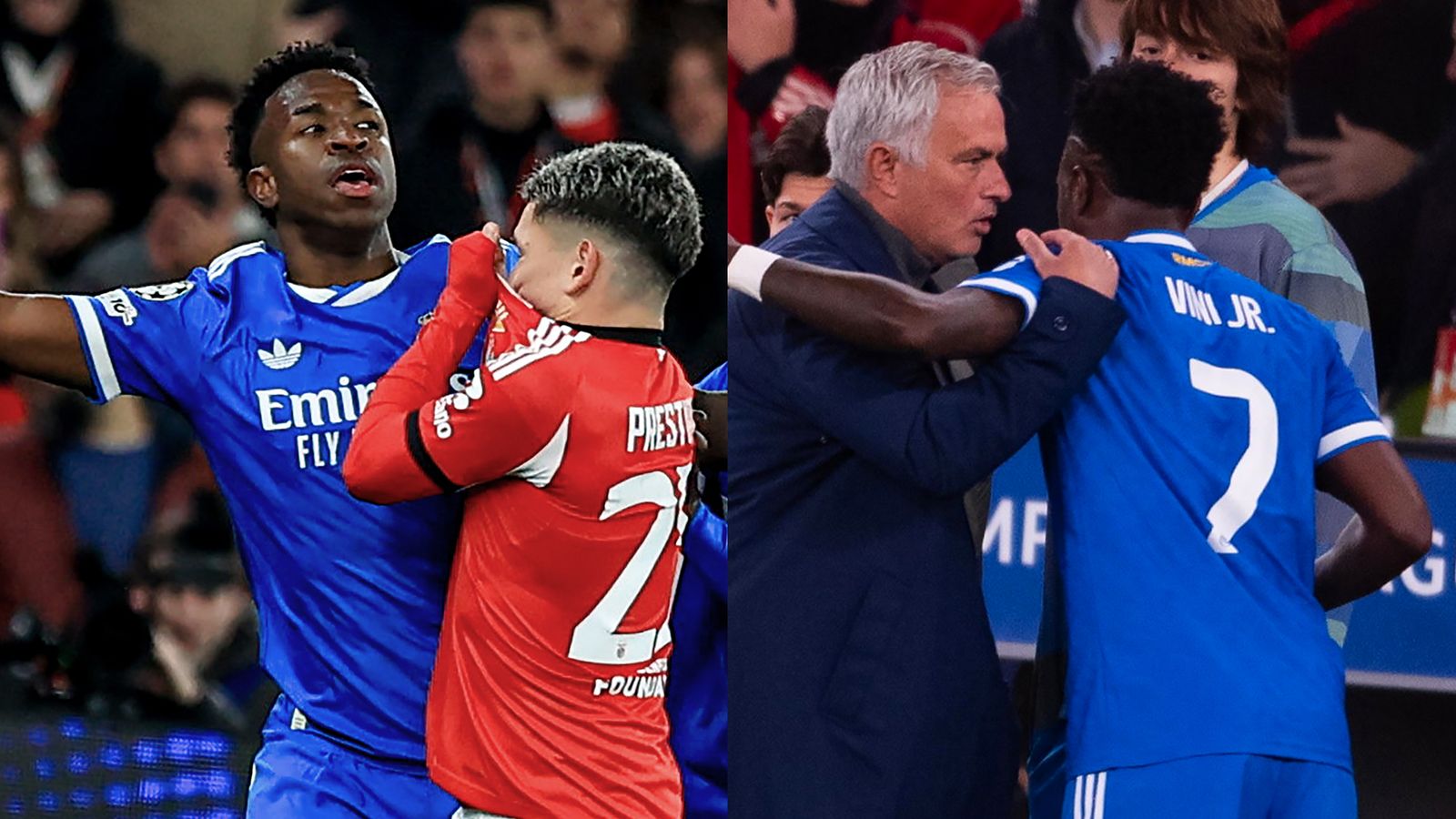
We have seen six high-profile instances this season where defenders escaped with a mere talking-to despite clear physical contact with an opponent’s head. This lack of consequence emboldens actors who view the pitch as a place to test the limits of what they can get away with. Coaches are essentially being incentivized to instruct their backlines to keep their hands busy, even if that means risking a technical foul.
The medical danger hiding in the archives
Medical departments are raising concerns about the potential for cervical strain during these interactions. A player anchored by their hair while moving at full speed creates significant torque on the neck muscles. While most incidents result in nothing more than a bruised ego, the mechanical force generated in a Premier League sprint could easily lead to an acute hyper-extension injury.
Historically, football governing bodies have been slow to address nuisance offenses. We are looking at a scenario where a high-profile player could eventually hit the deck awkwardly, suffering a long-term neck issue stemming from what started as a petty grab. The medical community is effectively waiting for a disaster before forcing a change in the interpretation of the laws.
An inconsistent standard of justice
The officiating inconsistency makes it impossible for athletes to calibrate their own play. If one referee deems a handful of hair worth a card in the 20th minute, but another ignores a full-force yank in a 90th-minute decider, the rulebook essentially loses its authority. Fans and players alike are losing patience with the arbitrary nature of these calls.
This is a systematic failure of training for VAR officials as much as it is for the referee on the field. When video assistants have the capability to zoom in on every angle, there is no excuse for letting blatant grabs go unpunished. The technology is present, but the willingness to use it to clean up the game at a granular level is non-existent.
Future consequences for the game
Unless the league issues a directive to treat hair-pulling as violent conduct, we should expect more chaos as we approach the season finale. There is a genuine threat that a crucial quarter-final or semi-final match, such as the ones happening today, could be overshadowed by officials failing to clamp down on preventable aggression. If the rules are not enforced, the culture of the league suffers.
Managers will continue to exploit the hesitation of referees. Tactical setups are increasingly focused on interrupting play by any means necessary, and pulling, tugging, and grabbing are part of that ugly arsenal. The reality is that until a star player exits a match on a stretcher because of a neck injury caused by a hair-pull, the status quo will remain unchanged.