Group D is a slow motion train wreck
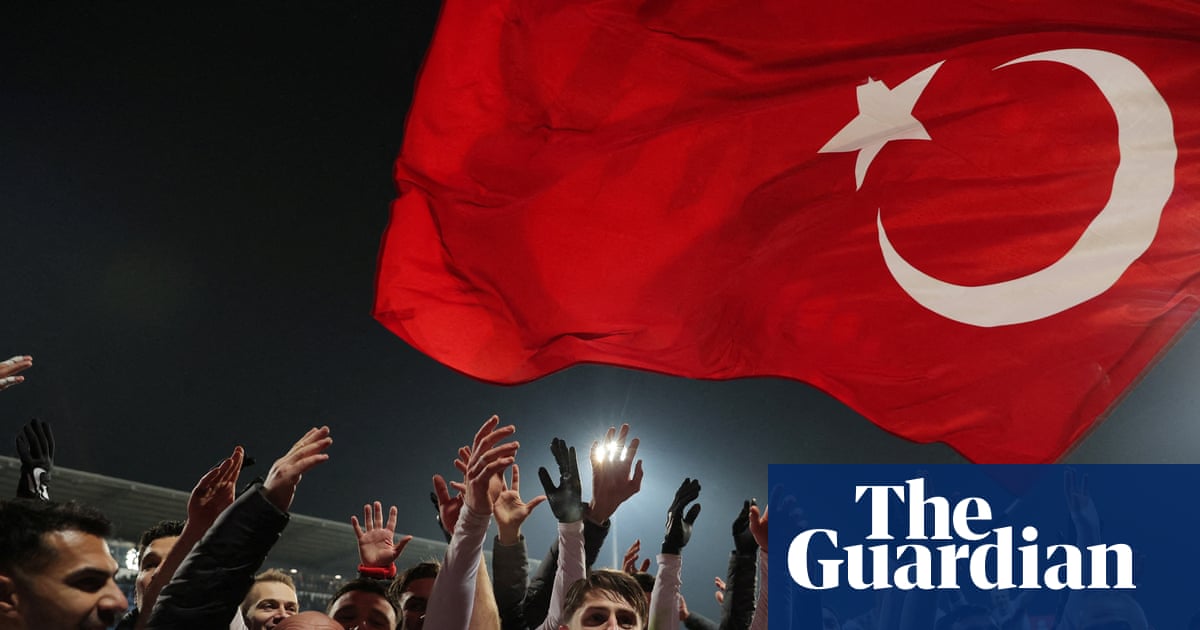
April first arrives and the football gods have decided to play a particularly cruel prank on Australia. The final slot in Group D of the 2026 World Cup has officially been claimed by Turkey, effectively turning an already difficult path into a genuine nightmare. Anyone thinking this tournament was going to be a fun little excursion through North America needs to wake up and smell the stale beer at the pub.
We are talking about a group containing the United States, Paraguay, and now a Turkish side that plays with the intensity of a pack of wolves. Australia needed a miracle to navigate this cluster before the final pot was settled. Now, they are looking at a path that requires tactical perfection across three matches against teams that are stylistically hell for them.
The Turkish delight that nobody asked for
Adding Turkey to this mix is not just a statistical difficulty spike; it is a cultural and physical mismatch. They possess a midfield engine room that loves to scrap, press, and slow the tempo until the opposition starts to lose their collective mind. This is not the Brazil of 1970 we are prepping against, but they are disciplined enough to suffocate a side looking to play an open game.
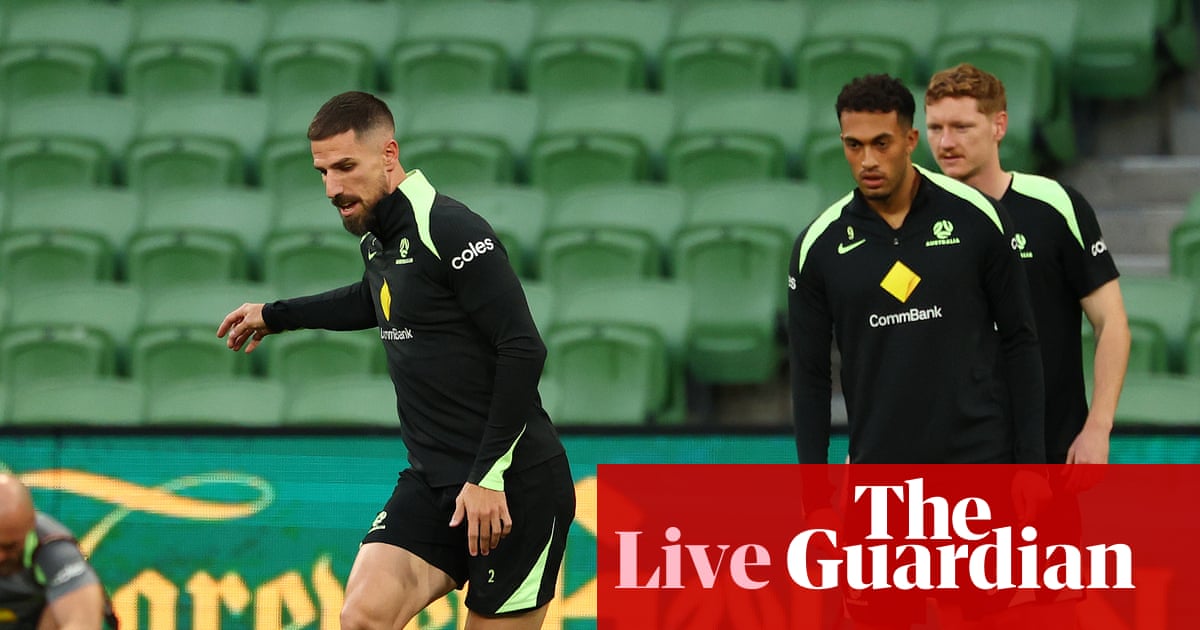
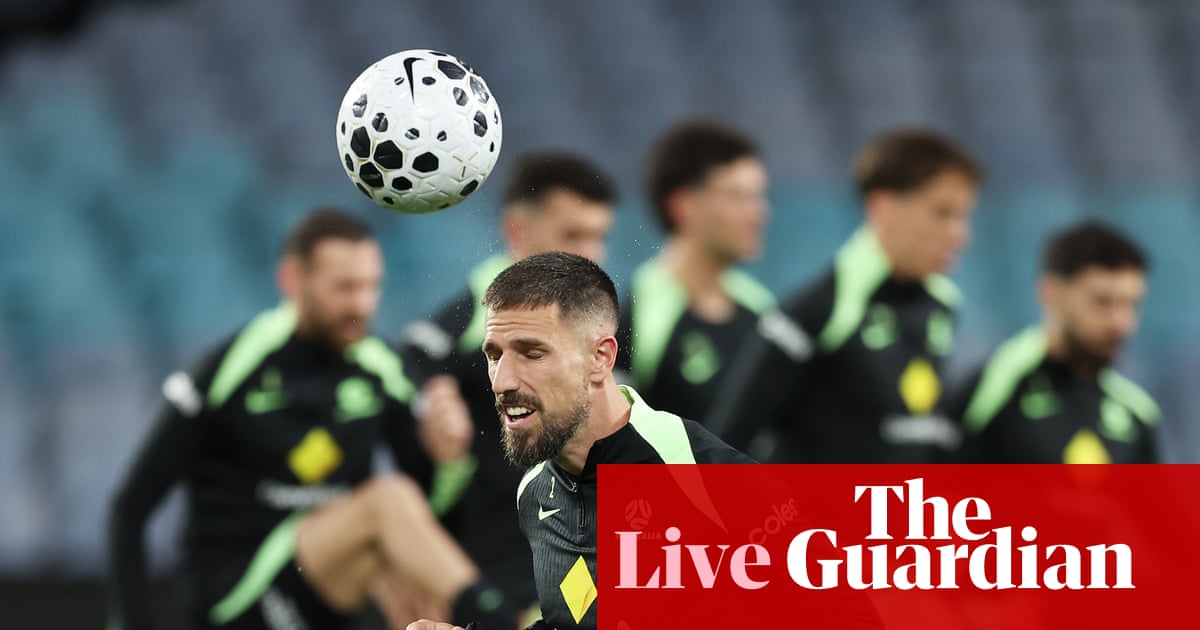
The Socceroos have historically survived on grit, late goals, and the uncanny ability to stay in matches they have no right being in. But there is a ceiling to how many times you can survive off pure heart. When you look at the analysis provided by Jack Snape, the math is staring us in the face. Against a team like Turkey, if Australia cannot control the space, they are going to get picked apart by diagonal balls and high-frequency transitions.
Why the USA matchup feels like a trap
Then there is the United States, the hosts, who carry the weight of a nation expecting a deep run. This is the match that everyone has circled on their calendar for June. The pressure on the USMNT will be immense, which is exactly why the Australians have a puncher’s chance, but it also means the crowd will be hostile in every sense of the word.
Managing a campaign in the 2026 format requires moving parts beyond the starting eleven. Are we sure the depth is there? The Australian squad has a habit of relying too heavily on stalwarts who have been playing at the top level for a decade. Transitioning from the qualifiers to the intensity of a group stage where every mistake leads to a 2-1 deficit is a different beast entirely.
Paraguay is the silent assassin
Let us not ignore Paraguay, who are lurking in the weeds like a character in a noir film. South American sides bring a dark art to this game that Australian teams have often struggled to solve. They will kick, they will feint, and they will waste time until the officials are ready to toss their cards into the stands. If the Socceroos lose points in that opening game, the tournament is effectively a closed door before the second leg.
This is where the tactical setup becomes a liability. Playing for a draw is a relic of the old world. In this current climate, you have to find ways to manufacture goals from set-pieces or broken play. Without a consistent finisher, the reliance on high-volume crossing into the box against robust defenses like Paraguay’s feels like a losing proposition.
The reality check we need
Criticism is usually labeled as doom-mongering, but let us look at the actual performance data from the last twelve months. There have been too many matches where the team looked disjointed, struggling to find a rhythm against mid-tier opposition. Transitioning from that rhythm to defending against the caliber of playmakers expected from Turkey and the US pipeline is a massive leap.
If the Socceroos want to defy these odds, the coaching staff needs to stop playing it safe. We do not need four central midfielders who all do exactly the same thing. We need someone who can carry the ball through lines and break a press. The tournament is fast approaching, and if the current tactical setup remains stagnant, we are going to see a rapid exit followed by some very painful finger-pointing.
The fans will show up in droves, they always do, singing and drinking their way through the summer. But the players need to justify that loyalty. This isn't just another group phase; it is the ultimate test of whether the current generation belongs on the world stage or if they are just tourists in the most prestigious event on the planet. I hope they prove the skeptics wrong, but looking at these fixtures, I am starting to wonder if the 2026 World Cup is going to be the end of an era for more than one reason.
Read Next
- The Socceroos are staring down a World Cup nightmare
- DR Congo are World Cup bound after a 52-year wait
- Italy miss out on the 2026 World Cup after penalty nightmare
- Tactics, Turf, and Training: The Football Fan’s Essential Kit List
- 🏆 World Cup 2026 — Full Coverage Hub
- 🇦🇺 Australia World Cup 2026 — Socceroos Hub
- 🇹🇷 Turkey at the 2026 World Cup — Full Coverage Hub