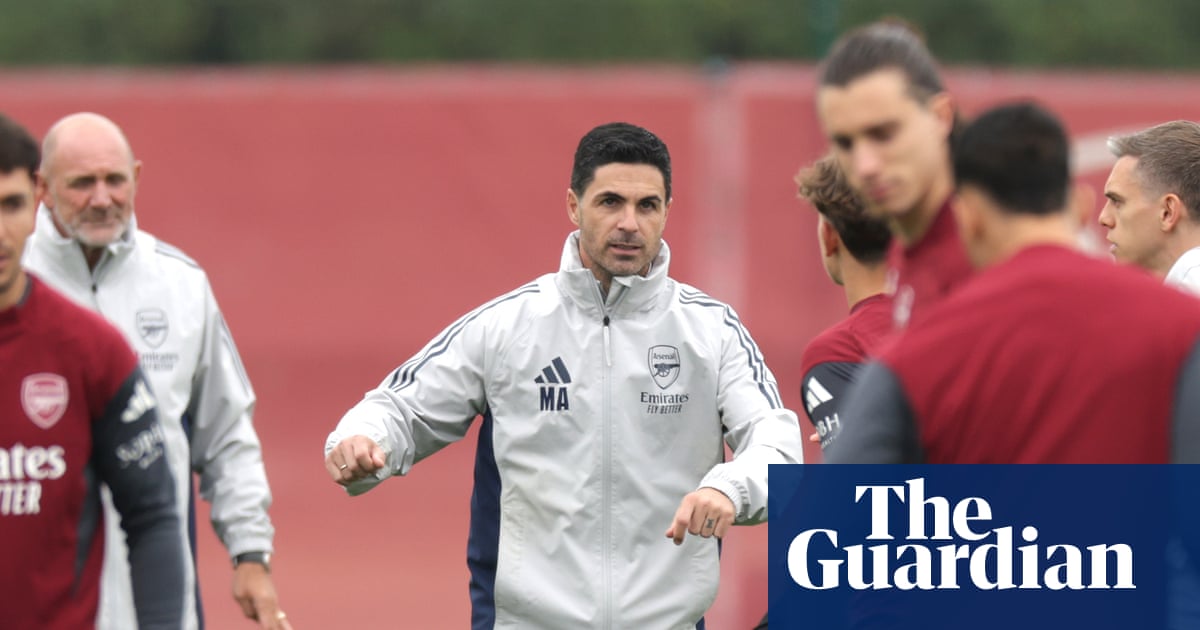
The Managerial Calculus
Mikel Arteta has transformed Arsenal from a drift-prone squad into a consistent Champions League semi-finalist. His tenure is defined by an obsessive attention to detail and a move toward a high-intensity, controlled style of play.
10. The 'Beast' Mentality
Arteta has publicly stated his squad must play like "beasts" to navigate the second leg against Atletico Madrid. This rhetoric suggests a deliberate pivot toward physical aggression to unsettle Diego Simeone's disciplined structure. It remains a high-variance strategy for a team primarily built on technical proficiency.
9. Tactical Ruthlessness
Reports from TeamTalk suggest Arteta is prepared to drop key contributors if necessary for the Atletico clash. This displays a willingness to sacrifice sentiment for tactical optimization. It is the hallmark of a manager who prioritizes the outcome over player morale.
8. Managing the Medical Room
Arteta confirmed a double injury boost heading into the semi-final decider, as noted by Metro UK. The ability to return players to fitness for high-stakes windows defines his coaching tenure. His precise integration of recovered personnel often dictates the team's ceiling in cup competitions.
7. The Atletico Madrid Chess Match
The first leg finished 1-1, leaving the tie on a knife-edge. Arteta is currently dealing with Simeone's psychological warfare, including the opposing manager's shifts in hotel arrangements. Navigating this off-pitch pressure is as important as the 90-minute plan.
6. The 2006 Ghost
Arteta is chasing Arsenal's first Champions League final appearance since 2006. This is the ultimate benchmark for his project. Failure to reach the final at this stage would leave his European record feeling perpetually incomplete.
5. Defensive Solidification
Under Arteta, the back line has ceased to be the laughing stock of the Premier League. He focuses on structural rigidity that allows his attackers to operate freely. Relying on this structure during the second leg will be his primary objective.
4. The Cultural Reset
When Arteta arrived, the locker room was reportedly fractured. He excised dead weight and replaced it with players who adhere to his specific behavioral standards. This was not a quick fix but a gradual, often divisive, reconstructive process.
3. Midfield Dominance
The current iteration of his midfield is designed to monopolize possession. Whether he chooses to prioritize control or direct transitions against Atletico will determine the match outcome. His adaptability here is his most significant tactical strength.
2. The Youth Integration
By betting on academy products, Arteta secured a deeper connection with the fanbase. This creates a sustainable long-term model instead of relying purely on transfer windows. However, the pressure on these younger players in high-stakes environments remains a legitimate concern.
1. The Trophies Problem
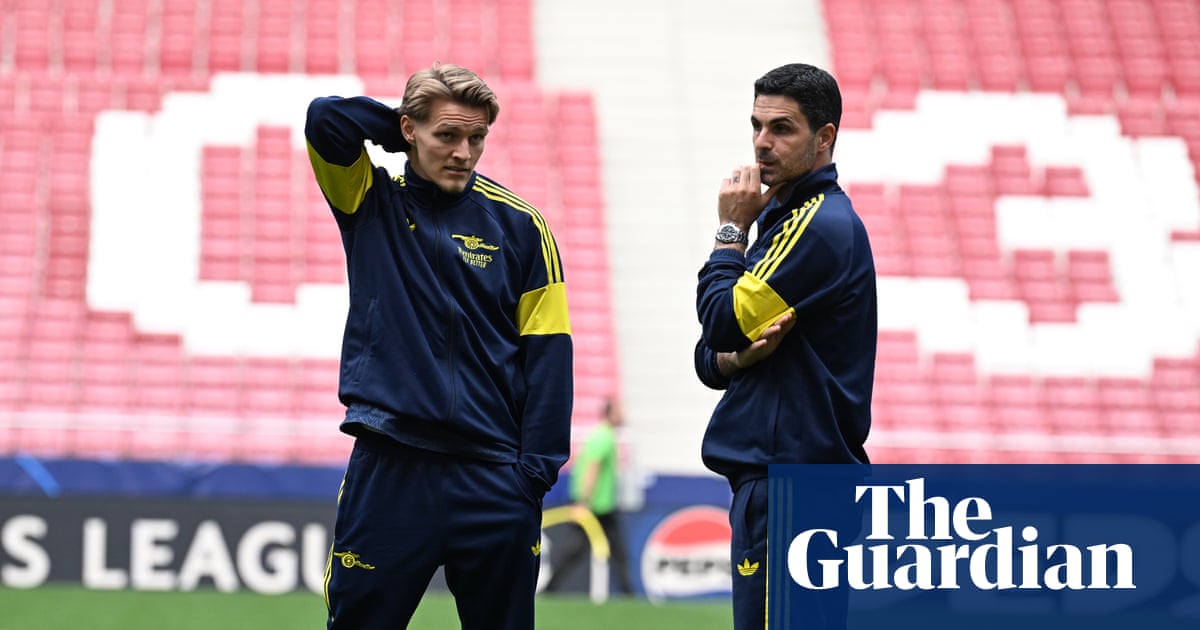
Despite the tactical brilliance, the count of major silverware remains modest relative to the spending. If he does not convert these deep tournament runs into actual trophies, the project will eventually be viewed as a hollow success. As The Guardian reported, the hunger to reach the final is evident, but the final hurdle is where he must prove his legacy.
Honorable Mentions
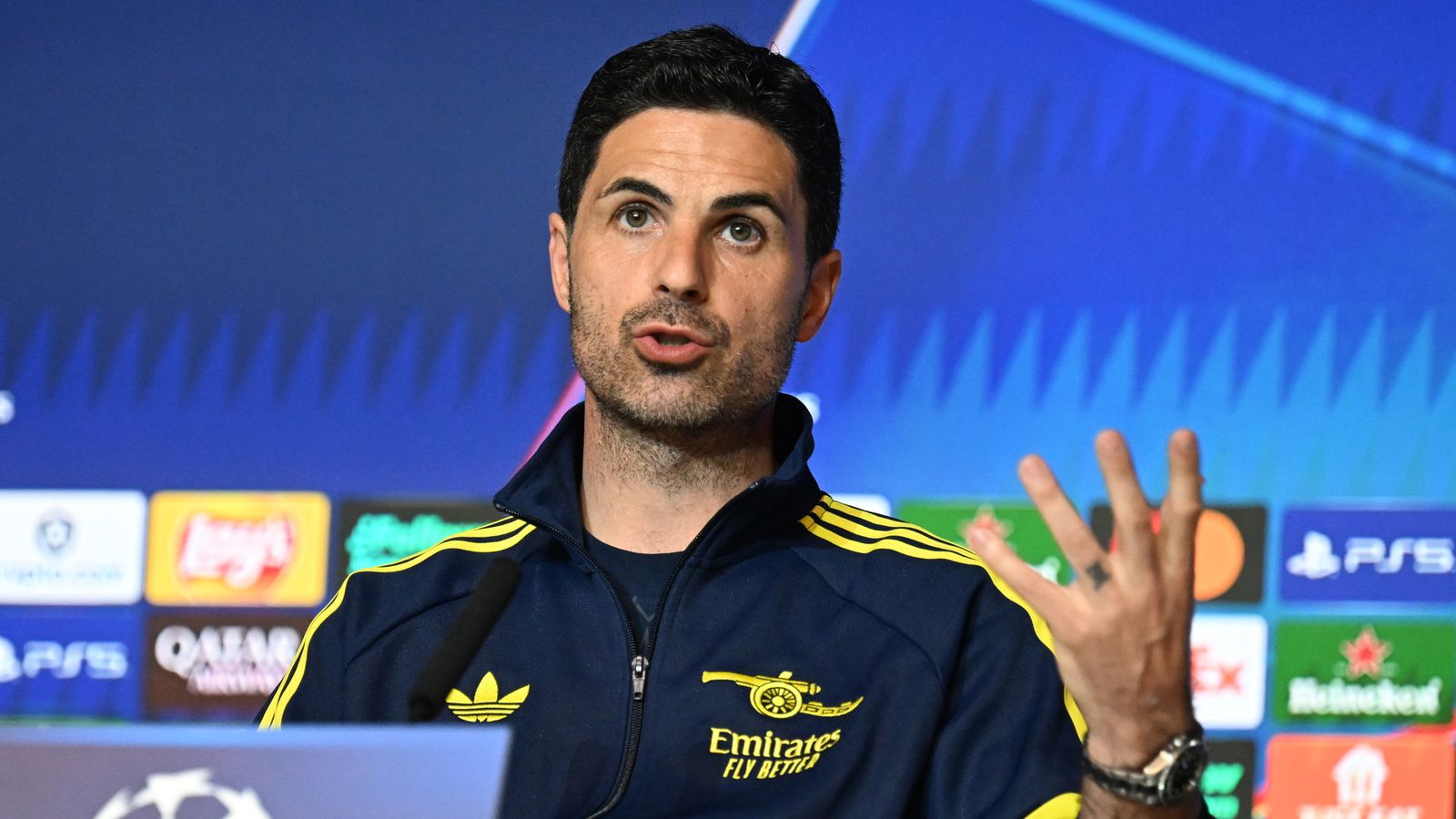
His ability to handle aggressive press conferences sets him apart from many predecessors. Additionally, his touchline demeanor has become a theater of its own, keeping the Emirates crowd engaged during mid-game lulls. However, his tendency to overcomplicate simple substitutions in late-game situations remains a frustrating flaw that has occasionally cost the team points.
Read Next
- Real Madrid's massive summer overhaul is accelerating fast
- Arsenal can overcome their injury crisis against Diego Simeone
- Arsenal's injury crisis deepens ahead of massive Atletico showdown
- Arsenal face mounting injury crisis ahead of Champions League decider
- ⭐ UCL 2026 — Champions League Quarter-Finals Hub