The Anatomy of an Arsenal Coronation
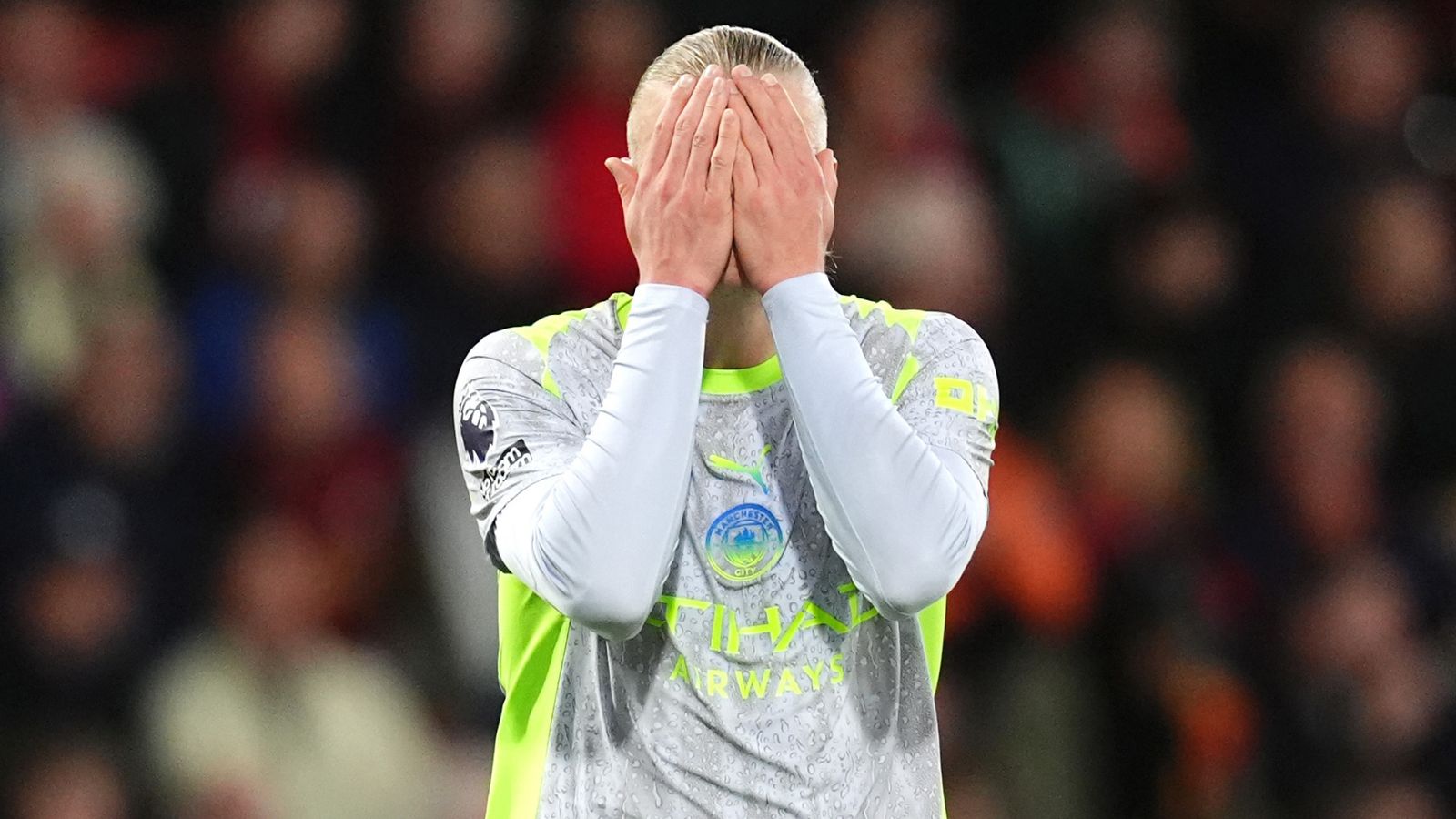
The 2026 Premier League season concludes with a shift in the hierarchy of English football. Manchester City’s decade-long grip on the trophy has officially snapped following a final-day stalemate against Bournemouth, handing the title to Arsenal after a 22-year drought.
1. The Kroupi Strike at the Vitality. Antoine Semenyo and the Bournemouth attack kept City on edge all match, but it was Kroupi’s late stunner that effectively killed the title race. The goal silenced the travelling support and forced Guardiola’s men into a frantic, disjointed rally that resulted in a draw.
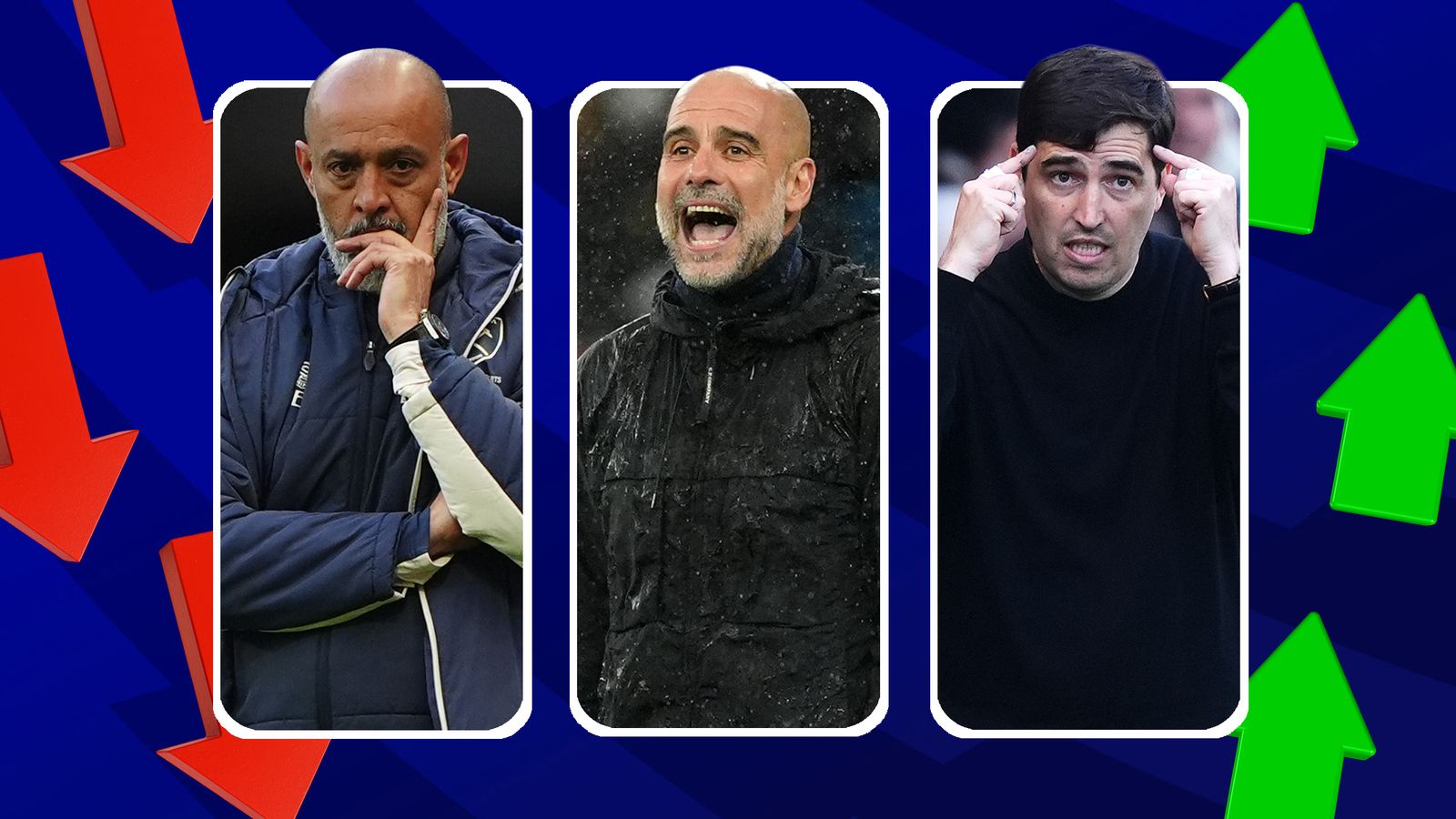
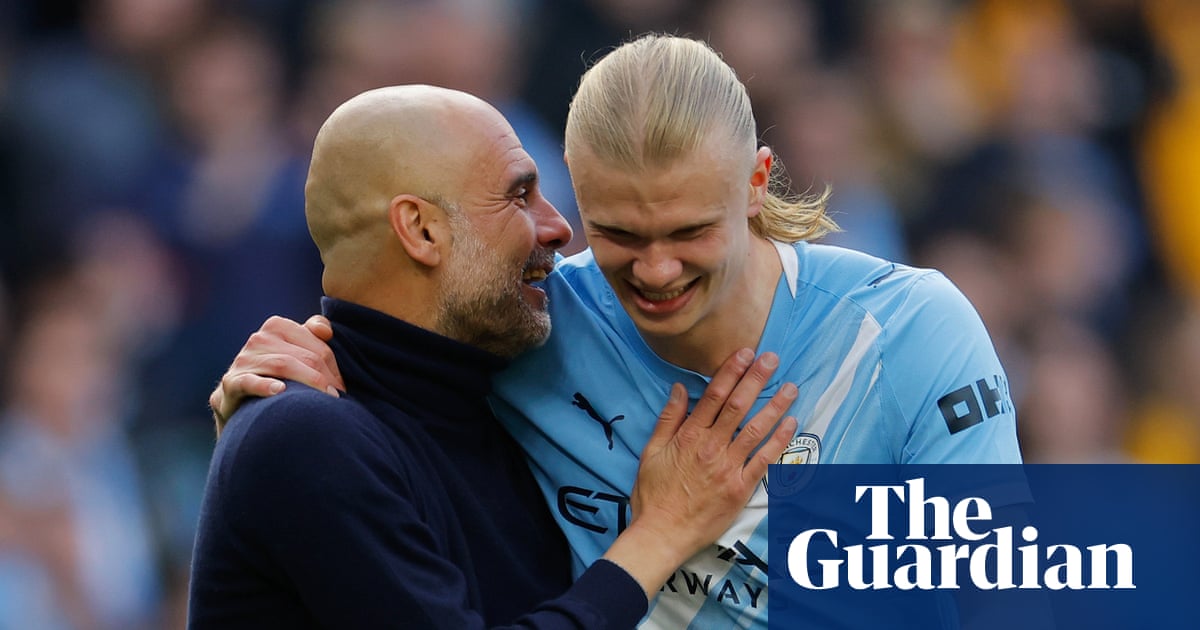
2. The Exit of Pep Guardiola. This season was defined by rumors regarding the manager’s future, resulting in a distinct lack of cohesion in the final months. As reported by The Guardian, the looming departure created a psychological void during the run-in. A treble bid evaporated into a single-cup season, leaving fans to wonder if the squad had mentally checked out early.
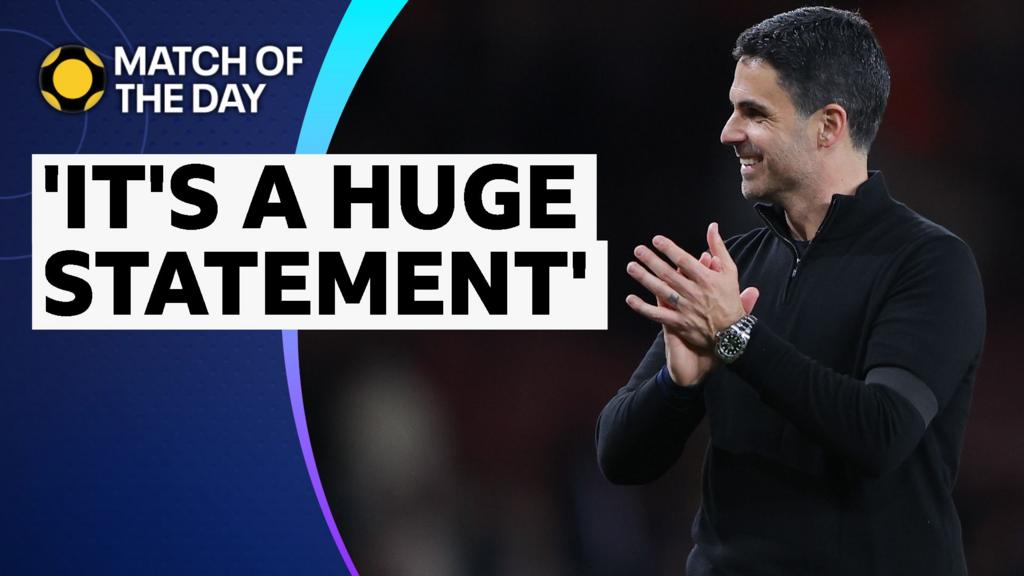
3. Arsenal’s Defensive Resilience. Under Mikel Arteta, the Gunners conceded fewer goals than any other top-six side, providing the foundation for this campaign. They prioritized clean sheets in high-stakes matches, often relying on a compact low block that frustrated opponents who expected an open shoot-out.
4. Manchester City’s Midfield Atrophy. Rodri’s mid-season fatigue issues exposed a lack of cover that cost the team points against lower-table opposition. When the engine room faltered, the transitions transitioned from clinical to chaotic, leaving the back four exposed in crucial counter-attacking situations.
5. The Bournemouth Spoiler Performance. While they were not title contenders, Bournemouth acted as the ultimate kingmakers. Their ability to hold off a desperate Manchester City side in the final game was not an accident but the result of a disciplined structure implemented throughout the spring.
6. Arsenal’s Tactical Adaptability. Arteta shifted his formation away from a predictable 4-3-3 to a more fluid 3-2-5 in possession during the second half of the season. This variation allowed them to exploit space behind high-pressing opponents, specifically during the March run where they hit a winning streak of eight games.
7. The January Transfer Window Silence. Failing to bolster the attacking ranks in January ultimately crippled City’s pursuit of silverware. While rivals were refreshing their options, City stood pat, betting on experience that simply ran out of gas during the April fixture congestion.
8. Bukayo Saka’s Consistency. Saka recorded 18 goals and 12 assists, proving he is the primary architect of this title success. His ability to draw double-coverage creates massive windows of opportunity for teammates, a gravitational pull that has arguably made him the most influential player in the league.
9. The Co-op Arena Anticlimax. The lack of a major celebration in Manchester reflects the flat nature of City’s final-day performance. Fans expected a grand send-off for a departing dynasty, but the 1-1 scoreline in Dorset provided a fittingly somber end to a period of total dominance.
10. The Return of North London Dominance. This title represents a massive shift in market power, giving Arsenal the financial and sporting leverage to attract elite talent this summer. After two decades of being the bridesmaid, they have finally cleared the final hurdle.
Honorable Mentions
Jurgen Klopp’s Liverpool side nearly spoiled the party with a late-season surge that reminded the league of their capabilities, even if they fell short of the top spot. Additionally, the Arsenal recruitment staff deserves credit for identifying defensive gaps that plagued the previous campaign, specifically the integration of new depth pieces into the starting XI.