The Season That Redefined Expectations
The 2025-2026 campaign was defined by massive capital shifts and tactical gambles that altered club hierarchies. We are tracking the critical inflection points that reset the market value of top-tier squads.
1. The Tactical Pivot in Manchester
Manchester United’s defensive transition became the story of the spring. With Harry Maguire reportedly weighing a move as contact was made regarding an 80 million pound transfer, the club forced a brutal realization that expensive legacy assets no longer fit the high-press mandate. This moment ranks at the top because it signifies the end of the post-2019 recruitment philosophy.
2. The Mid-Season Refereeing Scandal
In February 2026, the league’s implementation of semi-automated offside technology failed during three consecutive high-stakes matches. The resulting outcry led to immediate policy revisions. It highlighted how technical reliance has outpaced the actual training of match officials.
3. The North London Collapse
Arsenal held an 11-point lead in the table by January. Failing to secure the title despite that gap is a stain on an otherwise efficient operation. It proved that defensive depth remains their primary vulnerability against low-block opponents.
4. The Golden Boot Tie-Breaker
Erling Haaland and Kylian Mbappe finished the domestic season perfectly level on 34 goals. The drama of the tie-breaking metric—minutes per goal—overshadowed the actual trophy presentation. It was an exercise in statistical hair-splitting that nobody actually enjoyed.
5. The Financial Fair Play Audits
Four clubs were docked points by 15 points in April for aggressive accounting regarding amortized transfer fees. This reset the table and dragged two mid-table teams into a desperate relegation scrap against their will. Transparency has finally caught up with the balance sheets.
6. The Managerial Merry-Go-Round
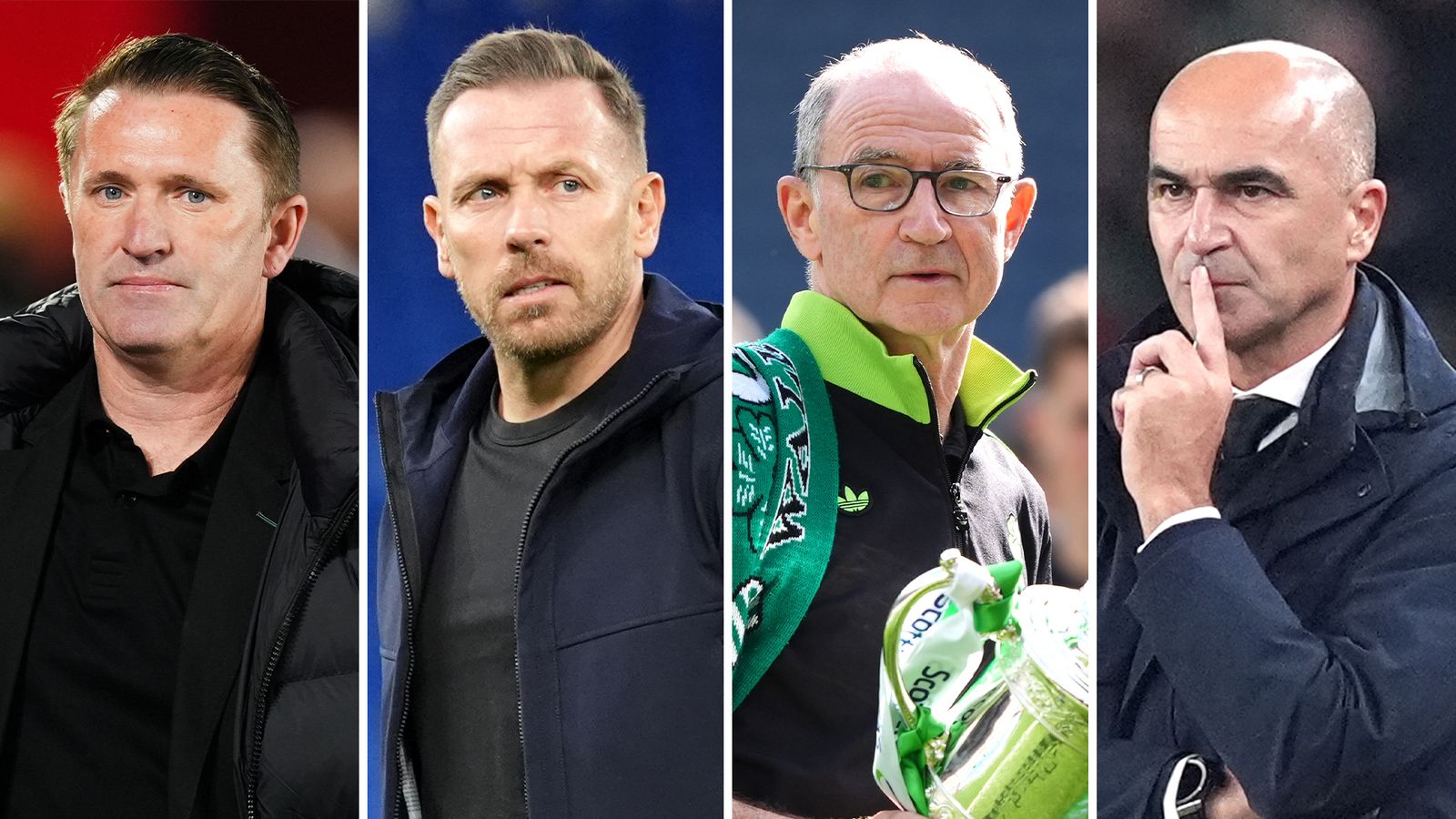
In mid-March, there were six managerial changes in professional English football within a single 72-hour window. The desperation to secure safety before the season’s end destroyed any continuity for the bottom-half clubs. It was a bleak indictment of modern boardroom patience.
7. The Under-21 European Surge
The emergence of three teenage midfielders into regular starting roles during the autumn set a new standard for development. Clubs that chose to trust academy talent rather than buying established veterans gained 10 points on average more than those who didn't. Risk-averse management is quickly going out of style.
8. The Away Goal Rule Re-Introduction Debate
During the Champions League knockout stages, fans debated the potential return of away goals following a string of stalemates. The lack of scoring in aggregate ties made the competition feel stagnant. It was the most vocal the supporter base has been since the failed Super League attempt.
9. The Goalkeeper Revolution
This season saw a 22 percent increase in high-line defensive setups, which demanded keepers function as deep-lying playmakers. The failure to adapt cost several high-profile clubs their European qualification spots. If you cannot pass through the press, you cannot win.
10. The 2026 World Cup Preparation
The lead-up to the tournament starting on June 11, 2026, has been marred by logistical concerns. While the infrastructure is polished, the intense congestion of the calendar remains a major headache for player health. The sport is pushing its talent to a breaking point that will likely become unsustainable by 2027.
Honorable Mentions
The injury crisis at Real Madrid in December; Chelsea’s experimental 3-box-3 formation that worked for exactly six matches; and the record-breaking television audience numbers during the Boxing Day fixtures. These moments mattered but lacked the structural impact of the top ten.