Measuring the High-Stakes Chaos of the 2026 Campaign
The 2025-2026 football calendar functioned as a pressure cooker for the sport's biggest institutions. We are ranking the singular pivots, tactical collapses, and institutional shifts that defined this year ahead of the World Cup kickoff.
10. The 180m Chelsea Midfield Pivot
Chelsea finalized an 180m total spend on central midfielders during the summer window, signaling a desperate departure from their experimental youth-first recruitment strategy. This massive fiscal outlay succeeded in stabilizing their league finish, but the lack of clear hierarchy created internal friction during the run-in. Expecting a coherent functioning unit on investment alone remains the club's fundamental error.
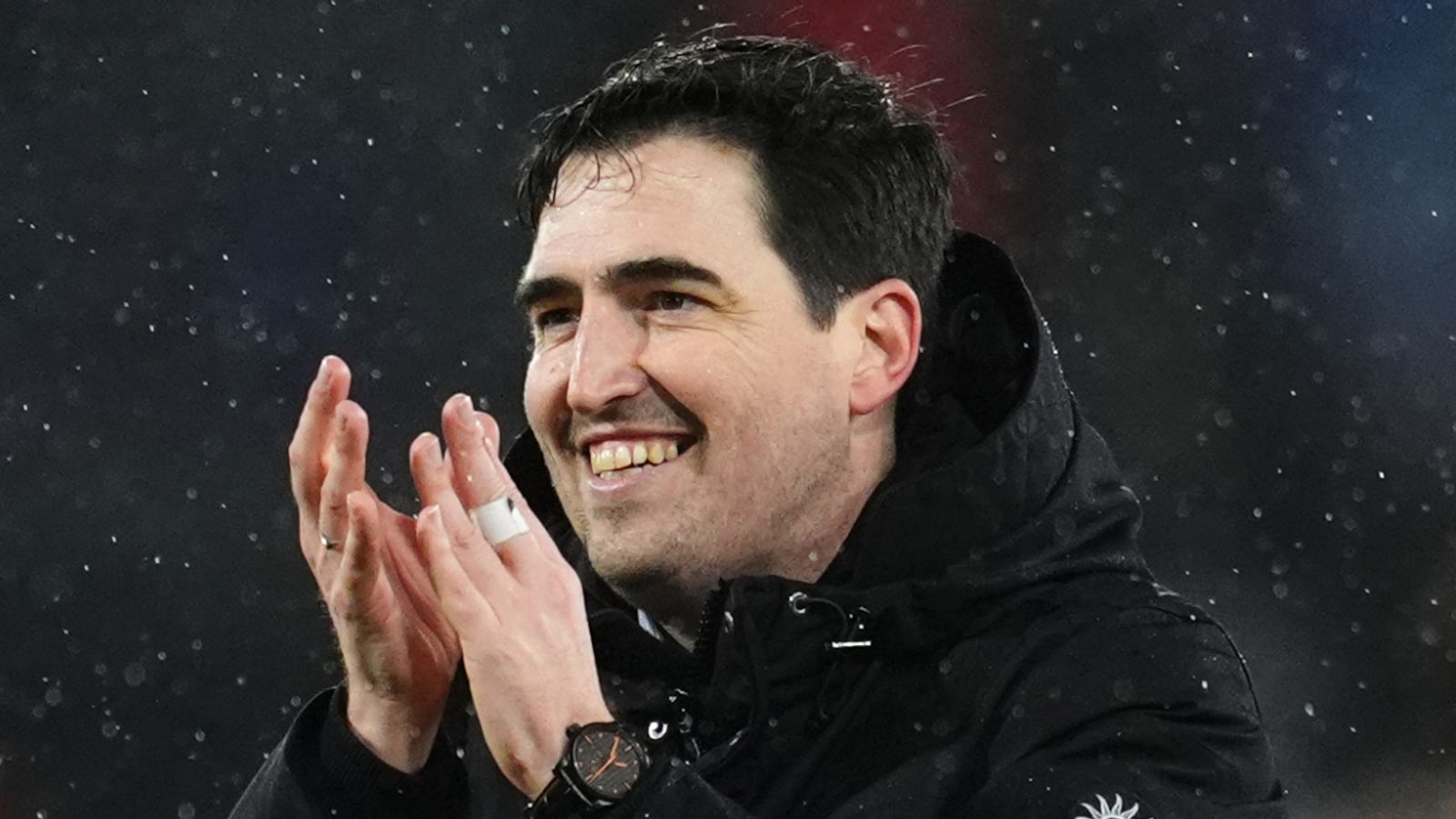
9. Andoni Iraola’s Sudden Liverpool Transition
As Sky Sports reported, the abrupt decision to bring in Andoni Iraola to replace Arne Slot caught the league hierarchy off guard. Slot’s inability to translate his domestic efficiency into deep continental runs left owners searching for a more aggressive touchline operator. The transition timing is risky with so few weeks before the summer break, but the board prioritizes a specific style over continuity.
8. Manchester City’s March Statement at the Etihad
City’s 4-1 dismantling of their nearest title challengers in March established a points gap that essentially ended the race for the domestic trophy. It served as a reminder that when the squad is healthy, the fluidity of their high-press is unmatched. The defeat forced rivals to reconsider their defensive setups for the remainder of the season.
7. The Decline of European Tactical Rigidity
Several high-profile managers were dismissed this year for refusing to adapt to the league-wide trend of vertical transition play. Clubs that stuck to rigid possession systems found themselves shredded on the counter. The failure of these once-heralded coaches proves that reputation does not protect you from a leaking score sheet.
6. Arsenal’s Late-Season Collapse
Two dropped points against bottom-half opposition in April effectively killed the Premier League title chase for the Gunners. Individual defensive errors in the 87th minute became a recurring theme that destroyed their consistency. The mental fatigue was visible as the squad struggled to maintain their high-intensity press for ninety minutes.
5. The Rise of the Specialist Full-Back
Tactical innovations this season emphasized the inverted wing-back role to an extreme degree, redefining how teams attack from deep. Defenders like Trent Alexander-Arnold and his counterparts became the primary playmakers, moving the ball significantly more than their central counterparts. This creates a defensive vulnerability that elite teams exploited throughout the year.
4. Brighton’s Unstoppable Scouting Machine
Brighton unearthed yet another diamond from the South American market, keeping their squad competitive despite losing three starters to top-six clubs. Their recruitment efficiency remains the standard by which all other mid-table clubs should be measured. Selling high and buying smart allows them to punch well above their wage bill.
3. The North London Derby Intensity
The 3-3 classic at Emirates Stadium remains the most entertaining match of the season for its sheer disregard for defensive organization. Both sides played with such speed that the ball barely spent time in the center of the pitch. It was an exhilarating display of athleticism that highlights how fast modern football has become.
2. Tottenham’s Unexpected Defensive Pivot
Spurs implemented a high-line system that should have been fatal, yet they rode the gamble to a Champions League qualification spot. Their willingness to accept chaos in the back four in exchange for overwhelming attacking numbers was refreshingly brave. While it nearly failed during their mid-season losing streak, it defines their identity moving forward.
1. The World Cup Pre-Tournament Shift
The most important moment is not a single match, but the widespread mid-season realization that squad depth determines success in a multi-competition year. Teams with overloaded schedules sacrificed league points to preserve fitness levels, creating a lopsided table by May. This is a troubling trend for domestic competitive balance as elite clubs consolidate top-tier talent into bloated rosters.
Honorable Mentions
Liverpool’s defensive injuries, the resurgence of the mid-block in Champions League knockout rounds, and Newcastle’s struggle to bridge the gap to the top four despite record revenue. These storylines defined the background noise of a frantic season.