The Highs and Lows of a Volatile Year
The 2026 football season has moved at a breakneck pace, defined by tactical shifts and high-stakes squad management. From Manchester United's restructuring to the intense preparations for the Champions League quarter-finals, these are the moments that dictate the current order.
The Ranking
- Marcus Rashford's Transfer Stand-off
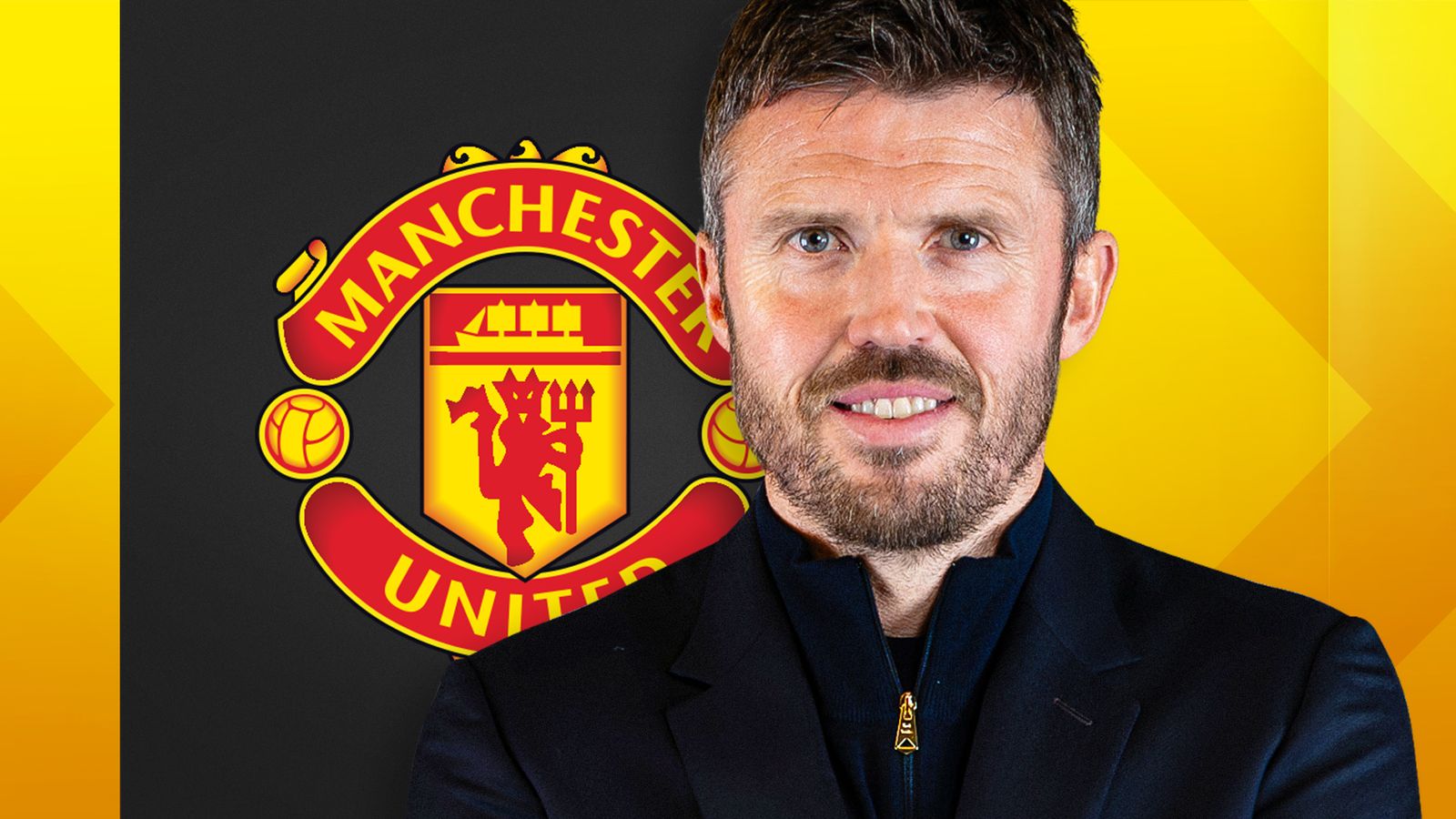
Manchester United management firmly signaled to Marcus Rashford that his departure is a viable financial reality this summer. Reports indicate the club is moving toward a strategy where no player is bigger than the wage structure. It ranks first because it signals the end of the post-2022 stagnation era at Old Trafford, forcing a total rebuild. This move effectively closes the door on the erratic form that defined his 2025 campaign. - UCL Quarter-Final Draw Realignment
The pairing for the April 7, 2026, fixtures shifted the odds for the remaining favorites entirely. Tactical managers now face a condensed schedule that forces rotation before the FA Cup developments. It sits second because the draw ensures at least one major contender exits before the semi-finals start on April 28. Every manager knows depth on the bench is the only way to survive the gauntlet. - Tactical Rotation in Mid-April
The medical departments are working absolute overtime to prepare players for the back-to-back demands of April 9, 2026, and April 16, 2026. The shift from standard league play to high-intensity knockout football has exposed several teams with shallow rosters. We have seen managers lose entire defensive backlines to fatigue-induced muscle tears in the last three weeks alone. It earns this spot because it represents the silent killer of title-winning dreams. - The International Break Reset
The conclusion of the recent break allowed squads to recalibrate before the sprint to the domestic finishes. While many managers complained about player availability on March 30, it provided the best scouting window of the year. Teams currently showing form in April are the ones that actually utilized this time to drill set-piece transitions. The clubs that failed to adapt are visibly suffering in the final 15 minutes of matches. - The Absence of Consistent Finishing
A recurring theme throughout the season is the inability of high-revenue strikers to convert high-value chances. Clubs are spending 90 million euros on forwards who are missing open nets with regularity. This inefficiency is why the current league tables look so clustered at the top. If a clinical presence existed, the current standings would not be nearly this competitive. - The Rise of Unexpected Midfielders
Academy graduates have seized starting spots that were initially earmarked for high-priced summer signings. These younger players are covering more ground and providing better defensive coverage than the established veterans. It is a damning indictment of transfer scouting departments that have prioritized marketing over chemistry. Their impact has salvaged the seasons for at least three mid-table clubs. - Defensive System Overhauls
Several Champions League contenders shifted to a three-center-back formation to mitigate pacey wingers. This move has drastically slowed the tempo of matches, leading to a noticeable drop in aggregate goals. While efficient, it creates a stagnant product for fans who prefer the high-octane counters of previous years. It ranks here because it is a boring, yet undeniably effective, deviation. - The Goalkeeping Crisis
We have seen a statistical spike in errors leading to goals from keepers playing out from the back. The reliance on possession-based goalkeeping has reached a point of diminishing returns. Two high-profile quarter-finalists have essentially sabotaged their own campaigns by forcing passes that lead to 0.5 goals conceded per game on average. It is a stubborn adherence to a philosophy that simply no longer fits the skill levels involved. - Crowd Energy Shifts
The atmosphere in stadiums has become increasingly hostile toward ownership groups during home defeats. This volatility is a direct response to the lack of transparency regarding club debt and long-term investment strategies. On three separate occasions in March, matches were delayed because of fan protests. It ranks ninth only because it serves as a reaction to on-field struggles, rather than a driver of play. - Managerial Tenure Volatility
The number of coaches on the hot seat has reached double digits with less than two months remaining in the season. Boards are panic-hiring interim managers solely to avoid relegation or secure European qualification prize money. This short-term thinking prevents any actual development of tactics or squad morale. It remains a low-level concern because these changes rarely produce the intended results on the pitch.
The Big Picture
The 2026 season is currently defined by the tension between long-term squad sustainability and the immediate pressure of trophy accumulation. Clubs that balance the medical workload against tactical discipline will survive the upcoming April fixture density.
Honorable Mentions
The failure of VAR efficiency in the league remains a constant source of frustration for match-going supporters. Additionally, the improved performance of lower-tier teams in cup competitions has provided the few genuine surprises this cycle has offered.