The Architect of Narrative
Football is rarely defined by 90 minutes. It is forged in the slivers of time before the final whistle when a single choice alters the trajectory of a season.
These are the ten movements that shifted the game, ranked by their long-term impact on the sport and the sheer audacity of their execution.
The Ranking
10. The 2026 World Cup Preparation Pivot
The global push toward the June 11, 2026 kickoff has been anything but smooth. FIFA opting for an expanded 48-team format changed the logistics for every federation and broadcaster involved. While organizers praise the financial reach, the strain on player fitness is already showing before a ball is kicked.
9. The Southampton Spying Scandal
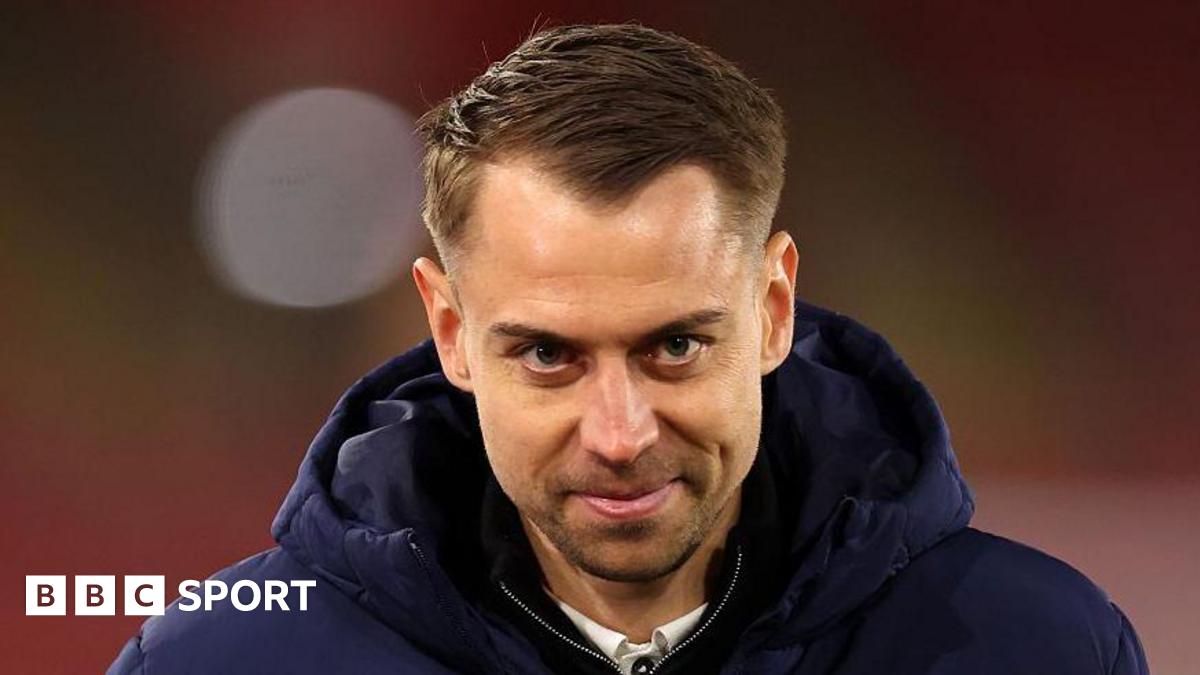
Southampton owner Dragan Solak’s decision to retain Tonda Eckert despite the unauthorized spying on Championship rivals deserves its place on this list. It is rare for a club to publicly admit a moral failure while keeping the perpetrator in the dugout. This move signals a win-at-all-costs mindset that is becoming normalized in the modern game. As the BBC reported, the ownership views the spying as a preventable tactical oversight rather than a firing offense.
8. The Saudi Pro League Influx
The aggressive recruitment of European stars in the summer of 2023 changed the wage structure of football forever. Clubs suddenly had to contend with non-traditional markets offering tax-free salaries triple what top-tier teams could afford. This disrupted the talent pipeline, forcing mid-table European clubs to rethink their recruitment strategies entirely.
7. Introduction of Semi-Automated Offside Technology
Tech integration into refereeing has been mostly disastrous, but the semi-automated offside system finally removed the subjectivity that plagued the VAR era. By mapping joints via camera arrays, the game gained a definitive 3D reference point. Fans may hate the armpit-hair offside calls, but the consistency is undeniably superior to previous human error.
6. The Manchester City Financial Charges
The Premier League’s decision to hit City with 115 charges for alleged financial irregularities remains the most consequential regulatory event of the decade. This case forced a rethink of how clubs can utilize shell companies to inflate commercial revenue. Whether they walk away or face liquidation, the legal proceedings have already chilled investments across the rest of the league.
5. The Retirement of the Tactical Big Man
The decline of the traditional target man in favor of the false nine or inverted winger has altered squad construction. Modern managers prioritize mobility over aerial dominance, turning the box into a congested zone of rapid passing. The era of the pure poacher is effectively over, replaced by midfielders who can also score 20 goals per season.
4. The Rise of the Data-Driven Ownership Group
Multi-club ownership groups like Red Bull and City Football Group have centralized scouting and development. They identify talent in South America and move them through Belgium or Austria before they ever reach a top-five league. It is a factory line that maximizes transfer profit and minimizes risk through shared data lakes.
3. The 2022 World Cup Winter Scheduling
Putting a World Cup in November and December changed the physical rhythm of every major European competition. Players came into the tournament at peak fitness in mid-season, leading to a higher quality of play than the usual post-season fatigue. It successfully proved that winter tournaments generate high-intensity football if players are properly managed.
2. The Collapse of the European Super League
The formation and immediate implosion of the Super League in 48 hours is the ultimate story of fan power over corporate greed. It forced UEFA to reform the Champions League in response to the demands for more high-profile matchups. The project itself failed, but the fear it instilled in governing bodies forced a complete revision of TV revenue distribution.
1. The Adoption of High-Press Tactical Systems
The universal adoption of the high press by top-tier sides represents a fundamental shift in how professionals view physical conditioning. Players are now expected to cover 12 kilometers per match while maintaining sprinting intensity, effectively turning 90 minutes into a series of 10-second chaotic bursts. This is the gold standard of modern play, leaving sides that cannot press physically stranded in the middle of the table.
The Big Picture
Football moves in cycles, but the velocity of change has hit warp speed in the last three years. The next decade will likely be defined by a clash between traditional club identities and increasingly sterilized, data-mined corporate structures.
Honorable mentions: The implementation of 5 substitutions per match, the tactical evolution of the inverted full-back, and the record-setting €100 million fee for Declan Rice. Each of these moments represents the shifting mechanics of a sport that refuses to stop evolving, even when it tries to burn itself down.