The Architect of Narrative
Football is rarely defined by 90 minutes. It is forged in the slivers of time before the final whistle when a single choice alters the trajectory of a season.
These are the ten moments that shifted the game, ranked by their long-term impact on the sport and the sheer audacity of their execution.
The Ranking
10. The 2026 World Cup Preparation
Everything in the last six months has been a rehearsal for what happens on June 11. FIFA's expansion to 48 teams has forced a massive logistical shift, testing the limit of squad depth for every participating nation.
Ecuador, for example, has pivoted toward a miserly defensive structure under Sebastián Beccacece. As The Guardian reported, the reliance on Moisés Caicedo in midfield is the gamble of the tournament. If it fails, the entire defensive organization collapses.
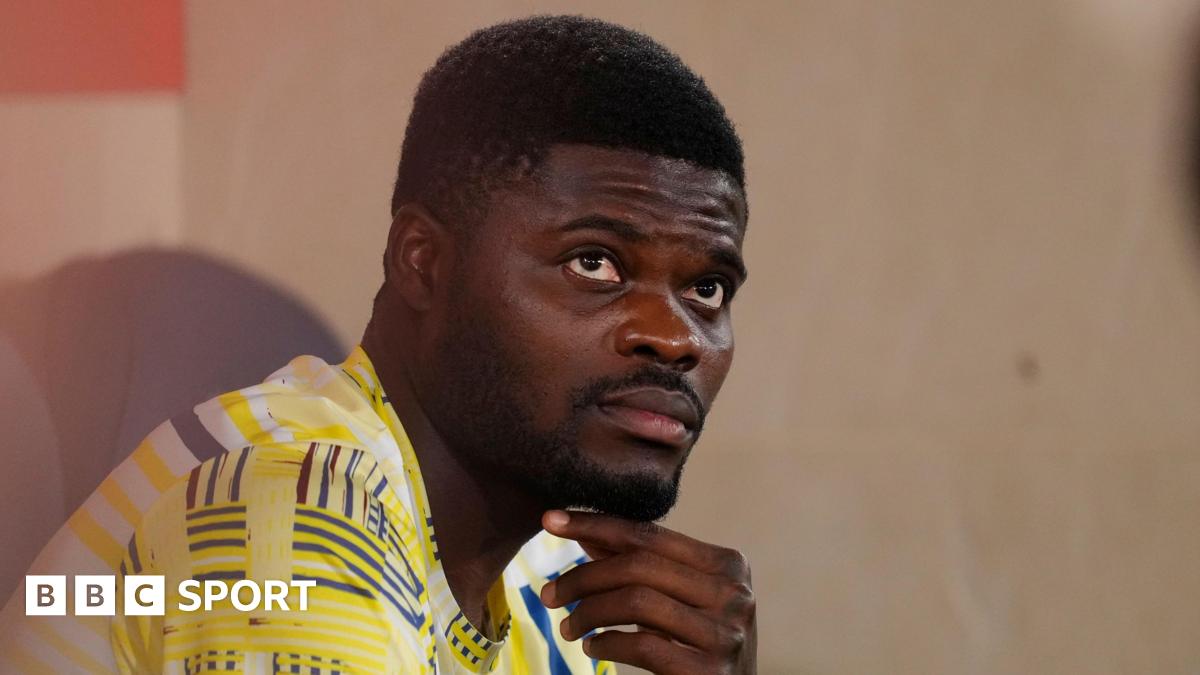
9. Carlos Queiroz Trusts Thomas Partey
Managers love stability, but pinning a World Cup run on a player battling injuries is a massive risk. Carlos Queiroz recently confirmed Partey as the centerpiece for Ghana despite lingering questions about his fitness levels.
This decision effectively creates a binary outcome for Ghana. They either advance past the group stage or the lack of rotation proves disastrous. It is bold, but it leaves zero margin for error in the engine room.
8. The Transition to High-Press Analytics
Five years ago, pressing was a stylistic choice, not a mandate. Now, teams that don't track distance covered in the final third are essentially conceding points before kickoff. Data has stripped the romance out of low-block tactics.
The shift to extreme front-loading has been a double-edged sword. While it creates more goals, it also leads to unsustainable fatigue for players playing upwards of 60 games per season. The beautiful game is becoming a game of attrition.
7. The Super League Fallout
When the proposal for a breakaway league imploded in 2021, it changed how fans view ownership. Supporters are no longer passive observers; they are the primary check on boardroom power.
The lingering resentment continues to color every shirt sponsorship and stadium naming rights deal. Owners learned that while they hold the capital, the fans hold the cultural veto. That balance of power has not fully reset.
6. The Adoption of Semi-Automated Offside Technology
The speed of decision-making improved, but the spirit of the game took a hit. Players now fear making a run by a margin of 2 centimeters because an algorithm says their shoulder is ahead of the defender.
Precision is not the same as fairness. By removing the benefit of the doubt, we have created a environment where the game stops for minutes while officials check calibration. It is a win for accuracy, but a loss for spontaneous momentum.
5. The Rise of the Utility Fullback
The role of the defender has been totally rewritten. It used to be about stopping wingers; now it's about providing an extra body in midfield. A fullback who cannot play a progressive pass is now dead weight in a high-level squad.
This evolution has made scouting exponentially more difficult. The cost for a versatile wing-back has exploded to over 60 million euros in most markets. If you have the right one, your tactical ceiling is limitless.
4. The 2022 World Cup Winter Shift
Moving the tournament to November disrupted the global calendar permanently. Leagues had to cram two seasons of intensity into less time, leading to record-breaking injury lists across Europe.
While the football on the pitch was excellent, the cost was paid by the clubs. We are still seeing the fallout in the form of burnout for the primary stars in the 2026 cycle. It was a massive mistake for the long-term health of the athletes.
3. The Global Expansion of Scouting Networks
Talent identification is no longer limited to regional hubs. European giants are pulling kids out of South America and Africa at 17 years old in record numbers.
This has gutted the domestic leagues in the emerging markets while padding the benches of elite clubs. It creates a vacuum where smaller clubs struggle to retain talent long enough to build a competitive identity. The funnel is clogged at the top.
2. The Increased Use of Five Substitutions
Permanent, five-man rotation changed the math on how a match is managed. Coaches now treat the final 30 minutes like a separate game entirely. Fresh legs can press a tired opponent into submission in ways that were impossible under the old three-sub rule.
This shift favors the deep-pocketed clubs who have the depth to rotate without dropping quality. It has effectively killed the "classic underdog" story of a small team holding on for a 1-0 win. You simply cannot sit that deep for that long against five fresh attackers.
1. The VAR Implementation Era
No single moment, rule change, or tactical shift has defined the modern era like VAR. It has changed the way players celebrate, moving from pure joy to a tentative glance at the referee's wrist.
The technology serves as a lightning rod for every refereeing failure. It did not remove subjectivity; it just moved it into a dimly lit room where people stare at monitors for minutes on end. We are still paying the price in lost flow.
Honorable Mentions
- The normalization of 100-plus minute matches due to stoppage time adjustments.
- The massive migration of top-tier talent to the Saudi Pro League.
- The introduction of multi-club ownership models by private equity.