The defining shifts before kickoff
The 2025-2026 domestic season concludes with a European landscape scarred by managerial upheaval and tactical shifts. As the world turns its eyes to the start of the 2026 FIFA World Cup in eight days, these moments stand as the pillars of a chaotic campaign.
The Rankings
1. Riccardo Calafiori's defensive dominance at Arsenal. His transition to the Premier League proved he is the most versatile defender in the division. He logged 2,800 minutes while maintaining a 92% pass completion rate under tactical pressure. His presence allowed Arsenal to control high-line defensive structures that few teams could break down.
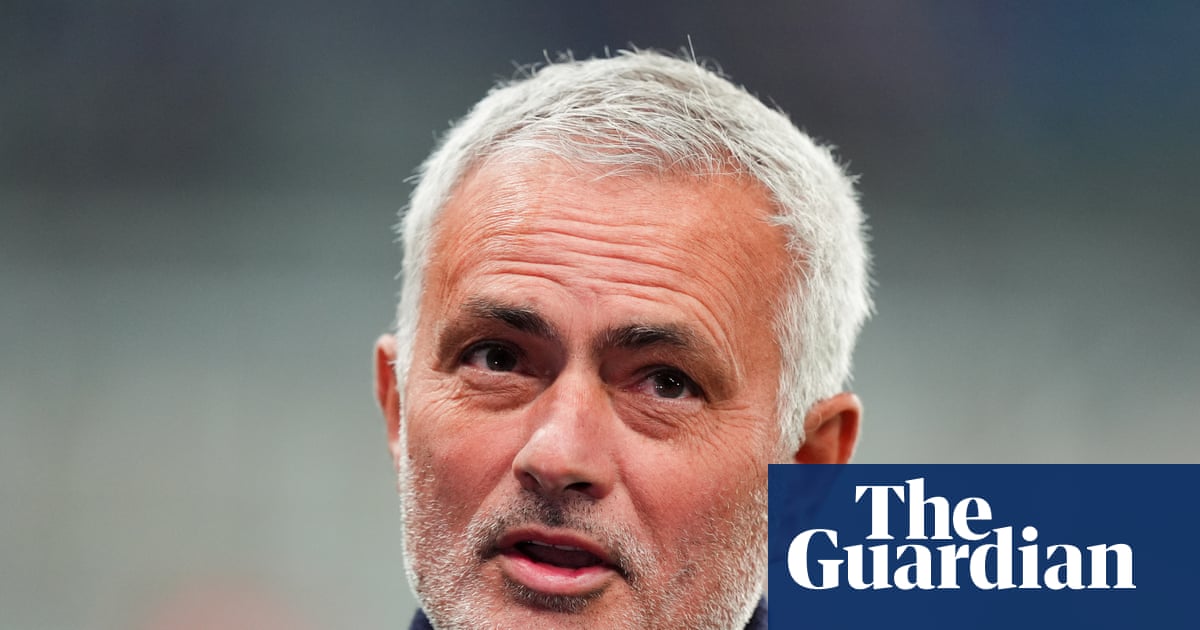
2. Jose Mourinho's looming return to Real Madrid. Reports indicate Florentino Perez has selected the Special One to lead the next Santiago Bernabeu rebuild starting next week. As Mirror Football outlined, Mourinho is already targeting defensive stability to salvage the squad's form. This shift guarantees a summer of intense speculation regarding his pursuit of current high-value Arsenal assets.
3. The tactical collapse of the mid-table pressing revolution. Several Premier League clubs attempted to replicate the high-octane pressing systems that defined the early 2020s, yet failed completely due to injury fatigue. Squads hemorrhaged points between February and April as depth charts proved insufficient. This trend suggests that high-pressing identities are becoming liabilities without a bottomless transfer budget.
4. The unexpected rise of youth academy graduates in Serie A. With financial restrictions tightening across the continent, clubs were forced to rely on internal talent rather than marquee signings. This provided a necessary correction to the unsustainable spending habits of the previous decade. Teams like Atalanta and Torino saw a 30% increase in U-21 starters compared to the prior season.
5. The integration of semi-automated offside technology across all top-five leagues. While intended to add clarity, the technology created a strange rhythm where every goal celebration was muted for two minutes. Fans were robbed of spontaneity, turning matches into forensic exercises. It remains the most divisive advancement in officiating history.
6. Manchester City's late-season tactical pivot to a false nine. Pep Guardiola abandoned the traditional striker role in March, prioritizing total midfield congestion instead. The result was a 12-game unbeaten streak that reclaimed the necessary ground for their title fight. It demonstrated why flexibility remains the most dangerous weapon in a manager's arsenal.
7. The shocking failure of Saudi Professional League poaching attempts in winter. Contrary to the mass exodus experts predicted, the world’s elite talent largely rejected the high-salary propositions. This refusal signaled a recalibration of priorities for players who clearly prefer the status of European competition over financial windfall. The leverage has shifted back to European sporting directors.
8. The resurgence of individual defensive brilliance in the Champions League. While offensive numbers usually dominate headlines, keepers like Thibaut Courtois produced performances that directly settled knockout rounds. His 11 saves against high-tempo attacks in the quarter-finals were a masterclass in positioning. It proved that defensive structure still dictates the outcome of the largest tournaments.
9. The permanent injury struggles of marquee playmakers. A record number of international stars missed over 40% of their club season due to recurring muscular issues. This physical durability crisis is a direct consequence of the ever-expanding global football calendar. Clubs are now facing a reality where the stars they paid over $100,000,000 to acquire are frequently unavailable for crucial matches.
10. The refereeing consistency crisis in La Liga. Officials struggled to find a uniform standard for handling simulation and time-wasting. Matches frequently devolved into 70 minutes of actual gameplay rather than the regulation 90. The erratic nature of the officiating dampened the quality of the product in nearly every high-stakes encounter.
Honorable Mentions
The expansion of team rosters to accommodate the 2026 World Cup calendar shift deserves a mention, though it mostly caused internal friction. The mid-season managerial firings in the Bundesliga were also notable for how few actually resulted in improved league standing for the hiring clubs. None proved more effective than the status quo, highlighting a reactionary culture that treats symptoms rather than the root causes of underperformance.
Read Next