The void in Manchester City's engine room
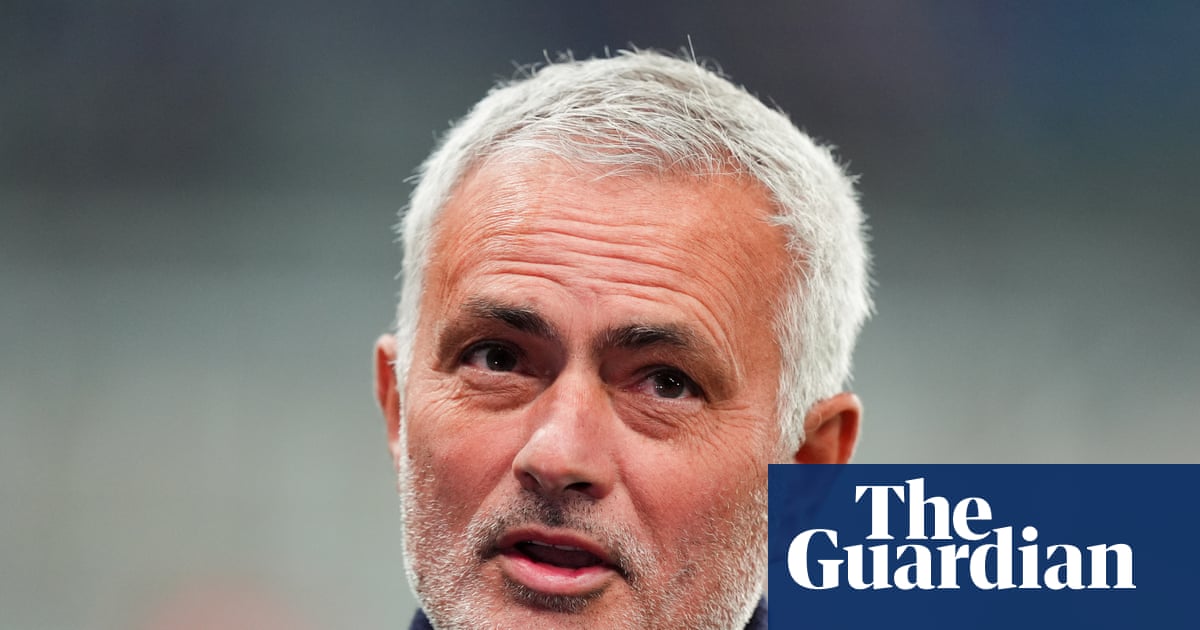
Bernardo Silva’s departure from Manchester City felt like the conclusion of a tactical epoch. His final appearance for the club marked the end of a dominant cycle where his ability to occupy the half-space became the template for every possession-based system in the league. Now, with the World Cup kickoff just 8 days away, the news that Silva has performed a complete transfer U-turn—or at least opted for total silence until mid-July—places a massive weight on Guardiola’s recruitment staff.
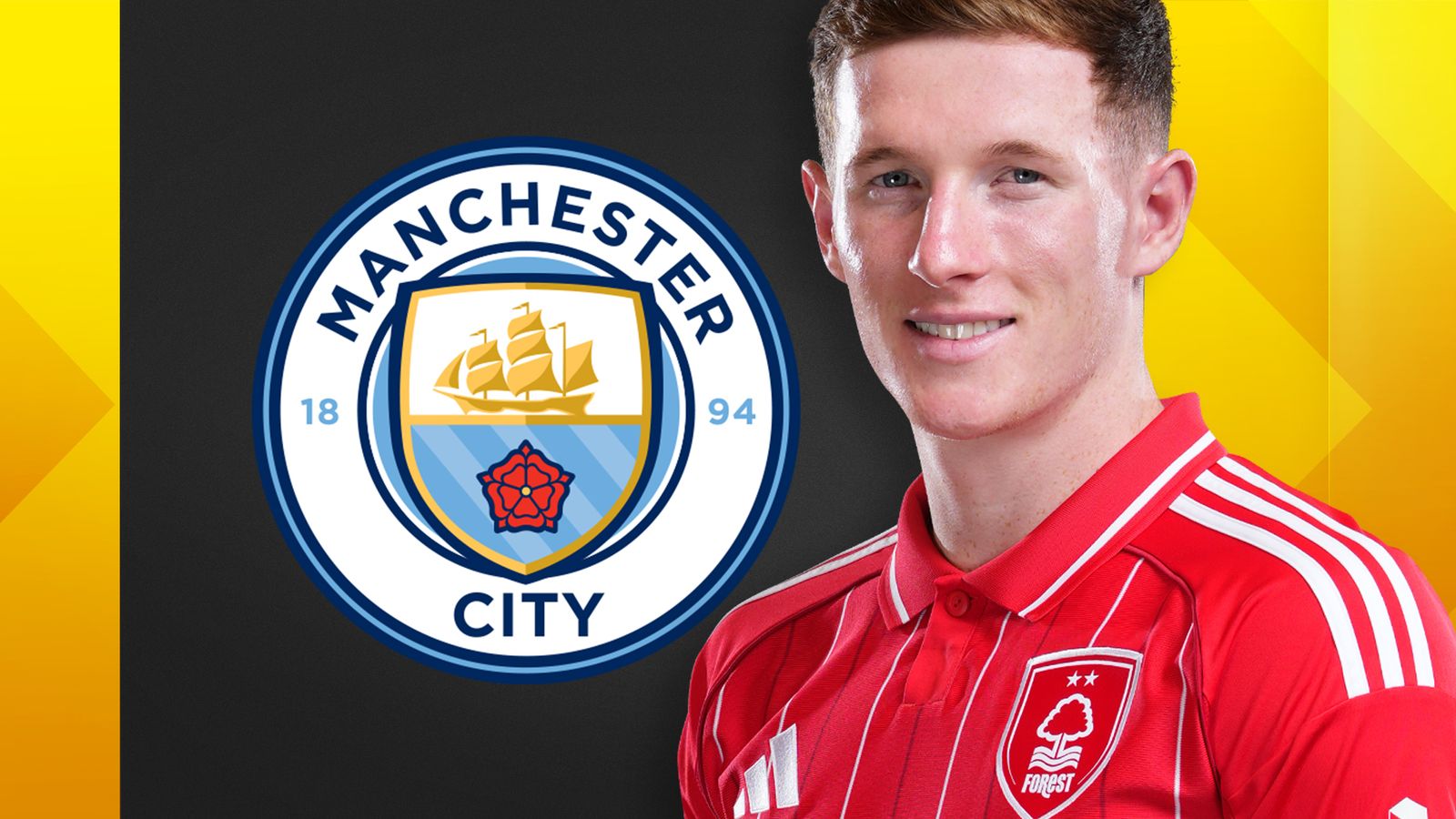
The club recently signaled an interest in Anderson to provide a more vertical threat in the final third. However, chasing a replacement for a player who functions with Silva’s specific profile is notoriously difficult. Silva controlled the tempo of 90-minute matches while maintaining a staggering accuracy rate in tight pockets of the press, a skill set that cannot be replaced by a simple formation shift.
Tactical ambiguity ahead of the World Cup
Guardiola is currently operating in a vacuum. Without a definitive answer on Silva’s destination, the scouting department is essentially projecting scenarios for different midfield configurations. If they bring in a pure transition runner, the team loses the ball-retention insurance that allowed Phil Foden or Kevin De Bruyne to push higher up the pitch. It is a balancing act that requires a high degree of precision.
There is also the matter of the current squad’s exhaustion. The intensity of the previous campaign, marked by a high pressing trigger frequency, saw the team’s xG conceded increase by 0.34 per 90 minutes during the final four-game stretch. A tired team is a vulnerable team, and losing a stabilizer like Silva before June 11 leaves a structural gap that cannot be addressed in the current training window.
The danger of waiting
History suggests that delaying recruitment until after a major international tournament is a structural error. Prices balloon if a player performs well in the group stages, and the best options are often locked into deals before the quarter-finals even begin. By holding out, City is inviting a bidding war that could spiral into a nine-figure valuation, a sharp contrast to the reported transfer targets that have been under review since March.
My concern here is defensive stability. Silva wasn’t just an attacker; he was the primary outlet when City played out from the back under sustained pressure. Without him anchoring that transition from the defensive third into the midfield, the double pivot of Rodri and his partner will be forced to cover 15% more ground, increasing their risk of metabolic fatigue by the time club football resumes.
Expect City’s front office to act aggressively the moment the tournament ends. They cannot afford to let this uncertainty linger past the group stages. If they pivot toward a replacement by June 20, they might salvage the window. If they wait until July, they might as well write off the first two months of the upcoming campaign as a period of tactical discovery rather than consolidation.
Prediction: Silva will ultimately favor a move to a legacy European giant rather than a high-wage pivot to a secondary league. City will panic-buy a secondary creator once the knockout stages begin, likely netting a loss of 15 million on the required replacement compared to May valuations.
Read Next
- Matvey Safonov’s statistical anomaly won’t happen twice
- Manchester City's domestic double proves the squad depth gap has widened
- Manchester City's interest in Anderson signals a necessary midfield pivot
- Carrick's United rebuild starts with a massive midfield gamble
- 🏆 World Cup 2026 — Full Coverage Hub
- 🇵🇹 Portugal World Cup 2026 — A Seleção Hub