The Season in Review
The 2025/26 campaign served as a chaotic bridge between established hierarchies and a younger, hungrier generation of talent. From ownership implosions to the tactical shifting of power before the looming 2026 World Cup, this year lacked internal consistency but delivered high-stakes theatre.
Rankings here reflect impact, cultural shift, and the sheer audacity of the moments themselves. Some were triumphs of planning, others were failures of character.
1. David Sullivan’s Resignation
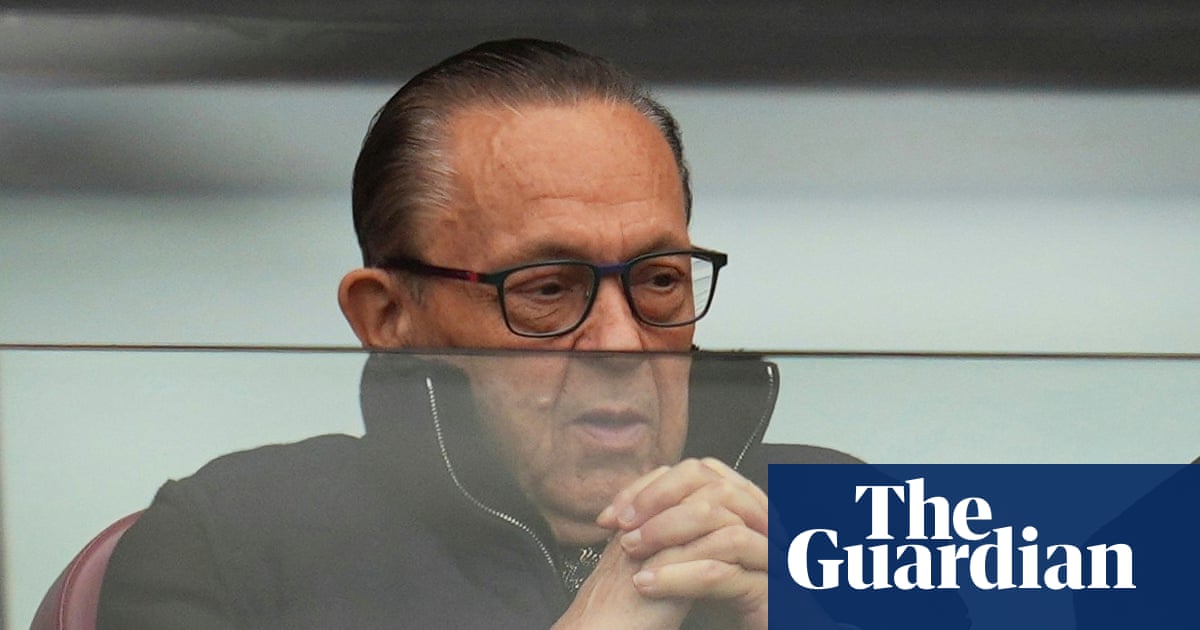
The West Ham landscape shifted permanently on June 6, 2026, when David Sullivan announced his immediate departure from the club. His exit follows intense scrutiny regarding his personal conduct and private business dealings. While supporters have voiced frustrations for years, the timing of this resignation confirms the board can no longer withstand the pressure of public accountability. This marks the end of a controversial era defined by profit-first pragmatism over sporting identity.
2. The Champions League Final Collapse
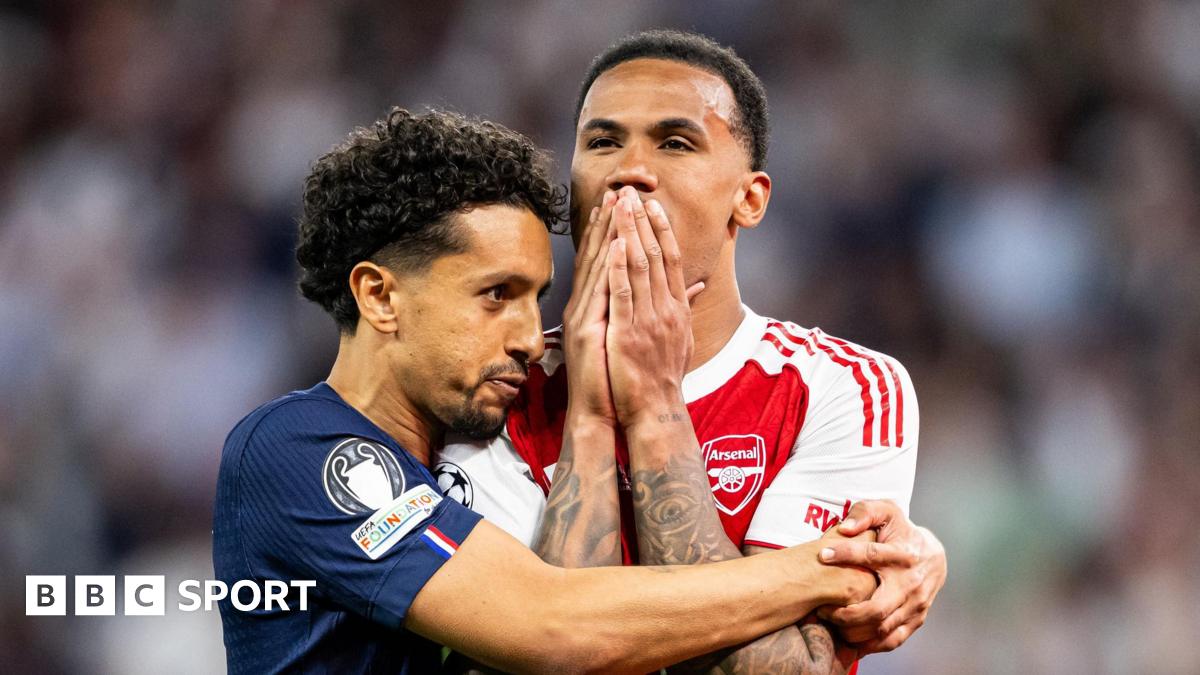
Arsenal’s defeat in the 2026 final remains the sporting heartbreak of the year. After a season of dominant league performances, the squad looked physically depleted under the bright lights of Wembley. Mikel Arteta’s tactical rigidity in the final twenty minutes allowed his opponents to dictate the pace of the game. It proved that despite technical brilliance, the squad lacks the cynical edge required to win major continental silverware.
3. The Iraola Pivot at Anfield
Liverpool’s decision to transition to Andoni Iraola for the upcoming season represents a massive gamble on high-pressing tactical modernization. Ownership has already signaled a complete overhaul of recruitment, moving away from legacy scouting toward a global search for World Cup prospects. Reports indicate this is not merely a managerial change but a fundamental shift in how the club values data over reputation. If this fails, the club risks two years of irrelevance while the squad acclimates to a high-risk system.
4. The Tactical Failure of High Lines
Across the top five leagues this season, the reliance on high defensive lines produced a record number of goals conceded on the counter. Coaches obsessed with possession failed to adapt to attackers who are faster and more clinical than ever before. It was a regression in defensive standards that made for entertaining television but questionable professional scouting. Expect a conservative return to mid-blocks once the tournament in North America begins.
5. The Rise of the 2026 Scout Corps
Arsenal has been scouting ten specific targets ahead of the tournament, signaling a frantic attempt to bolster a squad that faded significantly in May. This desperation underlines a failure in depth management during the January window. They are chasing the next breakout star while their competitors have already locked in primary targets. It is a reactive strategy that usually leads to overpaying for players who have had one good month.
6. The Sustainability Crisis
Mid-season financial reports showed three clubs in the Premier League operating at unsustainable wage-to-turnover ratios. The league’s failure to enforce its own spending caps remains the biggest black mark on the 2025/26 record. Fans deserve consistency, yet the rules seem to apply differently depending on annual revenue. This imbalance creates a ceiling for smaller clubs that, despite superior scouting, cannot retain talent for more than two seasons.
7. The Winter Schedule Compression
The decision to jam the domestic calendar to clear space for the mid-June tournament caused an unprecedented injury crisis. Every major club saw at least one key starter sidelined with soft-tissue issues by late April. It was a management disaster that prioritizes international revenue over player welfare. The upcoming World Cup will likely be defined by which teams manage to keep their stars healthy rather than which teams are the most talented.
8. The Coaching Merry-Go-Round
With four high-profile vacancies in the Premier League alone, we saw a rise in managers being sacked before the halfway mark of the season. This lack of strategic patience suggests that boards are now as reactionary as the social media fanbases they once ignored. The pressure to win immediately makes it impossible to build a cohesive philosophy. Short-term fixes rarely survive the realities of a 38-game schedule.
9. Defensive Midfield Devaluation
Surprisingly, the market for traditional defensive midfielders saw a dip this year as clubs pivoted to all-action, box-to-box profiles. Data teams argued that defensive stability is better achieved through collective pressing rather than a single specialist pivot. While statistically logical, this left many clubs vulnerable to creative playmakers. It is a trend that will likely be exploited by the top nations in the coming weeks.
10. The Emergence of the Teenage Breakout
Despite the tactical blunders of the year, the emergence of 17 and 18-year-old talents was the bright spot. These players proved that academy systems are finally producing high-level game changers capable of handling senior pressure. If these teenagers perform well in North America, their transfer valuations are expected to explode by 200% by the end of August. Betting on youth is the only way some clubs survive the modern financial grind.
The Big Picture
The 2025/26 season was a year of reckoning where old business models collided with the harsh realities of the post-pandemic football economy. Managers who failed to adapt to the breakneck pace of modern scheduling paid the price with their jobs, leaving the stage set for an unpredictable tournament that will serve as the ultimate evaluation of this year’s strategic landscape.
Honorable Mentions
- The surprise failure of the mid-season VAR transparency initiative.
- The record-breaking viewership numbers for the final weekend of the Premier League season.
- The continued decline of traditional target-man tactical setups in favor of false nines.