The Big Picture
The 2025/26 season is rapidly approaching its climax, and the noise is deafening across Europe. With the Champions League semi-finals kicking off on April 28 and the FIFA World Cup looming on June 11, the pressure cookers at the top clubs are cracking. We have seen tactical masterclasses, spectacular collapses, and a transfer market that refuses to calm down. The financial disparity between the top tier and the rest of the pack has never been wider. We rank the top 10 moments and storylines defining this chaotic campaign. These are the situations dictating the immediate future of the sport, judged on their immediate impact, tactical significance, and long-term fallout.
The Rankings
10. Tottenham's Midfield Surrender at Molineux
Spurs are currently in freefall, and the upcoming trip to Molineux looks like another nightmare waiting to happen. Ange Postecoglou’s high-wire setup is bleeding goals at an alarming rate, abandoning the midfield whenever they lose possession. Opponents figured out that a simple long ball over the top destroys their high line. As Sky Sports highlighted in their weekend predictions, Tottenham's woes are expected to multiply against a physical Wolves side. You cannot survive in the Premier League giving up 15 shots a game while your fullbacks are caught 40 yards up the pitch. This stubborn refusal to adapt the defensive shape serves as a masterclass in tactical inflexibility.
9. Chelsea's Make-or-Break FA Cup Semi-Final
Mauricio Pochettino’s squad faces an absolute ultimatum at Wembley this weekend. A massive reaction is expected in the FA Cup semi-final following a string of lifeless league performances that alienated the Stamford Bridge faithful. Cole Palmer cannot continue to carry a billion-pound squad on his back every week while the rest of the attack passes sideways. The defense looks incredibly vulnerable to direct counter-attacks, and the midfield pivot is consistently overrun by aggressive pressing systems. Win, and they keep their disappointing season alive for one more month. Lose, and the calls for yet another managerial change will become absolutely deafening by Monday morning.
8. Aston Villa's Brutal European Reality Check
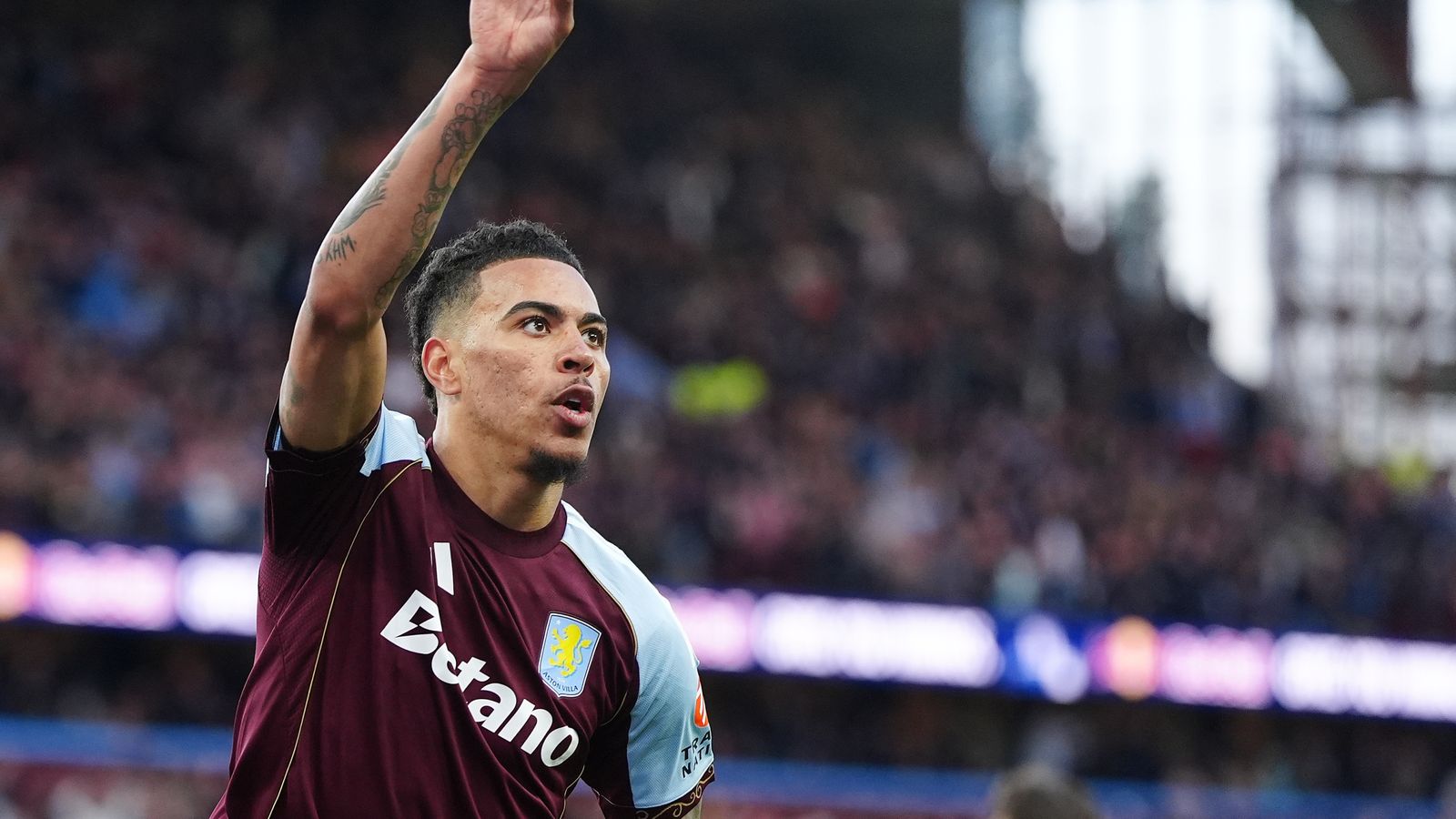
Unai Emery worked miracles to drag Aston Villa into the Champions League, but the reality of top-tier European football hit them hard. Playing high-intensity fixtures three times a week completely shattered their core rotation players. The squad depth simply was not there to compete on multiple fronts, leading to baffling domestic defeats against relegation candidates. Dropping valuable points after exhausting Tuesday night flights to Italy proved fatal to their ambitions of securing consecutive top-four finishes. The steep drop-off in Ollie Watkins' goal output since February tells the entire story of a team running completely on empty.
7. The Saudi Pro League Exodus Accelerates
The massive state-funded contracts lured plenty of big names over the past two years, but 2026 is officially the year of the return flight. Several high-profile stars pushed aggressively for January exits, citing empty stadiums, tactical boredom, and a total lack of competitive fire. This rapid disillusionment shifts the transfer market power squarely back to the European elite. The financial packages remain untouched, but the sporting relevance is hovering near zero for anyone under the age of thirty. Watching elite talents essentially retire in their prime has been a depressing subplot, making this exodus a welcome return to serious football.
6. Arsenal's Brutal Set-Piece Supremacy
Mikel Arteta has effectively turned a fluid football team into a ruthless basketball squad during dead-ball situations. Their corner routines are practically unstoppable, relying on intricate blocking schemes that leave opposing goalkeepers trapped on their goal lines. Gabriel Magalhaes has evolved into a prime target man inside the six-yard box, consistently bullying opposing center-backs in the air. It is not always beautiful, free-flowing football, but it wins massive away games on rainy Sunday afternoons. This mechanical, emotionless efficiency ranks high because it consistently secures points even when the primary attacking system completely misfires.
5. Manchester City's Rare Midfield Collapse
Rodri's brief absence for a massive stretch of the winter exposed Pep Guardiola's only glaring blind spot. Without their Spanish anchor dictating the tempo, City actually looked like a normal, vulnerable football team. The transition defense crumbled almost immediately, and opponents quickly realized that running directly at the back four yields high-quality scoring chances. Guardiola tried stuffing Bernardo Silva and Mateo Kovacic into the pivot, but the physical presence was entirely missing. They are still overwhelming favorites to win silverware, but that three-week wobble proved the invincible aura is finally cracking.
4. Real Madrid's Galactico Traffic Jam
Carlo Ancelotti has a massive tactical headache that he is barely masking with sheer individual brilliance. Fitting Kylian Mbappe, Vinicius Junior, and Jude Bellingham into the same starting eleven looked terrifying on paper, but the reality is incredibly disjointed. On the pitch, they constantly crowd the exact same left-sided half-spaces, leaving the right wing entirely isolated. The goals are still flowing because of their overwhelming natural talent, but the collective defensive work rate is essentially zero against elite pressing teams. They rely purely on moments of magic rather than a cohesive attacking system, which is a massive liability in Europe.
3. Bayer Leverkusen's Invincible Hangover
Last year's historic, unbeaten magic has completely faded in the Bundesliga. Xabi Alonso managed to keep his core group together, but the domestic dominance slipped away almost immediately in August. Bayern Munich took full advantage, ruthlessly exploiting Leverkusen's newly found defensive frailties during transition moments. Opposing managers finally figured out how to block the central passing lanes that Jeremie Frimpong and Alejandro Grimaldo rely on to create chances. It is a harsh, sobering reminder that repeating as domestic champions requires constant tactical evolution, not just running the exact same successful system a second time.
2. The Looming Shadow of the 2026 World Cup
The upcoming tournament in North America is hanging over every single decision made in club football right now. Players are quietly managing their own minutes, pulling out of 50-50 tackles, and hyper-fixating on minor muscle tweaks to avoid missing the June 11 kickoff. The expanded 48-team format guarantees more games, but the quality of the bloated group stages is a massive, lingering concern for purists. FIFA prioritized broadcasting revenue over player welfare, and fans will likely get a watered-down, exhausted product until the knockout rounds begin. The tension between club commitments and international dreams has never been higher.
1. The Champions League Semi-Final Gauntlet
Everything in the club calendar builds directly to April 28. The Champions League semi-finals remain the absolute, undisputed pinnacle of the sport, offering a level of intensity that international football rarely matches anymore. Domestic league titles reward nine months of consistency, but these two-legged European ties define permanent managerial legacies. The remaining four clubs feature the most ruthless, heavily-funded tactical setups on the planet. The margins for error are microscopic, and a single defensive lapse in the 89th minute can easily ruin a billion-dollar sporting project. Whoever survives the absolute chaos of the next two weeks writes their name directly into history.
Honorable Mentions
Liverpool's quiet consistency under their new regime, Manchester United's continued boardroom shuffling, and the rapid rise of teenage prospects bypassing the academy system entirely to play first-team minutes all deserve a nod. Ultimately, they lacked the seismic impact of our top ten.