The Defining Shifts
The 2025/26 season is accelerating toward its climax with a chaotic blend of title race pressure and knockout football stakes. From tactical masterclasses to defensive collapses, these ten moments dictated the hierarchy of European football as we head into the Champions League quarter-finals. The Big Picture reveals a season defined by depth rather than raw talent alone.
The Ranking
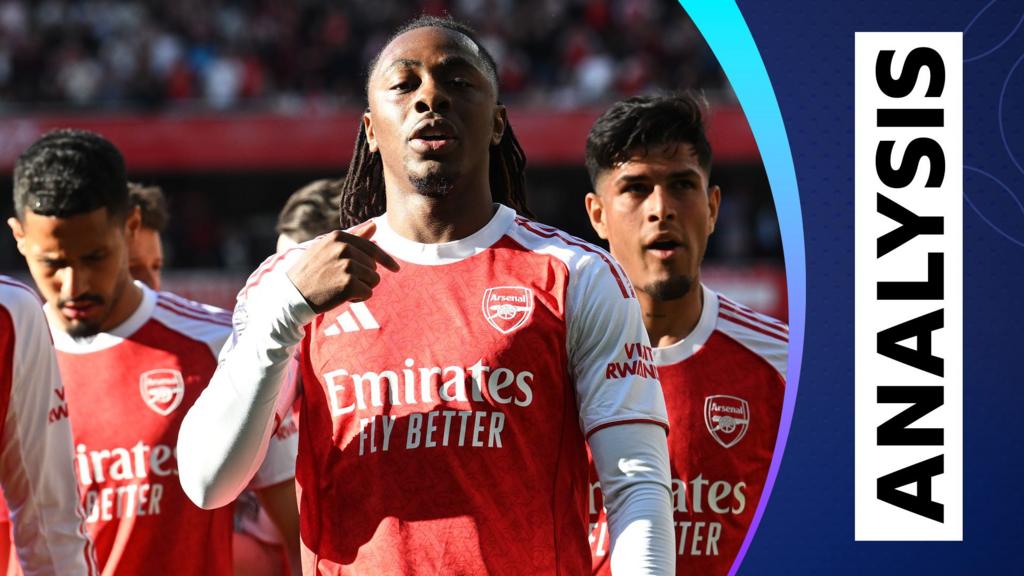
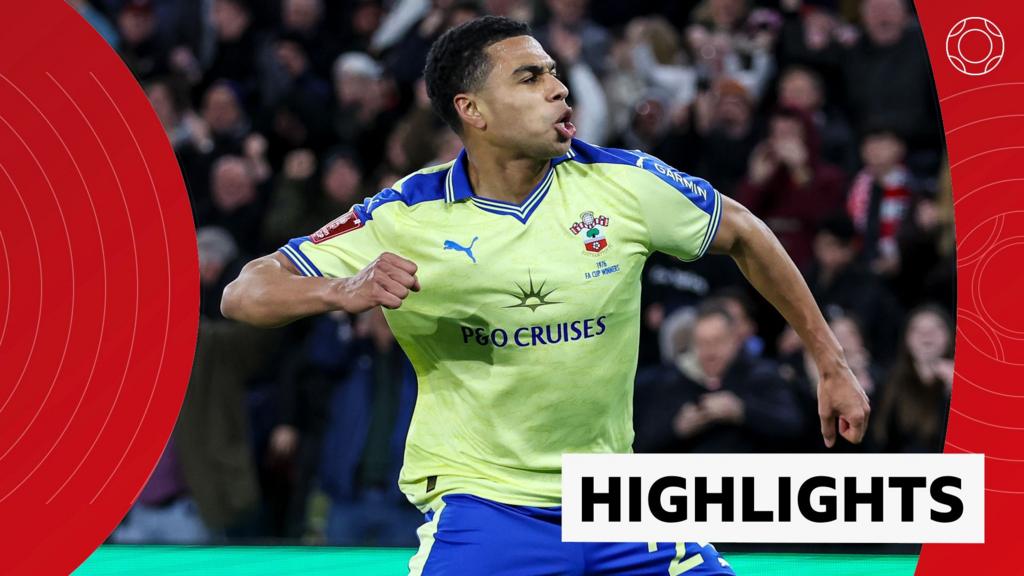
- Shea Charles' 88th-minute thunderbolt for Southampton: This FA Cup quarter-final upset at the Emirates Stadium exposed significant cracks in Arsenal’s defensive rotation. Charles drove a low effort into the bottom corner, effectively ending the Gunners' treble aspirations in a single stroke. While Arsenal remains atop the Premier League, this loss highlights a recurring fragility in cup competitions. It serves as a reminder that Mikel Arteta's squad depth is essentially non-existent compared to their title rivals.
- Erling Haaland’s FA Cup hat-trick against Liverpool: Manchester City’s destruction of Liverpool felt like an exorcism of recent demons. Haaland moved with a predatory efficiency, exploiting high lines to bury three clinically taken chances. This 4-0 result signaled that the Etihad squad has finally rediscovered its post-January rhythm. It sets the ceiling for what the club can achieve when they enter the Wembley semi-finals with momentum.
- Rommens' injury absence at Ibrox: Rangers' title push hit a logistical snag when their primary midfield pivot was ruled out against Dundee United. Danny Rohl’s system depends entirely on his ability to transition from defense to attack at speed. Without him, the team looked disjointed and overly reliant on long balls. The decision to keep the injury details private suggests a deeper frustration within the medical staff.
- The collapse of the early season underdog trend: Over the first three months, promoted clubs were collecting points at an unsustainable rate. By March, however, the brutal reality of a 38-game schedule decimated their squads. Fitness levels dropped, and tactics were studied into irrelevance by veteran managers. This regression illustrates the widening gap between the elite and the rest of the league.
- Real Madrid’s late-stage UCL tactical switch: Carlo Ancelotti shifting to a three-man backline saved their season in the round of 16. It allowed for better cover against pacey counter-attacks and solidified the midfield. This adjustment proved that even an aging squad can find new life with the right structural tweaks. Critics argued it was too conservative, but the results proved otherwise.
- The unexpected fall of the Leverkusen invincibles: After a near-perfect run, the squad finally showed signs of fatigue in mid-February. Consecutive dropped points against lower-table opposition halted their momentum toward a domestic clean sweep. It was a failure of focus, not ability, and perfectly underscores the psychological tax of a relentless campaign.
- The emergence of youth talent in the domestic cups: Academy products across the continent have been utilized more frequently due to the sheer volume of fixtures. This necessity has unearthed genuine starting-level talent that clubs would otherwise have sent out on loan. It represents the only positive byproduct of an overly congested schedule.
- The tactical discipline of the Premier League middle-class: Mid-table sides are no longer content with playing for a draw against the top six. Their willingness to press high has caused countless errors from elite defenders. It has made every weekend fixture a genuine gamble for the traditional giants.
- The controversial VAR intervention in the Milan derby: A late penalty call altered the season's trajectory for both clubs in a singular, frustrating minute of play. Technology interference continues to undermine the flow of the game despite the technical precision of the decision. This moment reignited the debate regarding how much human error we are willing to sacrifice for mathematical accuracy.
- The appointment crisis at mid-season: Several major clubs fumbled their managerial transitions, leading to interim coaches struggling to implement new philosophies. These teams effectively wasted three months of progress while waiting for summer vacancies. It stands as a cautionary tale about long-term planning versus short-term panic hiring.
Honorable Mentions
The late-January injury crisis in Serie A, which forced a total re-evaluation of squad rotations, and the unexpected tactical evolution shown by mid-table clubs in the FA Cup, narrowly missed the cut. These factors have contributed to a season that feels remarkably unpredictable compared to the previous decade of dominance by the same three or four squads. The upcoming Champions League knockout rounds will ultimately determine if these moments are just footnotes or the start of a genuine shift in power dynamics.
Read Next
- Arsenal's FA Cup exit reveals deeper issues under pressure
- Chelsea's defensive depth faces stress test after early injury setback
- Chelsea and Port Vale are about to break the internet
- Arsenal’s FA Cup gamble on Max Dowman is high-risk theater
- 🏆 FA Cup Final 2026 — May 16, Wembley
- ⭐ UCL 2026 — Champions League Quarter-Finals Hub