The Global Impact of 2026
The 2026 World Cup has forced a shift in how the sport balances legacy against emerging narratives. These ten moments define a tournament characterized by parity, off-pitch media surges, and unpredictable officiating.
10. The Cape Verde Draw
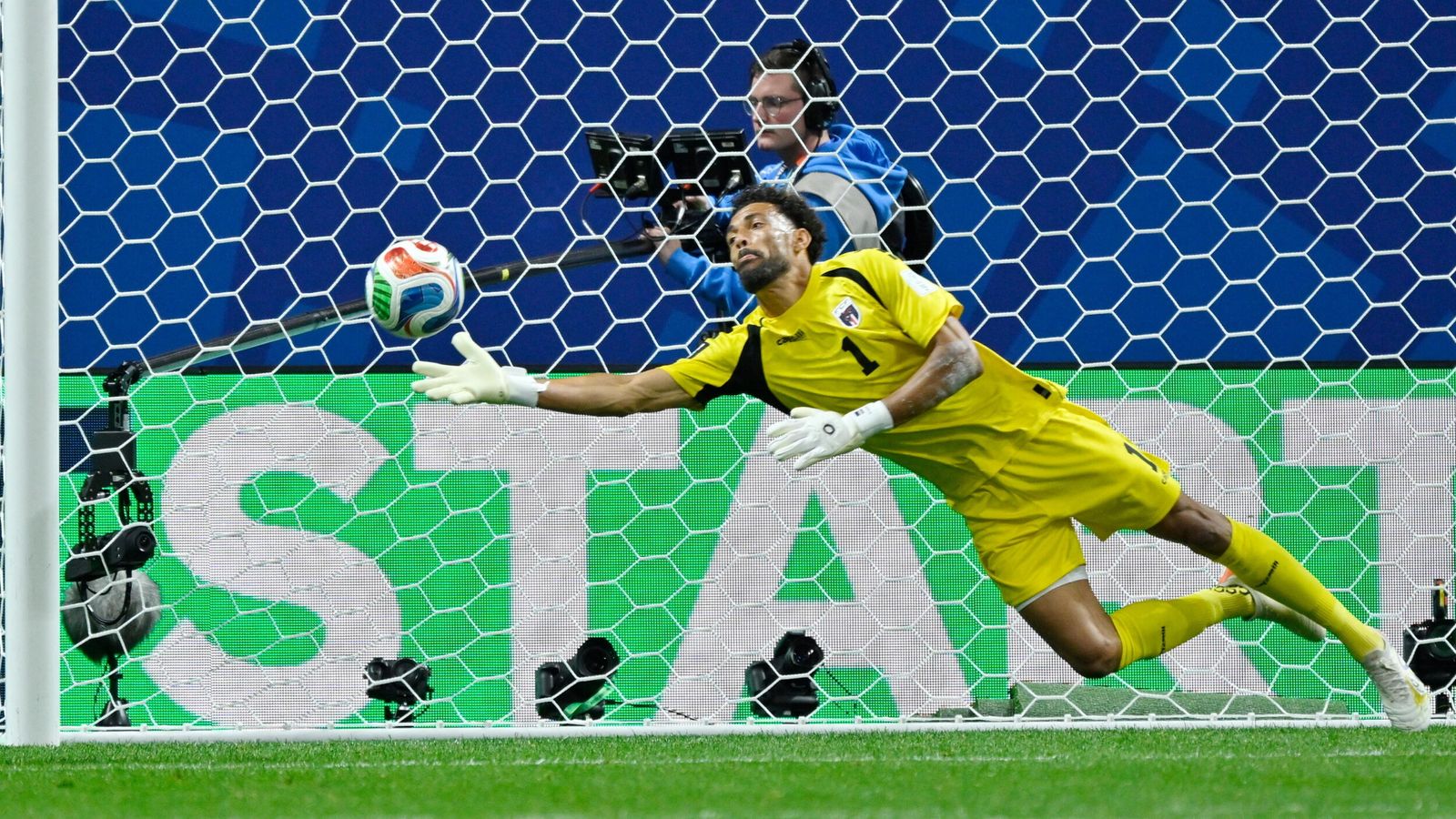
Cape Verde held Spain to a stalemate, sending shockwaves through Group F. Statistics show the goalkeeper recorded 11 saves in that match, arguably the best singular performance of the group stage. As Sky Sports has detailed, the keeper’s social media footprint spiked by millions overnight. However, the game exposed Spain's systematic inability to convert high-possession play into meaningful goals.
9. VAR Intervention in the Semifinals
A contentious handball call wiped out a late equalizer, effectively deciding the outcome at the 88th minute. Referees ruled the defender's arm position was unnatural, though replays suggested the initial contact was outside the box. This moment highlighted the persistent tension between technology and human interpretation. It ranks low because controversies regarding officiating rarely improve the game's actual quality.
8. Canada’s First Goal on Home Soil
The crowd erupted when the host nation finally broke the deadlock against a disciplined defensive unit. This strike, coming in the 34th minute, solidified Canada as a legitimate contender during group play. It gave the tournament the jolt of energy required to sustain local interest after a sluggish start. Critics argue the celebration lasted far longer than the quality of the finish warranted.
7. The Retirement of a Generation
Two legendary midfielders hung up their boots in a double announcement directly following their third-place exit. Both players combined for 260 international appearances over a staggering 14-year period. Their departure marks the end of a tactical era defined by high-pressing, possession-based football. Future squads will struggle to replace the leadership they provided on and off the pitch.
6. The Upsets of North America
The host nations utilized home-field advantage to dismantle higher-ranked European opponents. Three matches in particular saw top-tier nations drop points due to defensive lapses and fatigue. This volatility is precisely what this tournament needed to prevent stagnation. It keeps fans engaged, though it highlights a worrying dip in quality for several historic footballing powerhouses.
5. The Penalty Shootout at the Quarterfinals
Only two out of ten spot-kicks were missed, bringing a clinical efficiency to the dramatic conclusion of the match. The winning penalty, placed into the top left corner, sent a nation to the final four for the first time in history. Every step of the kicker's run-up was analyzed in real-time, showcasing the immense pressure professional athletes carry. It remains arguably the most stressful viewing experience of the month.
4. Morocco’s Defensive Masterclass
Morocco shut out a powerhouse attacking lineup for, remarkably, 120 minutes of play. Their organization at the back allowed them to force high-value turnovers in the middle third throughout the second half. It proved that discipline often overcomes star-studded rosters prone to complacency. While boring to some, it was a tactical masterclass in preventing high-percentage shots.
3. The USA Tactical Shift
The national team abandoned their traditional 4-3-3 for a more aggressive 3-5-2 against a formidable South American giant. This move unlocked the full-back role, leading to two quick goals inside the first 20 minutes. It was a risky strategy that nearly backfired defensively, yet it paid off in the final scorecard. Managers rarely take such risks at this high level of competition.
2. The Final Whistle at the Opener
The opening ceremony noise finally ceased, shifting focus to the actual sport. The match ended with a scoreline of 2-1, giving the host nation an early win to build tournament momentum. It was the moment the public stopped speculating about logistics and started paying attention to the game. Still, the defensive lapses shown by both sides raised questions about tournament-wide preparation stability.
1. The Goal of the Tournament
A 30-yard strike in the round of 16 silenced a stadium of 80,000 people. The technical ability required to strike a drifting ball with that power and accuracy is the highest pinnacle of the game. It defines the tournament as a highlight-based event that fans will revisit for decades. Everything else pales in comparison to the sheer audacity of the shot selection.
Honorable Mentions
- The surprise substitution in the second half that led to an immediate impact.
- The record-breaking attendance figures reported during the middle group phase.
- The missed penalty in the knockout stage which shifted the bracket balance.