The Path to Glory
The history of the FIFA World Cup is a collection of fleeting brilliance and agonizing near-misses. These ten moments stand above the rest because they altered the trajectory of nations and redefined the sport’s ceiling.
The Ranking
France 1998, Zinédine Zidane’s header. Zidane scored two identical headers in the opening 27 minutes against Brazil to seal a 3-0 victory. This performance elevated him to global icon status and proved home-field advantage counts. It ranks first because it buried the idea that France was a perpetual bridesmaid.
Germany 2014, Mario Götze’s volley in the 113th minute. The 1-0 scoreline against Argentina in the final was the result of pure, technical precision from a substitute. It remains the gold standard for clinical finishing under ultimate pressure. It barely edges out other final goals due to the tactical exhaustion displayed by both squads.
Italy 2006, Fabio Grosso’s late surge. Grosso scored the decisive goal against Germany in the 119th minute of the semifinal and then netted the winning penalty in the final. His emergence as an attacking threat from left-back changed how modern teams view full-back utility. It ranks third for pure narrative spontaneity.
South Africa 2010, Andrés Iniesta’s 116th-minute strike. Spain finally shed their reputation as losers on the big stage with this low drive past Maarten Stekelenburg. It was the peak of tiki-taka football, proving control could overcome physicality. It sits here because it rewarded years of Spanish possession dominance.
Uruguay 1950, The Maracanazo. Alcides Ghiggia’s winner against Brazil silenced 200,000 fans in Rio de Janeiro. This serves as the ultimate cautionary tale regarding the arrogance of favorites in international play. It ranks fifth as the most shocking upset in the history of the tournament.
South Korea 2002, Ahn Jung-hwan’s golden goal. This header ended Italy’s tournament and sent the hosts to the quarter-finals during a wild, controversial run. It stands as a reminder of how home-crowd energy can influence refereeing and momentum. It ranks sixth due to the sheer chaos it injected into the bracket.
Mexico 1986, Diego Maradona’s solo run vs England. Leaving five English defenders in his wake, Maradona redefined what an individual could do in a midfield battle. While the Hand of God often draws more attention, this goal was pure footballing genius. It ranks seventh only because the preceding foul calls in that tournament remain highly questionable.
Qatar 2022, Lionel Messi’s penalty crown. By leading Argentina to victory, Messi silenced the final critics of his legacy during an 80-minute masterclass. Converting his spot kick to put his team ahead showcased ice-cold composure. It ranks eighth for the emotional weight it carried for a veteran roster.
Japan/Korea 2002, Rivaldo’s dive. This instance of simulation against Turkey became a symbol for the darker, cynical side of modern football. Critics still point to this as a moment that degraded the integrity of officiating. It earns a spot for being a low moment that fans still debate two decades later.
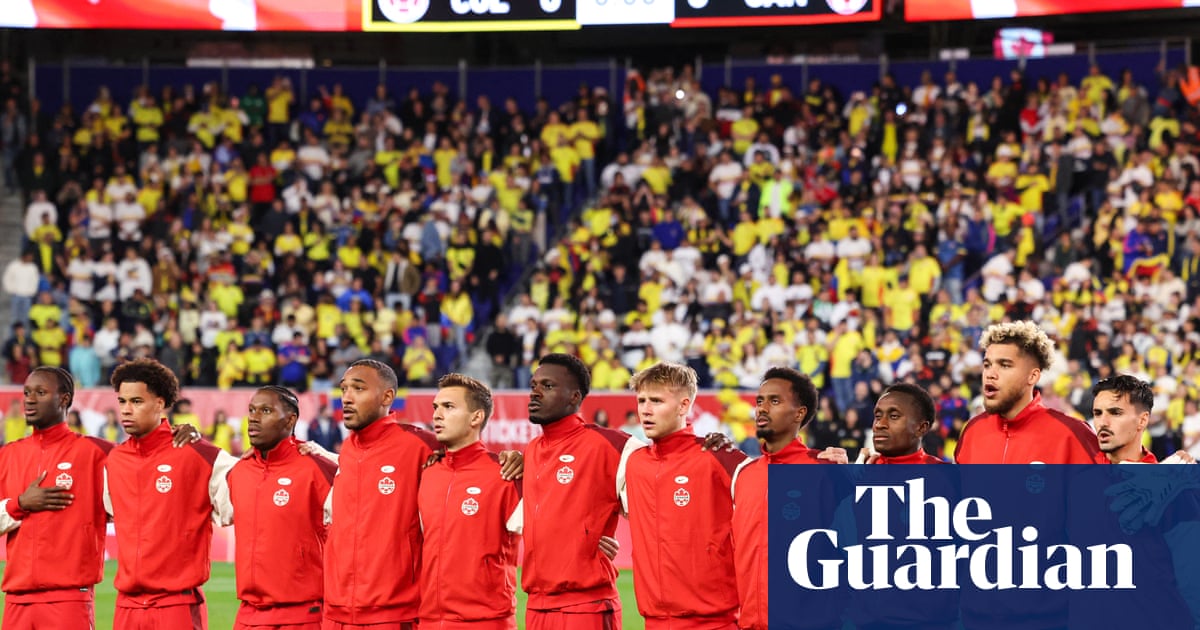
Canada 2026, The build-up. As The Guardian reported, Jesse Marsch has the team in top form, though injuries to Alphonso Davies and Moïse Bombito cast a shadow. This ranks tenth for the current tension surrounding the hosts, proving that fitness concerns can derail a historic cycle before it even starts.
The Big Picture
Moments in football exist between the perfection of the strike and the failure of the defense. Whether these moments define a nation or a reputation, they are the reason millions of us watch every four years.
Honorable Mentions
Ronaldo’s rehabilitation in 2002 remains the best comeback arc in sports history. Additionally, the penalty shootout between Ghana and Uruguay in 2010 serves as a reminder that pure luck often dictates history more than tactics ever will.