Measuring Greatness Through Hindsight
The history of football isn't written in trophies alone; it's etched into single, high-stakes incidents where technical precision meets irrational pressure. We are ranking the 10 most influential moments that shifted how the sport is played, coached, and consumed globally.
These selections ignore generic flair. They prioritize events that broke the established order of the game, forcing managers to change tactics the following morning.
The Ranking of Defining Moments
- 1954: The Miracle of Bern. Ferenc Puskas and Hungary were the best team in the world, unbeaten for four years, yet somehow lost the final to West Germany after leading 2-0. This result proved that tactical discipline could overcome pure technical superiority, serving as the blueprint for every underdog story since.
- 1966: The Ghost Goal. Geoff Hurst’s hit against the crossbar remains the most scrutinized incident in FIFA history. While modern VAR systems would have cleared the confusion instantly, the uncertainty fueled a decade of debate that essentially necessitated the eventual move toward automated goal-line technology.
- 1974: The Introduction of Total Football. Rinus Michels and Johan Cruyff dismantled the formal positions of the sport during the group stages. By treating every player as a fluid participant, they turned back-line defenders into offensive threats, shifting the tactical focus away from static roles forever.
- 1986: The Hand of God. Diego Maradona achieved the impossible by blending supreme individual skill with unfiltered cynical foul play in the same 90-minute window against England. It is the ultimate display of footballing duality, showcasing how one man could defy both physics and the rulebook to win a quarter-final.
- 1992: The Back-Pass Rule Change. FIFA introduced the restriction on keepers handling deliberate back-passes to stop time-wasting. This single law change forced keepers to become ball-playing participants, demanding that players like Peter Schmeichel develop footwork that was largely irrelevant for previous generations.
- 1999: The Treble Completion at Camp Nou. Manchester United scoring two goals in injury time to snatch the Champions League title is the peak of psychological volatility in the sport. It remains the most famous comeback because it effectively broke Bayern Munich’s spirit in under 120 seconds, proving that focus is more important than stats.
- 2005: The Miracle of Istanbul. Liverpool’s recovery from a 3-0 deficit against AC Milan remains a baffling tactical oversight by Milanese management. By failing to lock down Steven Gerrard in the second half, they allowed the greatest collapse in a major European final, highlighting the dangers of early complacency.
- 2010: Spain's Tiki-Taka Hegemony. The World Cup win in South Africa marked the absolute peak of ball possession as a defensive weapon. While aesthetically pleasing, it was actually a stifling, tedious style that forced the rest of the world to spend a decade learning how to counter-press effectively.
- 2014: Germany's 7-1 Demolition of Brazil. This remains the most humiliating defeat in World Cup history for a host nation. It wasn't just a loss; it was a structural collapse of an entire footballing culture that took years to rebuild, proving that heritage offers zero protection against a clinical, organized machine.
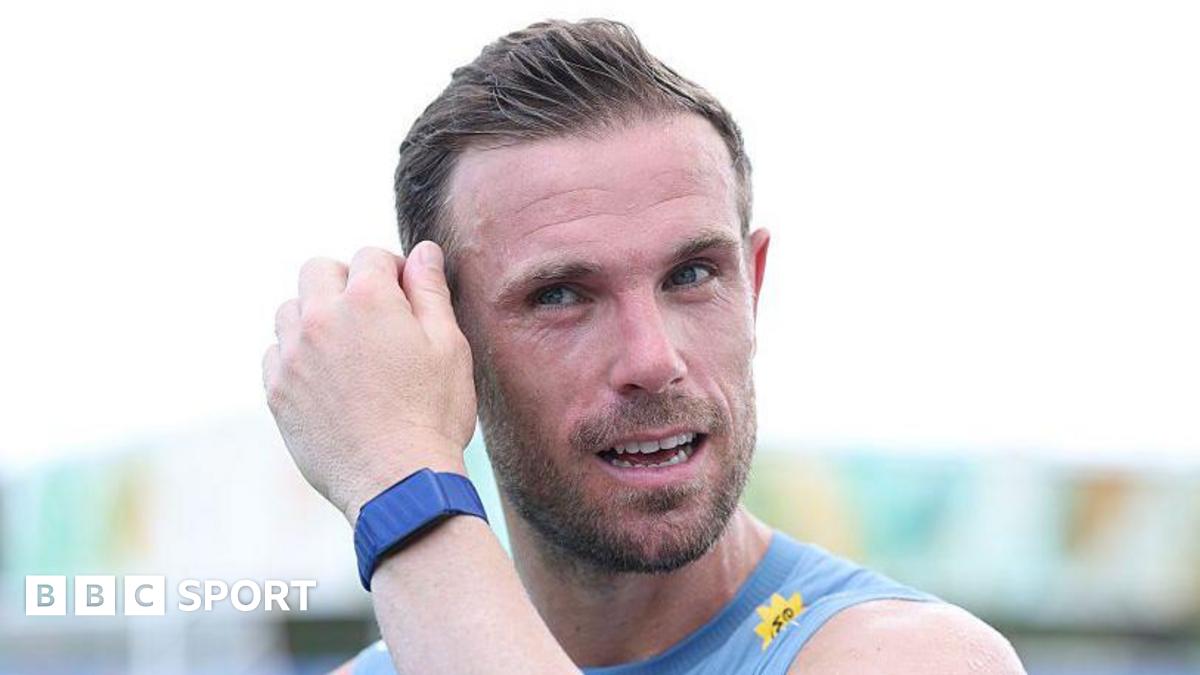
- 2024: The Rise of High-Intensity Pressing. While not a single goal, the modern transition to 90-minute counter-pressing defined the current era. It demands levels of physical conditioning that would have been impossible in the 1990s, though it leaves heavy burdens on player health, as discussed by Jordan Henderson regarding climate adaptation and training intensity.
The Flaws in the Narrative
We need to address the structural failures in these so-called iconic moments. The 2010 Spanish team, while dominant, ushered in a period of suffocating football that nearly destroyed the viewing experience for domestic leagues. Managers prioritized keeping possession over taking risks, leading to a decade of snooze-fest draws that only recently corrected.
Furthermore, the fixation on "Miracles" like 2005 ignores the fact that these moments are often the result of poor coaching decisions rather than genuine displays of sporting quality. AC Milan losing a 3-0 lead wasn't just a Liverpool win; it was an tactical disaster that shouldn't happened at the elite level. We celebrate these mistakes as legendary, when they are really just examples of professional negligence.
Honorable Mentions
Honorable mentions include Zinedine Zidane’s 2006 headbutt, which effectively retired a legend in the worst way possible. Additionally, the release of the Bosman Ruling in 1995 changed the financial power dynamics more than any on-field event ever could. These moments almost made the cut but ultimately lacked the pure tactical shift defined by the top ten.