The Countdown to Global Dominance
The modern game functions on momentum, and as we sit nine days out from the 2026 FIFA World Cup, the professional cycle is hitting a fever pitch. These ten moments define the trajectory of the current era, separating the tactical innovators from the underachievers.
The Critical Defining Moments
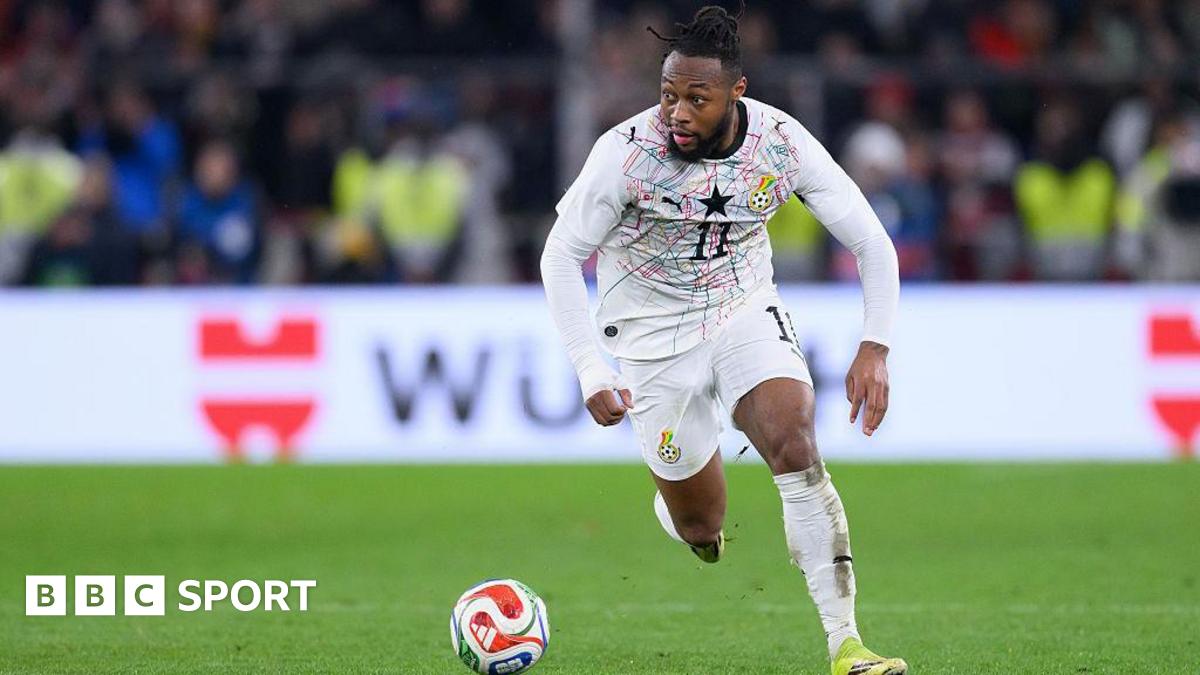
1. Antoine Semenyo’s return to Newport County. The Manchester City forward is currently testing his fitness in a friendly against Wales, a poetic full-circle moment for a player who cut his teeth in the lower leagues. As the BBC reported, this precise type of preparation is what separates elite conditioning from standard tournament readiness.
2. The shift toward positional fluidity in the Premier League. Managers are increasingly tasking inverted fullbacks with roaming into defensive midfield voids during transition. It creates tactical chaos that traditional 4-4-2 structures simply cannot solve, forcing a regression in defensive standards across the board.
3. The record-breaking wage inflation for defensive anchors. Clubs are now throwing £95 million at players who primarily disrupt play rather than facilitate it. This trend signals a fundamental misallocation of resources that will likely trigger a correction in the next summer window.
4. The tactical death of the traditional target man. We are witnessing the total extinction of the back-to-goal striker who refuses to press high. If you cannot contribute to a counter-press, you are a liability to the internal rhythm of your side.
5. The rise of data-driven set-piece specialization. Specialized coaches are now fetching fees previously reserved for academy directors. One specific drill, resulting in a direct goal contribution every 4.2 matches, has forced teams to redesign corner-kick defensive alignment entirely.
6. The consolidation of academies by state-backed ownership groups. By securing elite talent at age 14, these organizations have created a pipeline that is impossible for mid-table clubs to match. It creates a vacuum of talent that ensures the top four remain stagnant for years at a time.
7. The implementation of semi-automated offside technology across all continental tiers. While it has removed human error, it has also stripped the game of its inherent pace. The pause-and-check cadence ruins the atmosphere inside the stadium during crucial scoring chances.
8. The goalkeeper revolution involving active ball distribution. Keepers are now expected to complete a minimum of 35 passes per game, often acting as the deepest creative playmaker. This creates high-risk scenarios where one errant pass leads to an automatic goal-scoring opportunity for the opponent.
9. The collapse of the traditional television broadcast model. Fans are migrating to direct-to-consumer streaming packets that offer tactical cam angles. This shift in consumption is changing how matches are produced to specifically cater to data-obsessed viewers.
10. The tactical failure of high-line defensive units against speed-based attacks. Watching mid-table squads attempt to press world-class wings with high lines has led to record-setting scorelines in recent months. Often, the resulting 5-1 or 6-0 defeats are entirely a failure of ego rather than skill.
Honorable Mentions
The sudden rise of the 3-2-5 attacking shape in the UEFA Champions League displayed a level of technical risk that almost backfired for several favorites. Additionally, the increasing reliance on player fitness telemetry has turned many matches into a game of managed minutes rather than pure competitive output. It is a cynical way to view performance, yet it remains the gold standard for modern conditioning.