The Anatomy of International Dominance
International friendlies are often dismissed as glorified training sessions, but occasionally a single match signals a shift in team form. When a side dismantles an opponent with clinical precision, the output serves as a blueprint for upcoming tournament play.
These performances are defined by tactical cohesion and the refusal to let the foot off the gas. Here are the ten most clinical displays that have defined recent international window windows.
1. Scotland vs. Bolivia (June 2026)
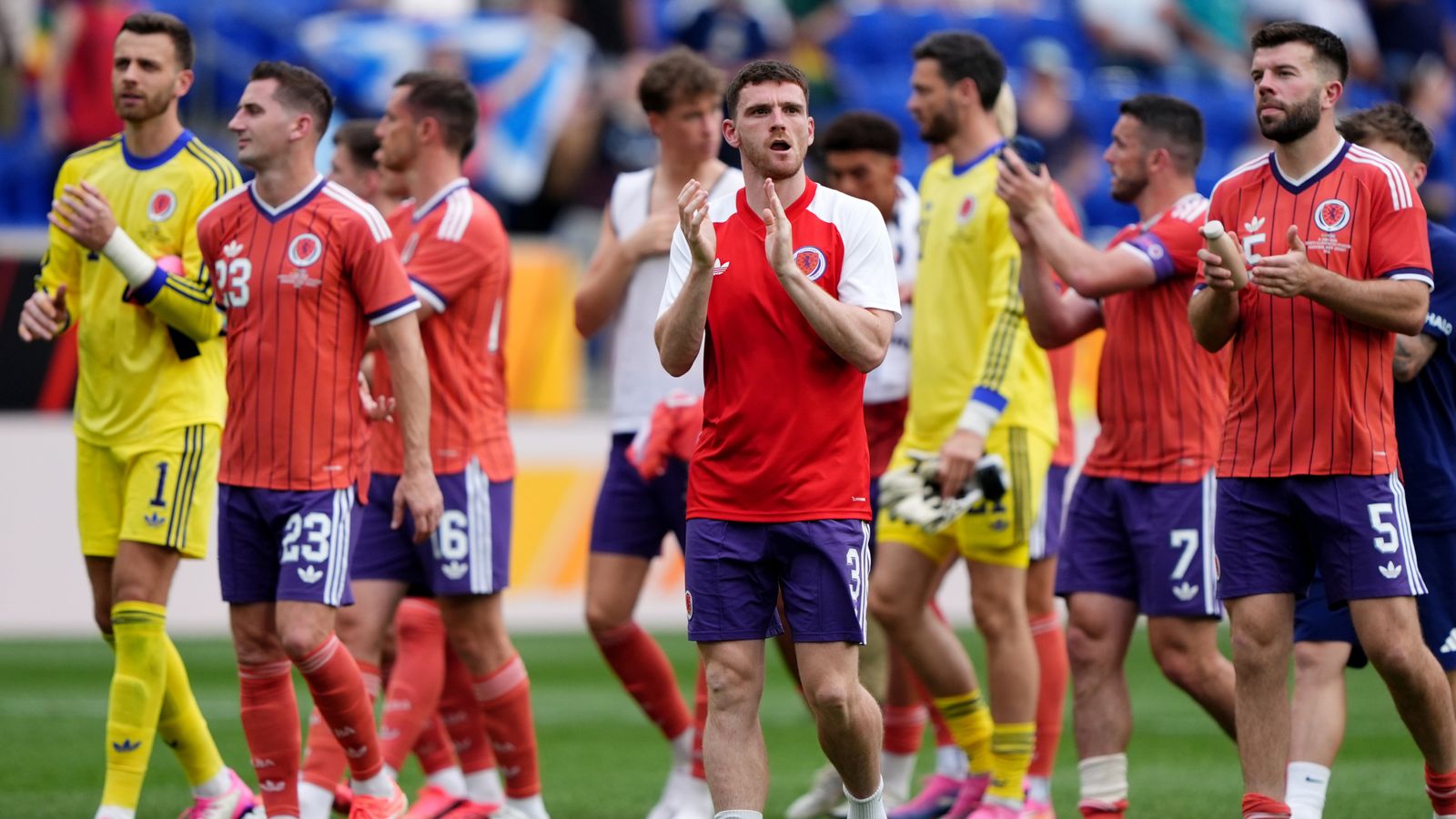
Scotland’s recent dismantling of Bolivia serves as the peak of tactical ruthlessness in the lead-up to the World Cup. With Scott McTominay and Che Adams repeatedly carving through the defense, the team displayed a level of fluidity rarely seen in their previous cycles. Scotland were chasing a fifth goal by the closing stages, showing an aggressive hunger that is often missing in exhibition matches. As Sky Sports live reporting noted, the cohesion between Adams and his midfield was near surgical. This performance places them first purely for the relentless nature of their attack through all 90 minutes.
2. France vs. Netherlands (UEFA Nations League)
This match demonstrated what happens when world-class talent decides to execute a high-press system with zero hesitation. The French midfield stifled every attempt by the Dutch to move out of their third, forcing turnovers that led to quick-strike goals. While the final scoreline was 4-0, the dominance extended well beyond the net score. It proved that France can rotate their squad and still maintain an elite standard of pressure.
3. Argentina vs. Bolivia (World Cup Qualifier)
Playing in high-altitude environments often serves as an excuse for stagnant football, but Argentina ignored the atmospheric challenges here. Lionel Messi dictated the pace from the center circle, orchestrating three goals that broke the away side's spirit within 45 minutes. The defensive line held a razor-thin shape, preventing any counter-attacking hope. It ranks third because the team displayed patience despite the brutal physical toll of the environment.
4. Japan vs. Germany (International Friendly)
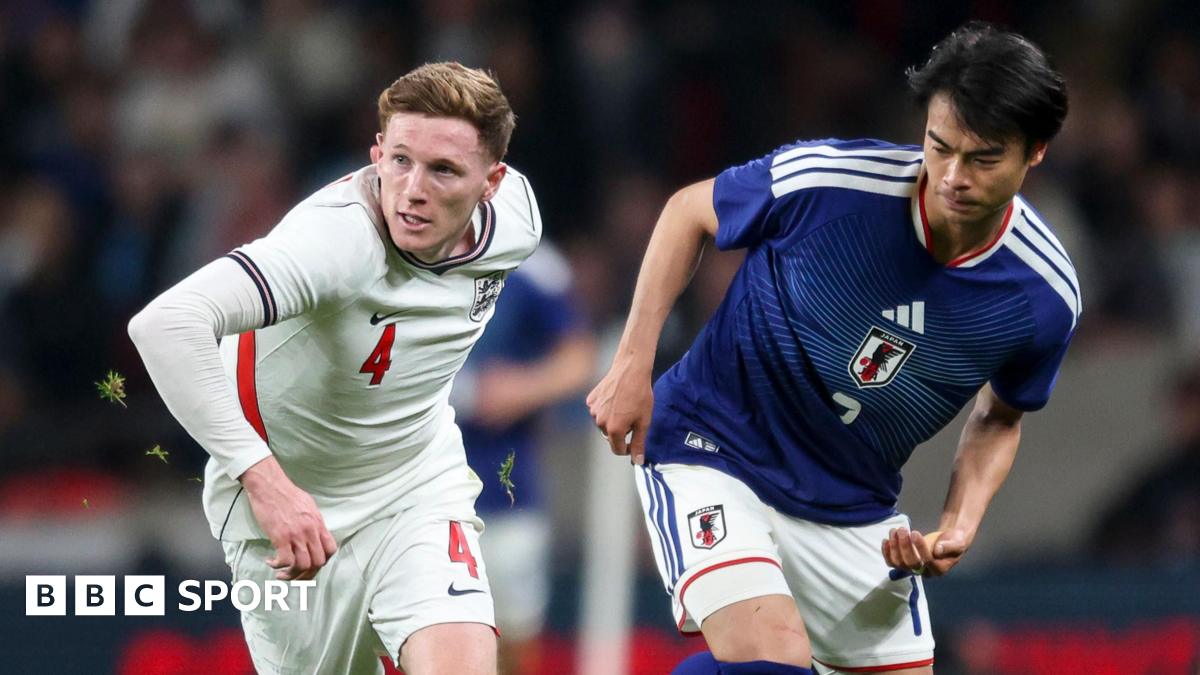
Japan’s tactical discipline turned a supposed tune-up match for Germany into a clinic on defensive transitions. By soaking up possession and hitting with blistering speed on the wing, they dismantled a superior roster. The tactical discipline required to maintain that block for the full duration of the match was immense. If not for two late defensive lapses, this would have been a perfect performance.
5. Portugal vs. Luxembourg (UEFA Euro Qualifier)
Portugal dominated this match with such extreme technical superiority that it bordered on unfair. The movement off the ball made the opposition defense look rooted to the turf for the entire duration of the first hour. While the opponent was lower-tier, the professionalism in keeping the intensity at a 10 out of 10 for the full duration is an underrated skill. Most favorites would have slipped into a lower gear midway through, but Portugal continued to hunt for gaps.
6. Brazil vs. South Korea (Friendly)
Brazil’s movement in this match was designed for highlight reels, featuring individual flare that successfully opened up a stubborn defensive structure. The connection between the front three was arguably the best we have seen in this calendar year. However, the lack of defensive transition awareness in the final 20 minutes keeps them out of the top five. When the lead is 3-0, the focus should not shift to tricks at the expense of shape.
7. Spain vs. Georgia (Euro Qualifier)
Spain maintained 75 percent possession, suffocating the opposition into total submission. The patience shown in the final third, despite a dense low block, proved they have evolved beyond just passing for the sake of completion. They scored 7 goals, showing a rare killer instinct we have not seen from this iteration of the squad. The only knock is against the lack of pressure they faced in the middle of the pitch.
8. England vs. Montenegro (Euro Qualifier)
England’s capacity to exploit wide areas here was textbook modern wing play. They utilized overlapping runs to pull the defense apart, creating lanes for central midfielders to exploit with late runs into the box. It was effective, but the pace of the match was largely dictated by the opponent's inability to adjust their formation. It stays at eight strictly because the test was too easy to gauge true progress.
9. Morocco vs. Belgium (World Cup Group Stage)
The intensity here was staggering, with Morocco executing a counter-attack plan that functioned like a well-oiled machine. They absorbed waves of pressure and struck with perfect timing in the 73rd minute. This is a classic example of a disciplined team playing to their ceiling against a disjointed giant. It ranks lower because Belgium's internal chemistry issues clearly contributed to the result.
10. USA vs. Mexico (Nations League Final)
The rivalry stakes brought a level of edge and physical consequence that most friendlies lack. The game turned on a set-piece transition after a yellow-card-filled first half that saw both sides struggle to keep 11 men on the pitch. While not the most technically beautiful match, it was easily the most high-stakes live event of the year. The lack of defensive rigor in the final 15 minutes drops it to the bottom of the list.
Honorable Mentions
Uruguay’s gritty 1-0 win over Colombia provided a masterclass in dark-art tactics and defensive organization. Additionally, the recent intensity displayed by Adams as outlined in Sky Sports coverage shows that individual form remains the ultimate deciding factor in international football fixtures.