Strategic Analysis of Elite Match-ups
The tactical battle in modern football often comes down to individual brilliance piercing rigid defensive schemes. Analyzing performances against top-tier opposition reveals which players can maintain intensity when space is nonexistent and the pressure is at a season-high.
We are dissecting the performances that defined the recent international break and the fallout from major club fixtures. These ten displays highlight who rose to the occasion and who faltered during high-stakes engagements against disciplined units.
The Ranking of Impactful Performances
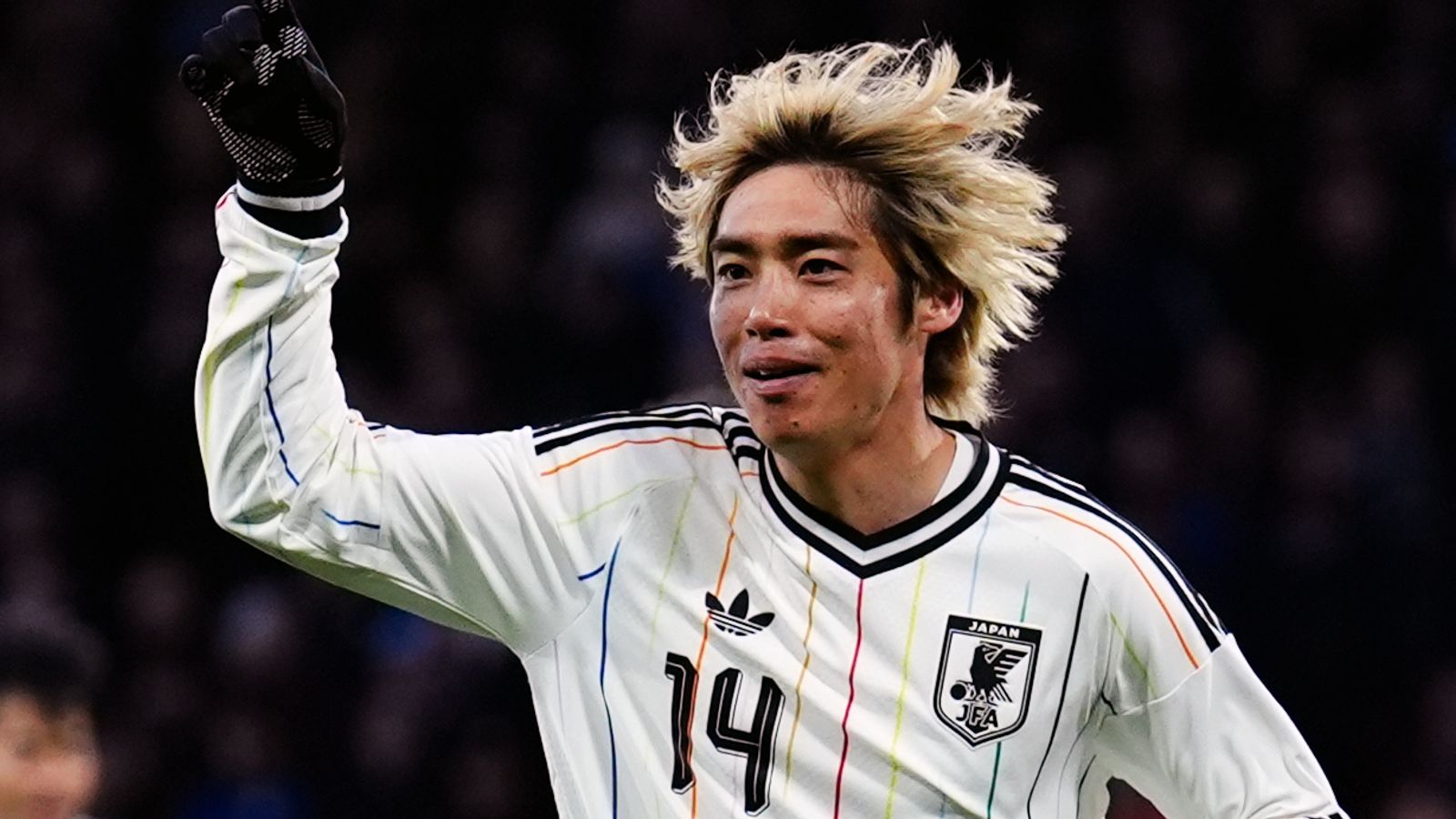
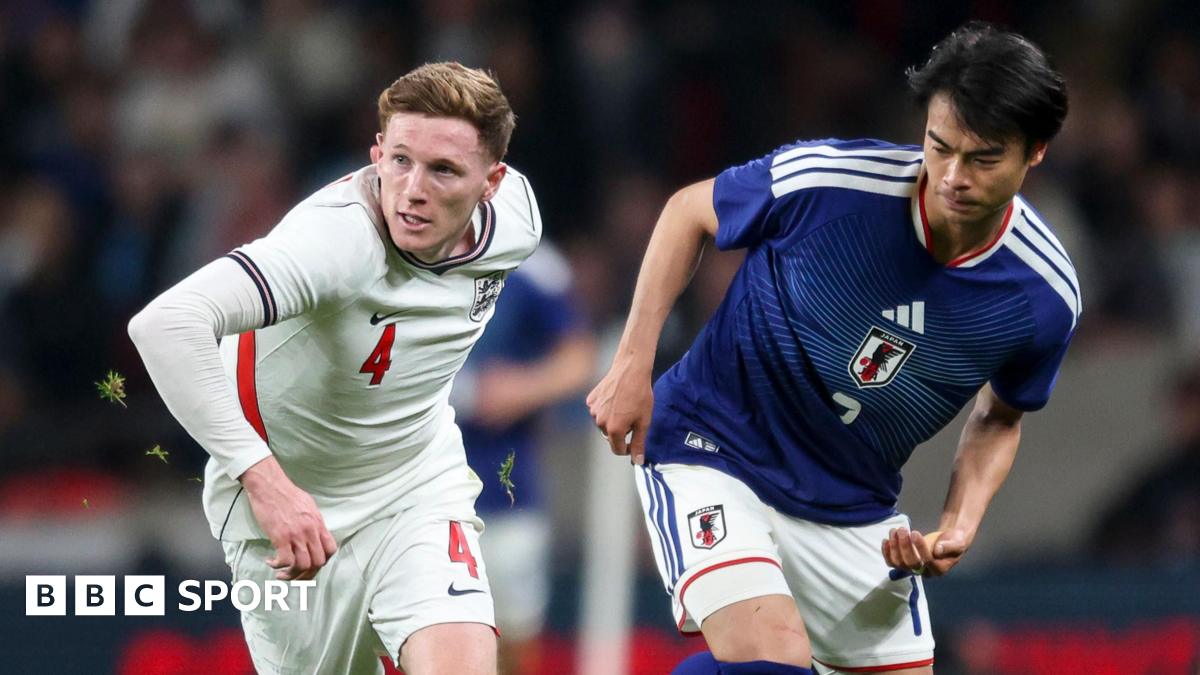
- Phil Foden against Japan: While the result was a 1-0 defeat at Wembley, Foden’s ability to find pocket space was the lone bright spot in an otherwise stagnant English attack. Thomas Tuchel openly noted that stars like Foden struggled to make a difference, yet his movement remained superior to his teammates. He ranks top because he was the only player consistently testing the Japanese defensive block.
- Cole Palmer against Japan: Much like Foden, Palmer faced immense scrutiny following the Wembley loss. His creative output was neutralized by a compact Japanese mid-block that forced him into deep, non-threatening areas. He lands here because his inability to unlock the secondary line of defense directly contributed to the lack of goal-scoring chances throughout the ninety minutes.
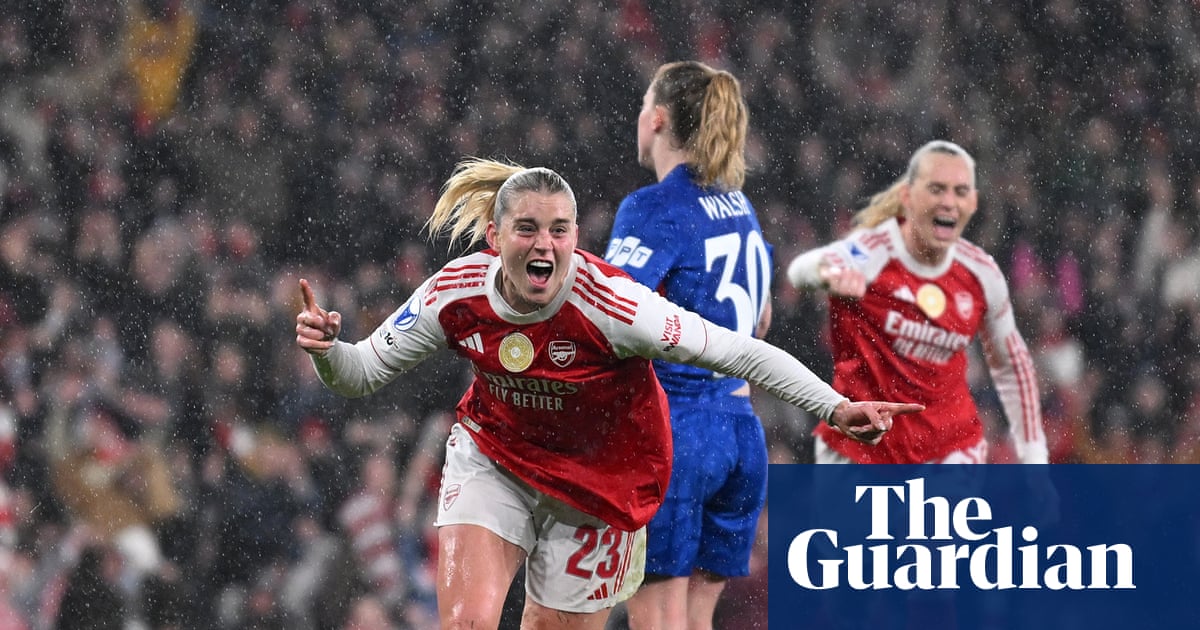
- Alyssa Thompson against Arsenal: Thompson’s performance was defined by aggression before a controversial incident halted her momentum. Her physical entry into the final third caused chaos for the Gunners' backline, forcing technical errors that Chelsea failed to capitalize on. As Chelsea's recent Champions League exit shows, her withdrawal due to injury remains a pivot point that changed the tactical trajectory of the tie.
- Sophia Wilson (USWNT return): The anticipation surrounding her return to the squad is substantial given her absence since 2024. Her ability to integrate into tactical patterns will be tested immediately as the USWNT faces internal competition shifts. She earns this spot for the sheer narrative weight of her return to the international stage.
- Tierna Davidson (USWNT comeback): Returning after an ACL injury requires immediate trust in physical movement against elite attackers. Davidson is projected to solidify the back line, and her performance in the upcoming friendlies against Japan will serve as the litmus test for her World Cup 2026 eligibility. Her tactical discipline is exactly what Emma Hayes requires right now.
- English Midfielders against Japan: The collective failure of the midfield to transition quickly allowed Japan’s high press to thrive throughout the second half. This rating reflects a lack of cohesion that forced the defense into desperate clearances. It highlights a recurring issue in how Tuchel’s side handles direct pressure from organized, technical opponents.
- Chelsea Attackers against Arsenal: Sonia Bompastor voiced significant frustration regarding the offensive output in the 3-2 aggregate loss. While they netted a single goal, the inability to kill off the tie against a ten-player Arsenal side shows a lack of ruthless intent. This ranking reflects the failure to maximize clear-cut opportunities during the crucial second leg.
- Arsenal Defensive Resiliance: Despite going down to ten players, the organization within the back four in the return leg was elite. They allowed Chelsea limited clean looks despite the pressure applied following the Thompson injury incident. Their structural integrity during that 1-0 win is why they remain a point of discussion in tactical circles.
- Japanese Defensive Unit: Their performance at Wembley was a masterclass in organized retreat and rapid counter-attacks. They successfully stifled the most explosive English playmakers for the entirety of the match. Their discipline remains the standard for how to play against possession-heavy, elite European opposition.
- Defensive Substitutes for USWNT: The depth chart battle is heating up as Hayes looks to solidify the roster before World Cup qualifying. These players are currently fighting for the final three spots on the 23-player travel squad. Their performance next week against Japan will determine who stays in the system and who is cut from the national team program.
The Big Picture
Success in international tournaments is rarely about having the best starting eleven; it is about how those individual pieces function against specific, well-drilled defensive structures. Recent results at clubs like Chelsea and the international struggles of the England senior side prove that talent without structure yields narrow, frustrating losses. Coaches now face a critical three-month window to correct these habits before the World Cup begins. As Thomas Tuchel’s recent comments suggest, the margin for error against tactically sound opponents is non-existent.
Honorable Mentions
The bench players who failed to impact the game during the Japanese friendly, and the defensive midfielders who were bypassed too easily in the London Derby, deserve mention for their lack of defensive cohesion. Their inability to stabilize the middle of the pitch cost their respective teams valuable momentum. We will be tracking the squad rotations for the USWNT friendlies to see if any newcomers manage to break into the core rotation ahead of the summer tournament.
Read Next
- Sonia Bompastor has every right to call out the VAR circus
- Gear for the Beautiful Game: A Reality Check
- Seb Stafford-Bloor (The Totally Football Show): "Sven Ulreich hasn't played since September 2024. In addition to which, on a much more serious not..."
- Jeff Kazoov (Futbol Americas (ESPN)): "Katerina Macario will make NWSL history after signing a record deal with San Diego Wave worth rou..."