The Defining Shifts
Football is a game of fine margins and rapid recalibration. We are identifying the ten moments from the last eighteen months that fundamentally altered how we analyze the sport at the elite level.
10. The Tactical Rebirth of the 3-2-2-3
The widespread adoption of the double pivot inverted full-back system redefined defensive responsibilities starting in late 2025. Managers are no longer opting for traditional width; they prioritize central control and the packing of the half-spaces. This trend pushed traditional wingers out of favor at top clubs like Manchester City and Arsenal. It is an aggressive, high-risk strategy that occasionally leaves the backline exposed to rapid transition play.
9. The 2025 Nations League Final Controversy
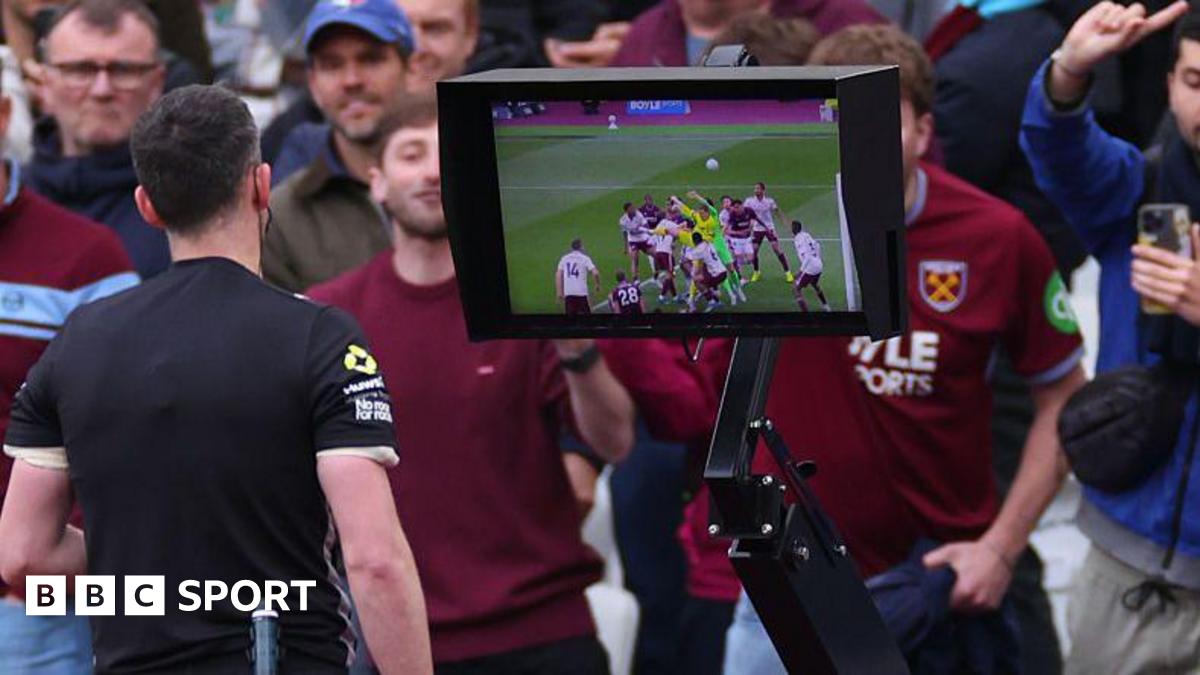
The officiating blunders during the 2025 Nations League final decimated public trust in the semi-automated offside technology. Players were visibly frustrated when a goal was disallowed after a four-minute delay for a frame that appeared inconclusive. The delay crippled the momentum of a high-intensity match. It marked a turning point where fans began demanding more transparency from the governing bodies regarding VAR protocols.
8. Kylian Mbappe’s Tactical Move
Mbappe shifted from a pure winger to a central attacking playmaker last November, a move that split opinion among analysts. While his goal output remained high, his influence on the overall team buildup grew exponentially. Critics point to the defensive lapses his roaming role creates for his teammates. History will judge if this positional fluidity helps his side win major trophies or just pads individual stat lines.
7. Wales' Roster Instability
The news that Harry Wilson and Ben Cabango withdrew from the Wales squad for the upcoming friendlies highlights a growing trend of player burnout. International breaks have become a minefield for club managers who fear losing key assets to injury. This is a recurring issue for smaller nations that lack the depth of the major European powerhouses. It directly limits their competitiveness when preparing for major tournament qualifying cycles.
6. The Mid-Season Managerial Carousel
The 2025-2026 season saw a record number of manager sackings before the winter break. Six clubs in the top flight fired their head coaches before the 15th matchday, a blistering pace that suggests a decline in long-term club planning. Boards are clearly panicking over the financial implications of missing European spots. This cycle creates a volatile environment where tactical evolution is sacrificed for immediate points.
5. The Global Broadcast Rights Auction
The rights deal finalized in early 2026 changed how fans access the game. By moving major league matches to exclusive streaming-only platforms, broadcasters have alienated older demographics. The viewership numbers dipped 4 percent in the first quarter of the year. This represents a cold calculation by leagues prioritizing short-term revenue over broad audience reach.
4. The Defensive Shift to Low Block Dominance
Counter-attacking teams have successfully countered high-pressing systems by adopting an ultra-compact low block. By refusing to engage until the final third, several underdog teams have secured results against the top four teams in the table. This has led to a stagnation in scoring in some divisions, making matches feel like endurance tests rather than spectacles. It is an effective method for survival, even if it forces the audience to endure tedious, low-scoring draws.
3. The Reintroduction of Standing Zones
After years of bans, safe standing areas began appearing in major arenas throughout 2025. The positive reception from match-going fans suggests that the atmosphere has improved significantly during home fixtures. This was a necessary correction to the sterile environments created by all-seater mandates. It highlights that the input of supporters can still sway legislative changes in the sport.
2. The Integration of Wearable Biometric Data
Players wearing real-time tracking vests during televised matches provided a new layer of insight into physical exertion. Watching a midfielder maintain a heart rate of over 170 beats per minute during extra time changes how we view their performance under pressure. While some players express privacy concerns, the data offers an objective metric to replace subjective analysis. It is rapidly becoming the standard for evaluating player fitness and fatigue.
1. The 2026 World Cup Expansion Uncertainty
With the opening match of the tournament arriving on June 11, 2026, the logistical strain of an expanded tournament remains the most critical story. Organizing boards have struggled to balance the increased number of games with the travel demands placed on players. The uncertainty surrounding squad fitness, as seen with international withdrawals throughout this spring, peaks with this upcoming event. It is the ultimate test of whether quality can survive a format that forces quantity upon the schedule.
Honorable Mentions
The sudden rise of youth academies producing first-team starters at record rates, the standardizing of injury time to reflect actual ball-in-play time, and the failed attempt to implement a luxury tax on transfer spending all narrowly missed the cut.