Measuring a Legacy at a Crossroads
Arsenal sits in a strange purgatory as the 2026 season enters its final stretch. The club possesses the historical hardware to claim royalty in the FA Cup, yet recent results expose a widening gap between heritage and current output.
This list tracks the moments, players, and tactical decisions that defined the club’s recent regression. It is not just a tally of losses, but an analysis of a system that is struggling to balance high-spending ambition with tournament-specific failure.
1. The Brighton Stunner
The quarter-final loss to Brighton this past weekend at Borehamwood is the nadir of the 2026 campaign. Losing to the Seagulls confirms a trend: for the second successive season, Arsenal has crashed out at this stage. It is a tactical disaster that leaves the fourteen-time winners empty-handed in a competition they once viewed as a birthright.
2. The Southampton Collapse
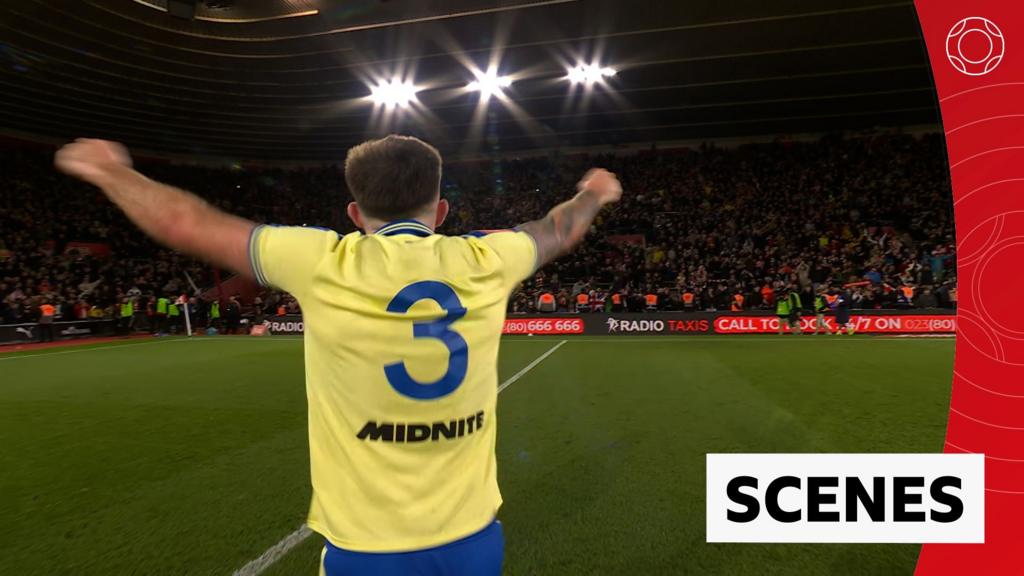
The men’s side followed the women’s team into the abyss with a dismal performance against Southampton. The defeat was so jarring that observers like Theo Walcott and Micah Richards publicly questioned the intensity of the squad on BBC Sport. When your own legends are dissecting your lack of effort, the foundation is clearly shaking.
3. The Absence of Balance
Kieran Gibbs pointed out that the team looked fundamentally lost without a specific creative engine during the Southampton match. The squad relies too heavily on individual brilliance rather than structural integrity. When one cog fails to turn, the entire machine stalls, proving that depth remains a myth at the Emirates.
4. Managing the Noise
Piers Morgan made headlines yesterday by claiming he would rather harm himself than discuss another Arsenal failure. While the outburst is theatrical, it reflects the genuine exhaustion of the fanbase. The constant oscillation between title talk and cup disasters creates a volatile environment for the players.
5. Stagnant Recruitment
Transfer strategy has been touted as the fix, yet the same gaps appear year after year. The reliance on high-cost signings who vanish in big fixtures is a recurring theme mentioned in recent Metro reports. A team without a plan B is eventually out-prepared by a team with a clear identity.
6. Tactical Rigidity
The insistence on playing through a narrow channel in the center of the pitch allowed Southampton to clog the passing lanes effectively. There is an aversion to tactical variation, even when the scoreline dictates a change in approach. It is a stubbornness that cost them a semi-final spot.
7. The Borehamwood Jinx
The women’s side failing to protect home turf against Brighton suggests a psychological hurdle at Borehamwood. Top-tier teams must hold their ground in cup formats, yet Arsenal has turned their home into a venue where opponents feel little pressure. This venue-specific slump is a tangible problem for the coaching staff.
8. Over-reliance on Star Power
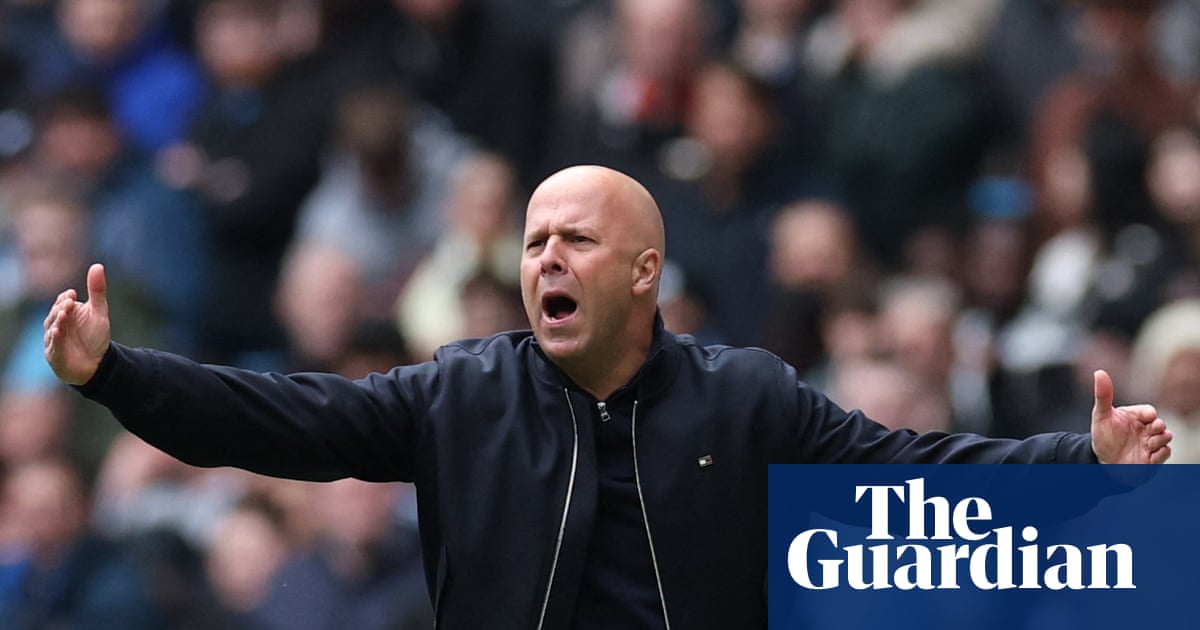
The team consistently struggles when their marquee players are neutralized by low-block defenses. As The Guardian reported, Brighton did exactly what was required to stifle the attack and exploit the gaps. Without a secondary scoring threat, the frontline is too predictable.
9. Defensive Transitions
The transition from attack to defense left the backline exposed far too often against Southampton. In a cup format, mistakes are terminal, and the failure to track runners is inexcusable. This is not a youth issue; it is a focus issue.
10. The Leadership Vacuum
The lack of an on-field general during high-pressure moments in both cup exits is blindingly obvious. While managers take the heat, the players on the grass are failing to dictate the tempo. A team without a leader will always yield when the pressure reaches 90 minutes.
Honorable Mentions
The bench depth remains a major concern, as depth players failed to impress when rotated in during early-round fixtures. Additionally, the recurring injuries to key playmakers have forced the squad to rely on tactical improvisation that rarely succeeds. There is also the matter of internal morale, which Piers Morgan alluded to in his latest commentary, suggesting a disconnect between the fans and the board room.