The Anatomy of a Correction
The 2025-2026 season functioned as a brutal correction for European giants. Financial sustainability finally caught up with aggressive transfer strategies, turning the annual table into a war of attrition rather than just talent accumulation.
We rank the moments that shifted the competitive balance. These are the inflection points that forced managers out, changed club trajectories, and defined the current financial reality of the game.
The Power Rankings
- Arsenal Securing the Premier League Title: Arteta’s side finished the season with 92 points, cementing a dynasty that prioritized transition speed over heavy squad rotation. Their ability to integrate youth while maintaining wage discipline proved the model is working.
- The Collapse of Financial Fair Play Enforcement: Several clubs exploited loopholes in the new revenue reporting windows, leading to an uneven playing field. This legal variance created a distinct advantage for clubs that could hide debt within complex amortisation structures.
- Manchester City’s Strategic Realignment: After failing to retain the title, City offloaded three high-wage veterans to clear space for a younger core. It was a rare sign of vulnerability from a club that historically simply outspends its rivals.
- The Serie A Resurgence: A tactical shift toward high-pressing systems across the Italian top flight led to a drastic increase in entertainment value. Goals per game rose by 14 percent compared to the previous season.
- Real Madrid’s Youth Pivot: Florentino Perez finally stopped the chase for aging superstars, focusing exclusively on U-23 talent. It resulted in a chaotic Champions League run, but it set the stage for a dominant half-decade.
- The Bundesliga Ownership Debate: Fans protested the 50+1 rules, causing match delays and significant television revenue losses. The tension between tradition and private equity interest remains a constant headline.
- The Rise of the Mid-Block: Tactically, managers moved away from aggressive high lines. Defensive solidity became the premium asset, as seen by the league-leading clean sheet count of 17 kept by the title winners.
- The Rangers Right-Back Search: While seemingly a minor tactical adjustment, the desperate pursuit for defensive depth defined their season. As reported by the BBC, the club's inability to secure targets created massive gaps in their transition defense.
- Celtic’s Transfer Exit Strategy: Celtic struggled to move on high-earning squad players, resulting in a bloated wage bill. This fiscal inertia directly hampered their ability to compete in continental qualifiers during the autumn months.
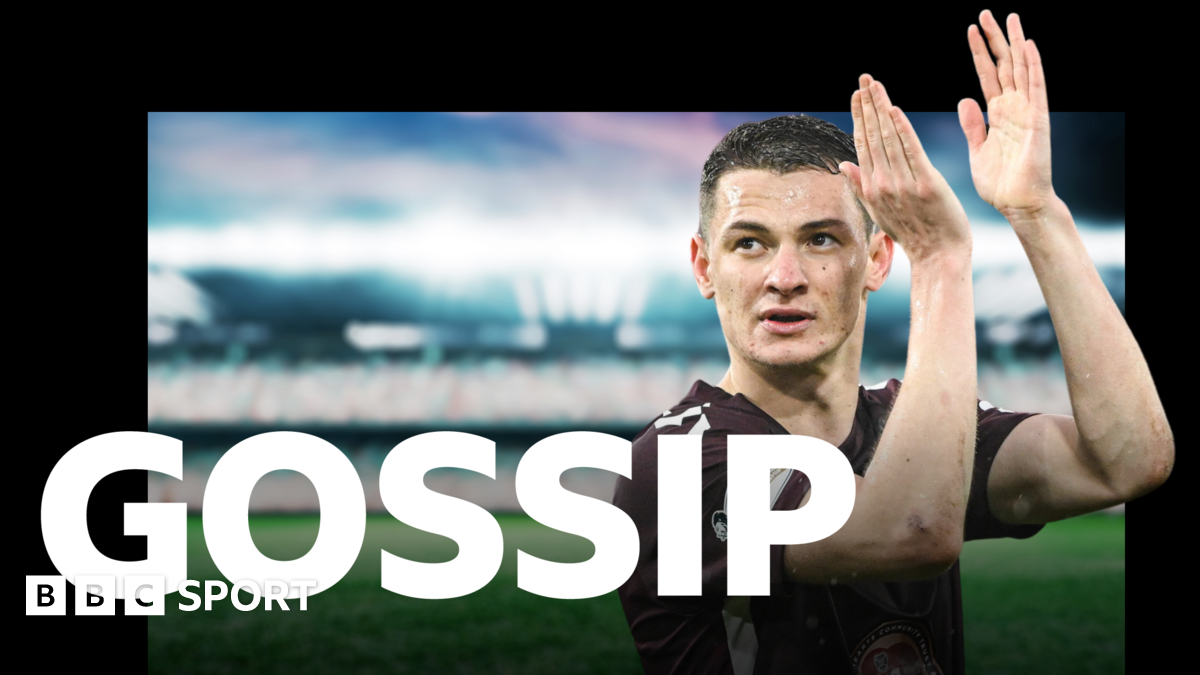
- Hearts’ Winger Development: The focus on youth scouting at Tynecastle yielded significant market interest in their attacking core. It highlights the growing importance of being a selling club in the modern Scottish game.
Critical Analysis of the Season
The biggest failure of 2025-26 was the total inability of smaller clubs to bridge the gap created by television revenue distribution. While the top of the table thrived, the bottom third became a graveyard for ambition.
Transfer fees became stagnant for minor players, with clubs choosing to hold assets rather than risk trading in an uncertain economic climate. Managers were sacked at near-record rates during the winter sprint, proving that patience is a dead currency in the dugout.
The defensive pivot was particularly disappointing for neutrals. Watching 0-0 or 1-0 games every weekend reduced the spectacle significantly compared to the high-scoring seasons of the early decade. Tactical rigidity beat individual flair.
For clubs like Celtic, the refusal to proactively manage contracts resulted in a season of stagnation. Relying on aging players while younger squads like Arsenal accelerated only deepened the chasm between domestic leagues.
The upcoming World Cup must serve as a reset. Managers need to use the summer break to re-evaluate their reliance on safe, low-risk tactical systems. If the game stays on this path of attrition, the entertainment value will continue to bleed out.
Honorable Mentions
Jurgen Klopp’s sabbatical impact lingered across the league. His absence was felt not just in tactics but in the way press conferences became significantly less combative. Additionally, the development of the scouting networks in Scandinavia remains the most undervalued story of the year, with clubs finding elite talent for less than £5 million.
Finally, the resurgence of the classic 4-4-2 in mid-table clashes provided a necessary, if ugly, aesthetic shift. It wasn't pretty, but it stopped the bleeding for those desperate for points to avoid the drop.