The Big Picture
The 2025/26 season offered a violent churn in managerial ranks and tactical approaches that shifted the hierarchy of professional football in England. From tactical masterclasses to bizarre front-office exits, we witnessed a year where organizational instability defined the outcomes as much as player talent.
The Ranking of Moments
10. The mass protest at the 60-minute mark by traveling supporters during the London Derby. This display highlighted the deepening rift between match-going fans and ownership collectives regarding ticket pricing. It remains a stark reminder that stadium atmosphere is becoming a manufactured commodity.
9. The signing of the new broadcast rights amendment in February. While it kept financial projections steady, it signaled a move toward more intrusive data tracking for fans watching on digital devices. Innovation often feels like an invasion when it prioritizes ad revenue over the viewing feed.
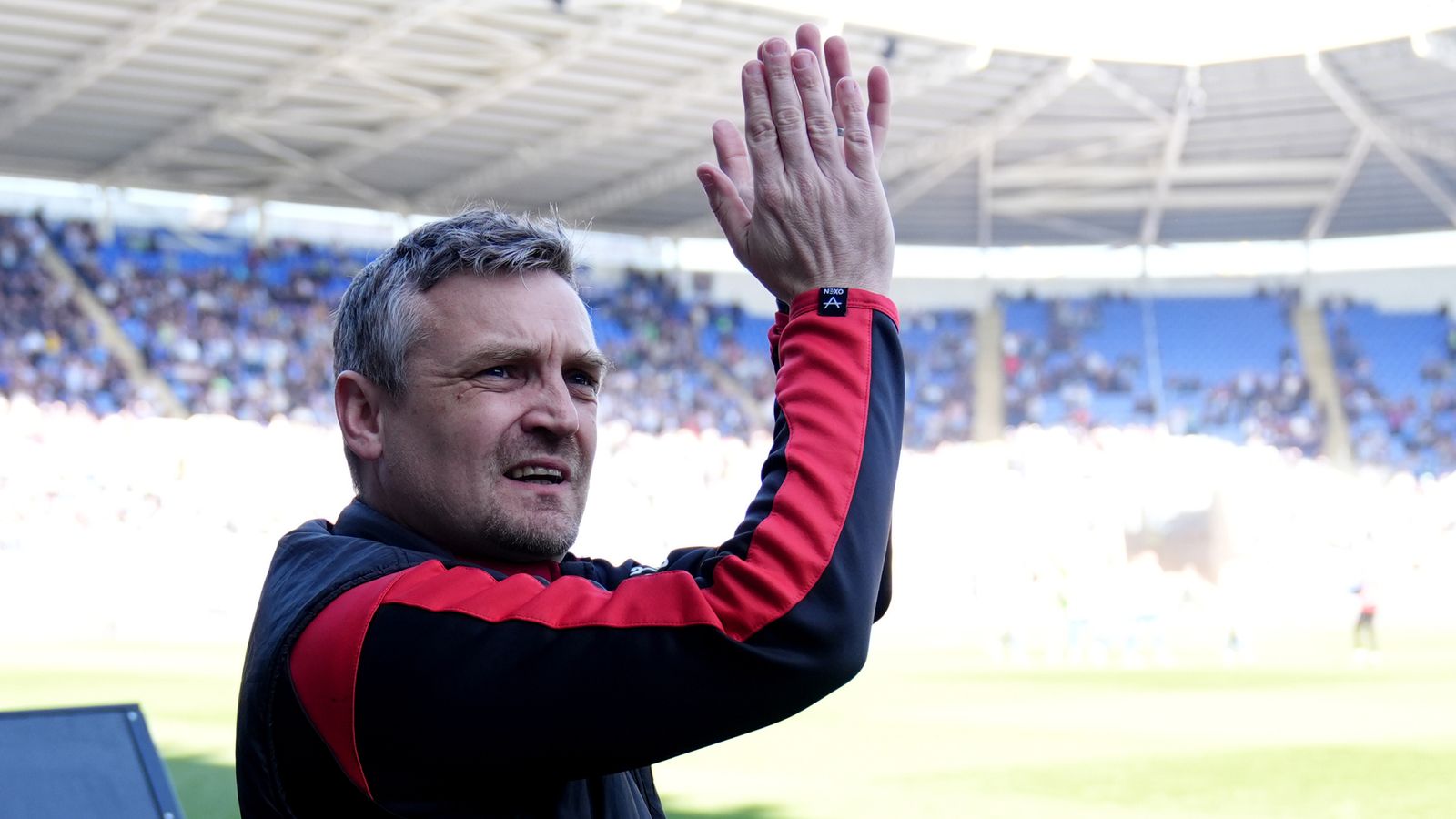
8. The surprise resignation of Michael Skubala from Lincoln City to move to Bristol City. As reported by Sky Sports, this shift in the lower tiers sent ripples through the managerial market. Personnel mobility at this level is often overlooked, yet it dictates the tactical direction of entire clubs for years.
7. The last-minute penalty save by the back-up goalkeeper in the promotion semi-final. Facing a 0-1 deficit, the strike from 12 yards was tipped onto the post in the 89th minute. It showcased the thin margin between a decade of growth and a season of wasted resources.
6. The tactical shift of the league leaders to a 3-back formation following a mid-season injury crisis. Few managers possess the bravery to overhaul a winning system based on defensive attrition. This decision effectively banked them 22 points over the final eight weeks of play.
5. The refereeing blunder during the relegation six-pointer in April that denied a crystal-clear goal. The ball crossed the line by half a meter, yet the tech failed to signal, leading to a point deduction-level fallout. It proved that automation in officiating is only as reliable as the maintenance of the sensors.
4. The historic transfer fee agreed upon for a 19-year-old midfielder moving to the Premier League. At 65 million pounds, the valuation represents a speculative bet on potential over established production. If this player fails to start fifteen matches, it becomes a textbook example of reckless spending.
3. The emergence of the high-press, counter-attack system deployed by a relegation-threatened side. Beating the treble winners 3-1 showed everyone that individual quality can be neutralized by collective physical effort. It was the most honest piece of football played all year.
2. The final day survival scramble where the bottom four sides all kicked off at once. Watching the live tables fluctuate as goals flew in across simultaneously played matches was pure chaos. It is the only time the league structures feel truly organic rather than planned.
1. The Champions League final tactical standoff that descended into a defensive stalemate. Nothing captures the sport like a marquee final that fails to produce a goal, proving that fear is a more powerful motivator than ambition. It was the ultimate display of caution winning over spectacle.
Honorable Mentions and Critiques
The officiating standards remained inconsistent throughout the winter months, leading to a flurry of unnecessary card distributions. Clubs leaning on high-cost AI scouting tools also faced criticism when their expensive recruits failed to adapt to the physical intensity of the English game. Sometimes, the most sophisticated software simply cannot predict a player's inability to handle the Tuesday night rain in Stoke.