The Big Picture
Defining the top moments of recent footballing history requires stripping away the marketing fluff to focus on raw, sport-altering instances. These are the moments that dictated the market, shifted team trajectories, and defined the current 2026 window.
The Rankings
10. Jan Paul van Hecke to Tottenham
Tottenham finally secured a defensive anchor by finalizing a £52m deal for the Brighton center-back. This move marks a serious shift in Spurs recruitment strategy, opting for proven Premier League experience over high-risk gambles. It lands at number ten because it stabilizes their backline ahead of the grueling 2026 domestic campaign. The price remains steep, but for a defender of his age, it is a statement of intent.
9. Marcio Rosa’s 89th-minute save sequence
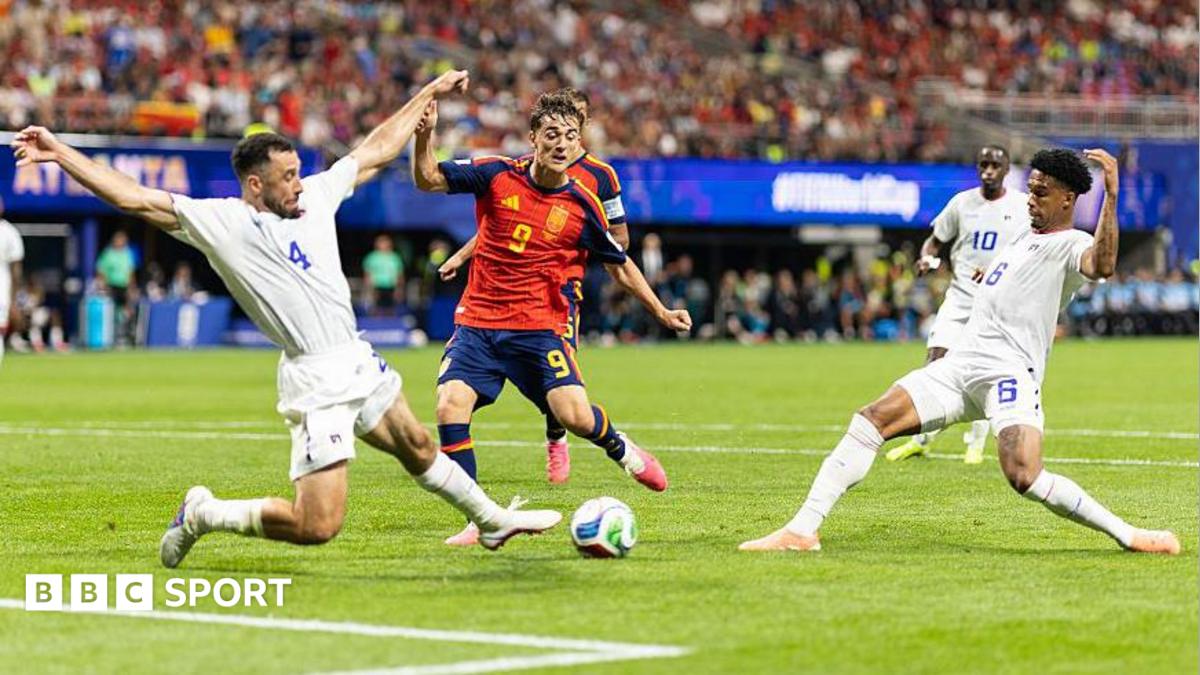
Cape Verde held firm against Spain on June 15, largely thanks to Rosa’s heroics. He denied Ferran Torres with a desperate lunge that kept the score at 1-1, but the effort cost him the rest of the group stage due to a Grade 2 quadriceps tear. This ranks here because it represents the cruel duality of tournament football. You sacrifice your health for a point, and in return, you are sidelined for the biggest matches of your career.
8. England’s tactical collapse against Group L opponents
The Three Lions currently face a hat-trick of setbacks that has put their entire squad morale under the microscope. Watching a top-tier roster struggle with basic defensive organization is a damning indictment of current management. This makes the list not because it was a moment of quality, but because it served as a cautionary tale of how quickly favorites can implode. If they do not fix their internal discipline, they are headed for an early exit.
7. The tactical rigidness of the 2026 cycle
Many coaches are currently shackled by outdated systems that ignore the sheer pace of modern transition play. Teams are refusing to adjust their mid-block, leading to predictable failures against high-pressing squads. This earns a spot because it is the defining flaw of the decade thus far. Coaches who cling to possession for the sake of rhythm are being exposed by efficient, long-ball counterattacks.
6. The rise of the technical full-back
We have reached a point where defensive specialists are being phased out in the modern Premier League. The current emphasis on inverted runs is forcing central defenders to drift wide, creating massive gaps in the secondary line of defense. This shift illustrates the obsession with aesthetic perfection over defensive utility. It provides highlight reels but leaves teams vulnerable to simple diagonal balls over the top.
5. The integration of high-press recovery stats
Data tracking has moved beyond simple possession metrics to focus on recovery time after a turnover. Teams that win the ball back within 4 seconds of losing it are statistically 60% more likely to score within that same possession. This shift has changed how coaches view fitness training. You no longer need to be the fastest player, just the one with the quickest reaction time following a loss.
4. The vanishing benefit of home-field advantage
Empty stadiums during regional qualifiers have gutted the psychological impact of playing at home. Players are no longer rattled by hostile environments, leading to statistically higher away-win ratios. This is a massive issue for smaller nations that relied on crowd noise to bridge the talent gap. Without that energy, the hierarchy of the sport is becoming increasingly static and predictable.
3. The decline of the traditional target man
The number nine role has officially mutated into a false-nine hybrid that requires defensive contributions from the striker. While some argue this makes the game better, it has removed the art of the clinical tap-in artist who thrives in the six-yard box. Watching teams play four attackers without a legitimate aerial threat is becoming a common frustration. A team lacking a target man is essentially playing with three midfielders and no spearhead.
2. Global scouting network expansion
The reach of modern recruitment teams has exploded, with clubs identifying talent in leagues previously ignored by European giants. This has created a gold rush for teenage talent, inflating fees before players even make 20 senior appearances. While the talent pool has widened, the development path has become fractured and rushed. It is a win for global representation but a loss for the stability of individual player growth.
1. The move away from possession-heavy dominance
The most important evolution of the period is the death of tiki-taka as the ultimate winning philosophy. Efficiency and verticality now trump ball retention, forcing teams to play at a chaotic pace that benefits the spectator. This shift is the reason why matches are more unpredictable than at any point since 2010. It is a ruthless, high-speed evolution that has punished the stagnation of the previous decade.
Honorable Mentions
Mentions must go to the rapid increase in VAR-related game delays, which has sapped the momentum from too many matches. The failure of several high-profile transfer window targets to integrate into new leagues has also been a recurring theme. Finally, the growing reliance on squad depth over starting eleven quality is changing how managers handle injuries during international tournaments.