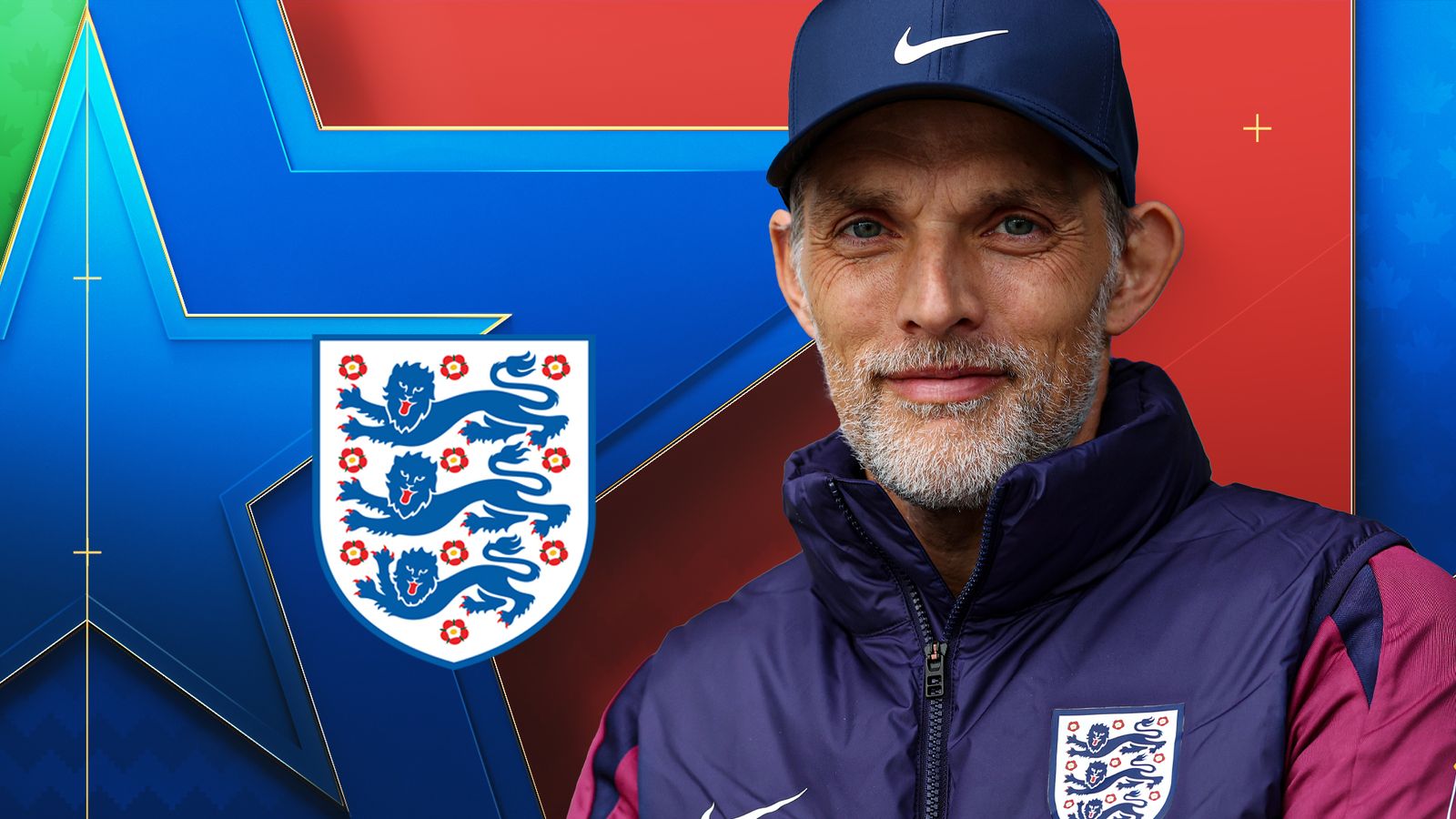
Tactical friction defines Tuchel’s England arrival
England enters the 2026 World Cup under Thomas Tuchel with a squad optimized for rigid tactical structures rather than fluid individual brilliance. The FA opted for a contract extension to secure his services long-term, but internal dissent is already surfacing. Reports indicate that former squad members are questioning the meritocratic nature of his recent selection choices.
As The Mirror reports, the decision-making process regarding personnel choices has left some veterans baffled. The concern revolves around whether the current setup favors Tuchel's preferred systems over the specific attributes of England’s most creative talents.
The Croatian critique and England's structural rigidity
Slaven Bilic has provided a scathing assessment of the Three Lions' current setup. He argues that playing with the predictable tempo of a Premier League side is exactly what seasoned opponents like Croatia want. The reliance on established club hierarchies often collapses when faced with a side that prioritizes tactical shape over individual high-profile names.
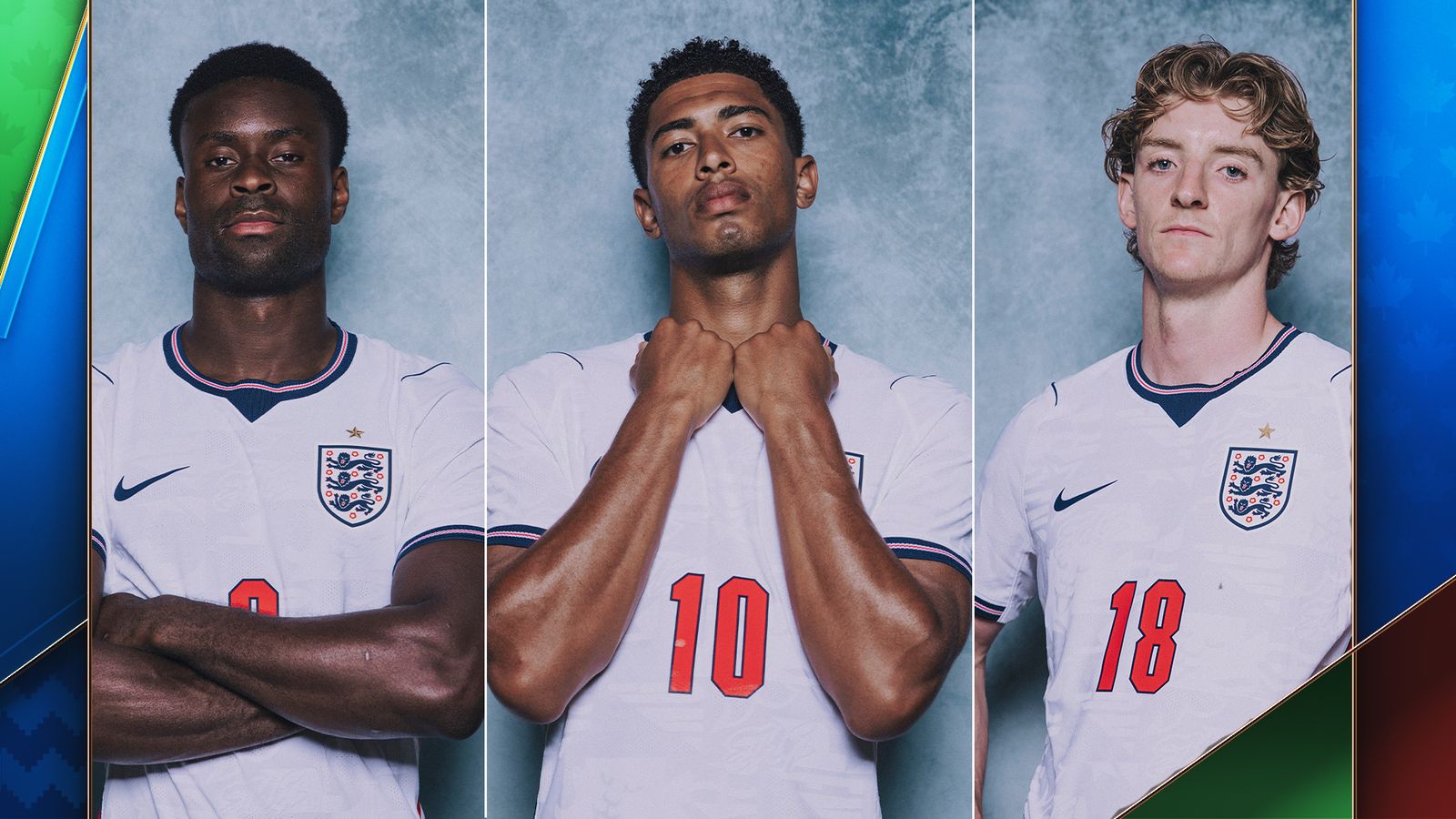
The matchup against Luka Modric serves as a direct stress test for this philosophy. At 40, Modric remains a master of tempo control, a luxury England lacks in its current pivot. If England cannot bypass the Croatian press, the reliance on Jude Bellingham and the attacking line risks becoming isolated. The tactical flexibility that Tuchel was brought in to provide remains theoretical at this stage.
Contractual security vs. on-field performance
The FA’s decision to lock Tuchel into a lucrative extension was described as a preventive measure against poaching from top-tier European clubs. However, this safety net creates a paradox. While it shields the manager from immediate job security concerns, it removes the external pressure that often forces a more pragmatic approach to tournament football.
The team is currently operating under a $12 million annual salary structure, marking a significant investment in a high-risk strategy. The expectation for a deep run is absolute; anything less than a semi-final appearance will be categorized as a failure of this transition. Given the focus on long-term stability, the FA seems to be betting on the manager overcoming immediate tactical stagnation.
Analysis of the tactical impasse
Tuchel’s system assumes an 85% possession baseline against mid-tier opponents, which is effective until the transition phase is exposed. Croatia’s scouting report highlights a tendency for England to leave the full-backs over-extended, a common flaw in Tuchel’s previous club roles. The criticism from international onlookers suggests the squad lacks the specific defensive cover to survive these gaps.
The risk of this strategy is clear: once the initial tactical plan is disrupted, the team struggles to react dynamically. This lack of improvisational quality is a recurring critique of Tuchel's work in international settings. Should the group stage yield a draw or a surprise defeat, the pressure on his specific brand of positional play will become unsustainable.
"It's not coming home, it's not coming home," Luka Modric and his team sang, as the players who had ended England's World Cup dreams filed past.
The sentiment from the Croatian camp underscores a deeper narrative of English underachievement. As noted in the Daily Mail preview, the perception of England as an arrogant but tactically shallow opponent persists. Turning that narrative around requires more than just high-level investment from the FA.
Expected impact and probability of success
The probability of this project ending in a trophy lift is evaluated as low. While the quality of the English player pool is world-class, the mismatch between the manager’s high-friction style and the tournament environment suggests a short leash. If the team exits before the quarterfinals, the extension rationale will be shredded by critics and the media.
The expected outcome is a functional, low-scoring victory against weaker opposition followed by a tactical failure against a disciplined defensive unit. If Tuchel fails to adjust his mid-game substitutions, the squad’s frustration will likely boil over. The most significant flaw remains the reliance on a single tactical philosophy regardless of the opponent’s strength.
Updates from Sky Sports confirm that the squad is currently training at high intensity to prepare for the opener. All eyes are on whether the tactical rigidity breaks under pressure or provides a shield against the erratic nature of tournament football. The next 10 days will define the legitimacy of the entire tenure.
Read Next
- Thomas Tuchel has the England fanbase splitting hairs before Croatia
- England vs Croatia is the World Cup grudge match we deserve
- Thomas Tuchel's FA extension signals a tactical pivot for England
- Argentina's quest to repeat is already driving the internet insane
- 🏆 World Cup 2026 — Full Coverage Hub
- 🏴 England World Cup 2026 — Three Lions Hub