The Big Picture
The 2025/2026 football season has stripped away the illusion of control. As we head into late April, the traditional power structures are fracturing under the weight of an expanded calendar, profit sustainability rules, and a relentless physical toll.
This isn't a campaign defined by singular, beautiful dominance. It is defined by survival. From the chaos of the new Champions League format to the brutal reality of the Premier League basement, the moments that matter this year are gritty and unforgiving.
We are weeks away from an expanded 48-team World Cup, yet domestic leagues are demanding more intensity than ever before. Squads are breaking down, managers are losing their jobs over fractional margins, and the fans are stuck watching a war of attrition. Here are the ten storylines and moments dictating the narrative.
10. Carragher’s Relegation Reality Check
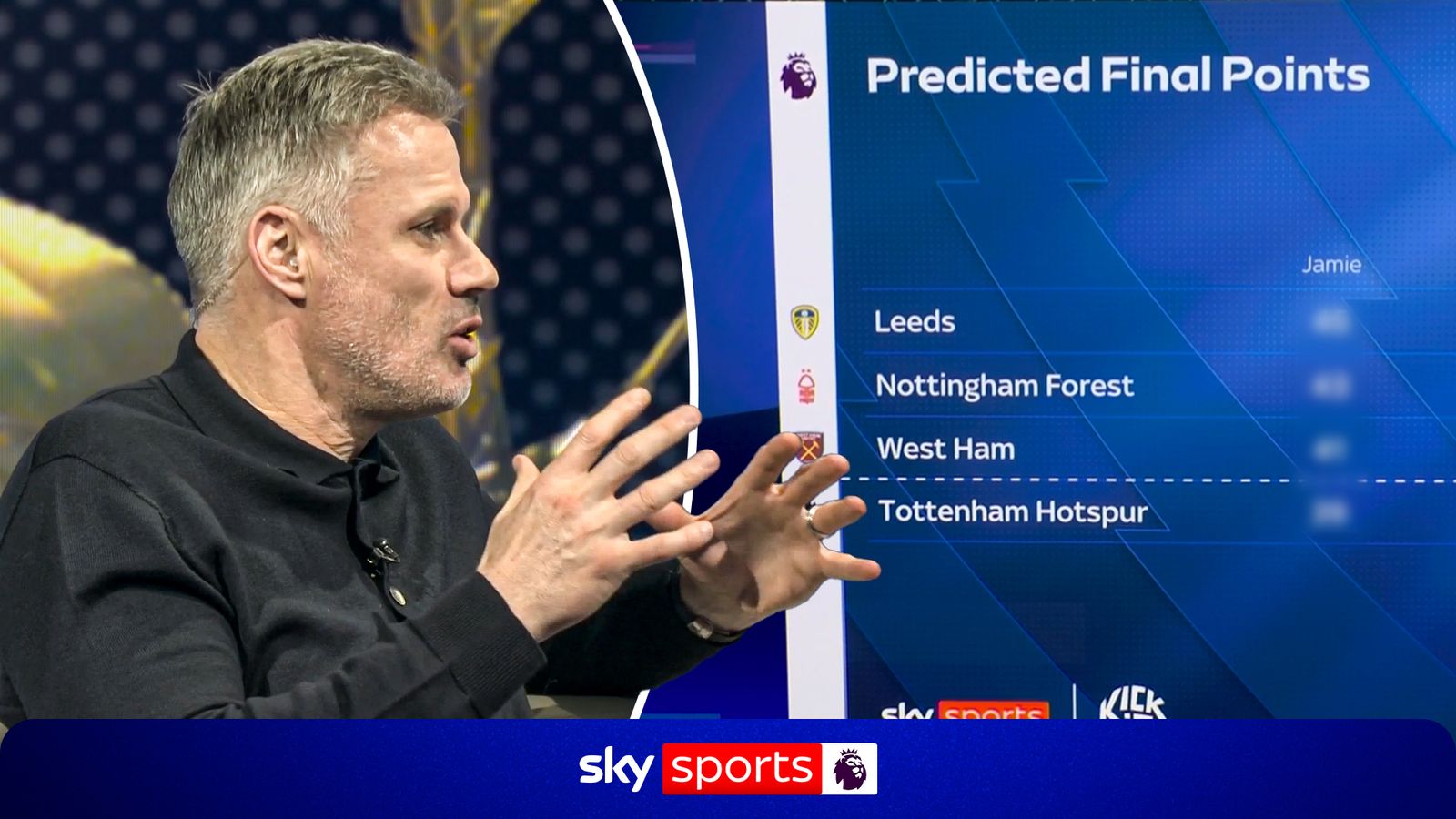
Sometimes it takes a blunt, televised assessment to cut through the tactical noise. Earlier this week on Sky Sports, Jamie Carragher delivered a stark breakdown of the Premier League's bottom three.
"Have to win no matter what!"
Forget expected goals, passing network graphs, or high-minded philosophies about playing out from the back. The final month of the season in the basement is purely psychological, and managers who refuse to adapt are digging their own graves. Carragher highlighted how fear is paralyzing the teams fighting the drop. It sets the baseline for our list because it captures the raw desperation defining April football.
9. The PSR Points Deduction Fallout
The Premier League's Profitability and Sustainability Rules have turned the league table into a fluid legal document. The moments when points deductions were confirmed completely altered the competitive balance, throwing mid-table clubs into sudden relegation panic.
Teams spent the winter transfer window paralyzed, terrified of breaching limits rather than improving their squads with necessary reinforcements. The sheer confusion of appeals, counter-appeals, and moving goalposts has severely damaged the product's basic integrity. It ranks at number nine because off-pitch accounting should never overshadow on-pitch results. We have spent half the season calculating amortization schedules instead of analyzing goal difference.
8. The Swiss Model Attrition
The rollout of the new UEFA Champions League Swiss format delivered exactly what domestic managers feared most. Heavy legs and diluted group-stage stakes have defined the European campaign. The extra fixtures crammed into January created a brutal winter slog that left players running on empty.
By the time the Round of 16 arrived, squads were visibly depleted, featuring reserve fullbacks and academy midfielders in massive European ties. The reality of the schedule hit home through the collective, sprawling injury lists published by top clubs in February. It drastically altered domestic title races across Europe, forcing managers to field heavily rotated sides in league matches.
7. The Return of the Target Man
Tactical trends are cyclical, and 2026 has violently rejected the false nine experiment. The defining tactical shift of the season has been the widespread reliance on traditional, physical center-forwards to break down stubborn defenses.
With defensive blocks sitting deeper to counter high-pressing systems, teams realized they needed a blunt instrument to break the lines and win ugly balls in the air. We are seeing a massive spike in early crosses, aggressive second-ball fights, and far less sterile possession around the penalty area. It ranks above the schedule changes because it fundamentally changed how top teams construct their attacks, moving away from pure aesthetics back to raw effectiveness.
6. The Semi-Automated Offside Relief
After years of painful VAR line-drawing delays, the introduction of semi-automated offside technology in the Premier League finally removed the excruciating manual guesswork. The first time a tight offside was confirmed within seconds felt like a massive release of stadium tension.
Fans could actually celebrate goals again without enduring a three-minute forensic investigation by officials in a remote booth. It is a rare, undeniable victory for common sense in football governance. We place it at six because it instantly improved the match-going experience. It fixed a self-inflicted wound that had been ruining the emotional peak of the sport for half a decade.
5. The World Cup Roster Scramble
With the FIFA World Cup kicking off on June 11, the shadow of the massive 48-team tournament has hung heavily over the entire club season. The moment national team managers started hinting at squad selections, player behavior noticeably changed on the pitch.
We have seen star players nurse minor knocks for weeks, clearly desperate to avoid a tournament-ending injury right before the flight to North America. Conversely, fringe players have put in desperate, chaotic performances, attempting to catch a scout's eye in the final months. This dual motivation has created wildly inconsistent domestic form, making the title races uniquely unpredictable.
4. The April Quarter-Finals Crunch
The Champions League quarter-finals wrapped up between April 7 and 14, delivering high drama but revealing glaring squad depth issues across the continent. The physical toll of the two legs exposed the elite teams that failed to rotate properly during the grueling winter schedule.
It was a stark, brutal reminder that you cannot sprint a ten-month marathon without your squad breaking down. The upcoming semi-finals on April 28 and May 5 will almost certainly feature teams running on fumes rather than executing at peak tactical levels. This period ranks high because it separates the deeply funded elite from the ambitious overachievers who simply ran out of gas.
3. The Collapse of the Mid-Block
Mid-table teams attempting to play a patient mid-block have been violently torn apart this season by faster, more direct transitions. The tactical shift has been stark: you either press relentlessly from the front or sit in a suffocating, deep low block to survive.
The teams that tried to exist in the tactical middle ground were routinely bypassed and punished heavily on the counter-attack. This harsh realization hit hard around December and forced a wave of panicked mid-season managerial changes across the top leagues. It ranks third because it killed the romantic illusion that smaller clubs can play expansive football without elite athletes.
2. The Club World Cup Boycott Threats
The expanded 32-team FIFA Club World Cup looming this summer triggered unprecedented, organized pushback from players and domestic unions. The moment FIFPRO and major European leagues openly challenged the calendar in court, the power dynamic of world football shifted entirely.
Players are now openly complaining about the physical impossibility of playing an 80-game season without suffering career-altering injuries. It is a defining inflection point for the sport's future, placing player welfare directly against governing body revenues. It sits at number two because it is the first genuine, legally backed structural threat to FIFA's relentless expansion of the calendar.
1. The Reality of the Run-In
Nothing tops the raw, unfiltered tension of the final weeks of the season. Right now, with late April fixtures piling up, every single dropped point is fatal to a club's ambitions. The defining moments are no longer spectacular, viral goals.
They are scrappy 1-0 wins, blown hamstrings, and ugly tactical compromises made just to get over the line. The title contenders and the relegation candidates are operating entirely on adrenaline, discarding long-term planning for immediate survival. The aesthetics of the game vanish completely when the stakes are this high. It is the number one moment because it is the only thing that matters right now: finding a way to survive the most congested calendar in football history.
Honorable Mentions
- Referee Audio Broadcasts: The ongoing debate over releasing VAR audio remains a flashpoint for fan anger. Every weekend brings a new recording that raises more questions than it answers.
- Desperate January Spending: Clubs fighting relegation took massive financial risks. We are seeing those boardroom decisions translate into disjointed, panicked performances on the grass.
Read Next