The Big Picture
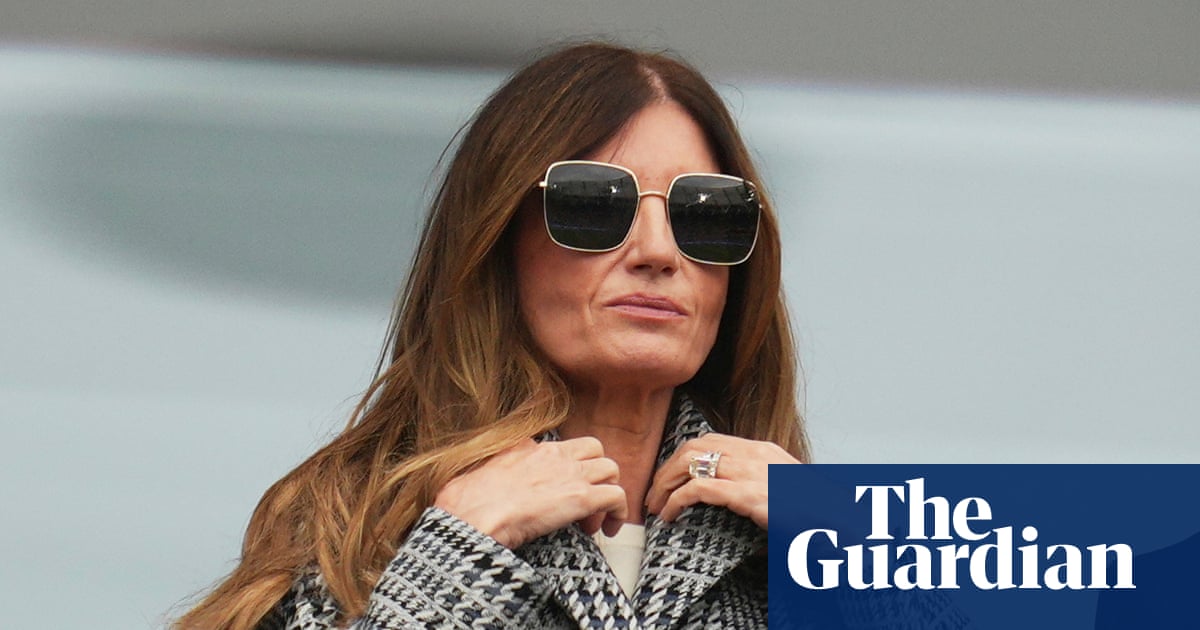
Karren Brady’s 16-year run as West Ham’s vice-chair is over. As the Mirror reported this morning, she has officially stepped down following a dismal draw at Crystal Palace that leaves the Hammers teetering two points above the relegation zone. She arrived alongside David Sullivan and David Gold in 2010 to save a club drowning in debt. She leaves a vastly different, deeply polarized institution.
10. The 2026 Departure Announcement
It has to start with the end. Brady's exit arrives with West Ham hanging dangerously close to the Championship trapdoor in late April. The timing leaves the club in a messy transitional state heading into a vital summer window. Leaving now, amidst immense pressure and renewed fan unrest, cements a highly complicated legacy. It certainly wasn't the triumphant farewell she envisioned when she first walked through the doors at Upton Park. Her Tuesday morning statement closed the book on an era of undeniable commercial growth, but massive cultural friction.
9. The Pragmatic Return of David Moyes
When Manuel Pellegrini was sacked in late 2019, turning back to David Moyes felt incredibly uninspiring to the fanbase. Brady and the board took immense heat for a perceived lack of ambition. Yet, it proved to be the most vital stabilizing decision of her tenure. Moyes kept them up, built a robust squad around Declan Rice and Tomas Soucek, and eventually delivered consecutive seasons of European nights. It was an unpopular, deeply unsexy choice that absolutely worked. It proved that sometimes the boardroom knows better than the terraces. He provided the exact floor the club desperately needed.
8. The Final Season at the Boleyn Ground
Before the controversial stadium move, the 2015-16 season under Slaven Bilic was genuinely magical. The farewell to Upton Park was managed with a heavy dose of nostalgia and raw emotion that united the fanbase. Beating Manchester United 3-2 in the final game under the lights remains a modern Premier League classic. Brady and the board got the send-off exactly right, allowing fans to properly grieve the loss of their historic home. Even if what came next alienated many long-time supporters, the goodbye itself was perfectly pitched. It was the last time the club felt entirely connected to its historic East End roots.
7. Navigating the Pandemic Finances
While it isn't a glamorous pitch moment, the financial navigation of the 2020 global shutdown was arguably her most important corporate victory. Brady was heavily criticized for publicly suggesting the Premier League season should be voided early on. That stance infuriated rival clubs, particularly Liverpool supporters who were waiting for a title. However, the club emerged from the empty-stadium era financially intact compared to many heavily leveraged peers. It highlighted her primary role under Sullivan. She was there to protect the business entity above all else, regardless of the PR hit or the anger of opposing fanbases.
6. The Payet Lightning Strike
Signing Dimitri Payet from Marseille in the summer of 2015 brought a level of box-office magic to East London that hadn't been seen since Paolo Di Canio. He was an absolute revelation on the pitch. He scored 9 goals and provided 12 assists in a dazzling first league campaign, hitting free-kicks that simply defied physics. While the board eventually had to sell him under a cloud of toxicity when he went on strike, bringing him in was a massive coup. It temporarily showed West Ham could attract genuine European flair and disrupt the established elite.
5. The 2018 Burnley Match Protests
You cannot honestly discuss Brady's tenure without addressing the absolute lowest point. During a 3-0 home defeat to Burnley in March 2018, years of pent-up frustration violently boiled over. Fans repeatedly invaded the pitch in protest, and the directors' box was targeted with furious, sustained chanting by thousands. It was a disastrous visual for the ownership that made national news and prompted emergency security meetings. It forced a deeply critical look at the massive disconnect between the boardroom executives and the match-going fans. The relationship between the two groups arguably never fully recovered from that toxic afternoon.
4. Securing Promotion via the Play-offs (2012)
Following a painful relegation, the appointment of Sam Allardyce was a divisive but calculated risk that simply had to work. The mandate from Brady and the Davids was simple. Get back to the Premier League immediately to secure the incoming television revenue. Ricardo Vaz Te's late winner at Wembley against Blackpool in front of 82,000 fans secured that vital objective in dramatic fashion. It established the financial foundation for the rest of Brady's time at the club. Failing to bounce back at the first attempt could have derailed the entire ownership project permanently.
3. The Taxpayer Stadium Deal
The financial terms of the move to the London Stadium remain one of the most heavily scrutinized deals in modern British sport. Brady secured a 99-year lease that heavily favored the club over the city. Taxpayers were left footing the bill for matchday police, heating, and even the corner flags. It was a ruthless masterstroke of corporate negotiation that secured the club's financial future. However, it permanently damaged the club's public perception among rival fans and local politicians. It branded them as state-subsidized opportunists, a label they still struggle to shake off a decade later.
2. The Europa Conference League Triumph
June 7, 2023, in Prague. Jarrod Bowen running through onto Lucas Paqueta's pass in the 90th minute to defeat Fiorentina 2-1. It secured West Ham's first major European trophy since 1965. For all the bitter criticism the board faced over 16 years, they oversaw the delivery of actual, tangible silverware. Declan Rice lifting the trophy validated the painful transition periods and justified the pragmatic managerial appointments. It remains the undeniable, euphoric peak of the entire project under her watch. It proved that despite the chaos, the club could still touch greatness.
1. Leaving Upton Park for the London Stadium
This is the alpha and the omega of the Karren Brady era. Moving away from the Boleyn Ground in 2016 was a seismic, irreversible shift that completely fractured the traditional fanbase. The promise of a world-class, modern arena clashed violently with the reality of a cavernous athletics bowl. Fans were left sitting miles from the pitch, complaining of a flat atmosphere. The move increased capacity to 62,500, but at a massive cultural cost. It permanently changed what it means to be West Ham United. Every single success and failure of her tenure is, and forever will be, viewed through the lens of this one massive migration.
Honorable Mentions
It is worth noting the early survival battles that shaped her initial years. Avram Grant's ill-fated tenure and the subsequent chaotic relegation in 2011 served as a brutal learning curve for the new ownership. Additionally, the handling of the Carlos Tevez third-party ownership fallout, a mess inherited from the previous regime, required massive legal maneuvering behind the scenes. And who could forget the fleeting, bizarre loan signing of Emmanuel Emenike? Through all the bizarre transfers and boardroom drama, Brady was the constant public face, taking the bullets so the ownership could push their vision forward.