The Big Picture: From Relegation Peril to Stability
The 2025-2026 season for Tottenham Hotspur was a disaster averted by the narrowest of margins. A club that spent months flirting with the Championship has officially reset its trajectory under new leadership, setting the stage for what looks to be a volatile summer transfer window.
The Ranking: Defining a Season of Chaos and Survival
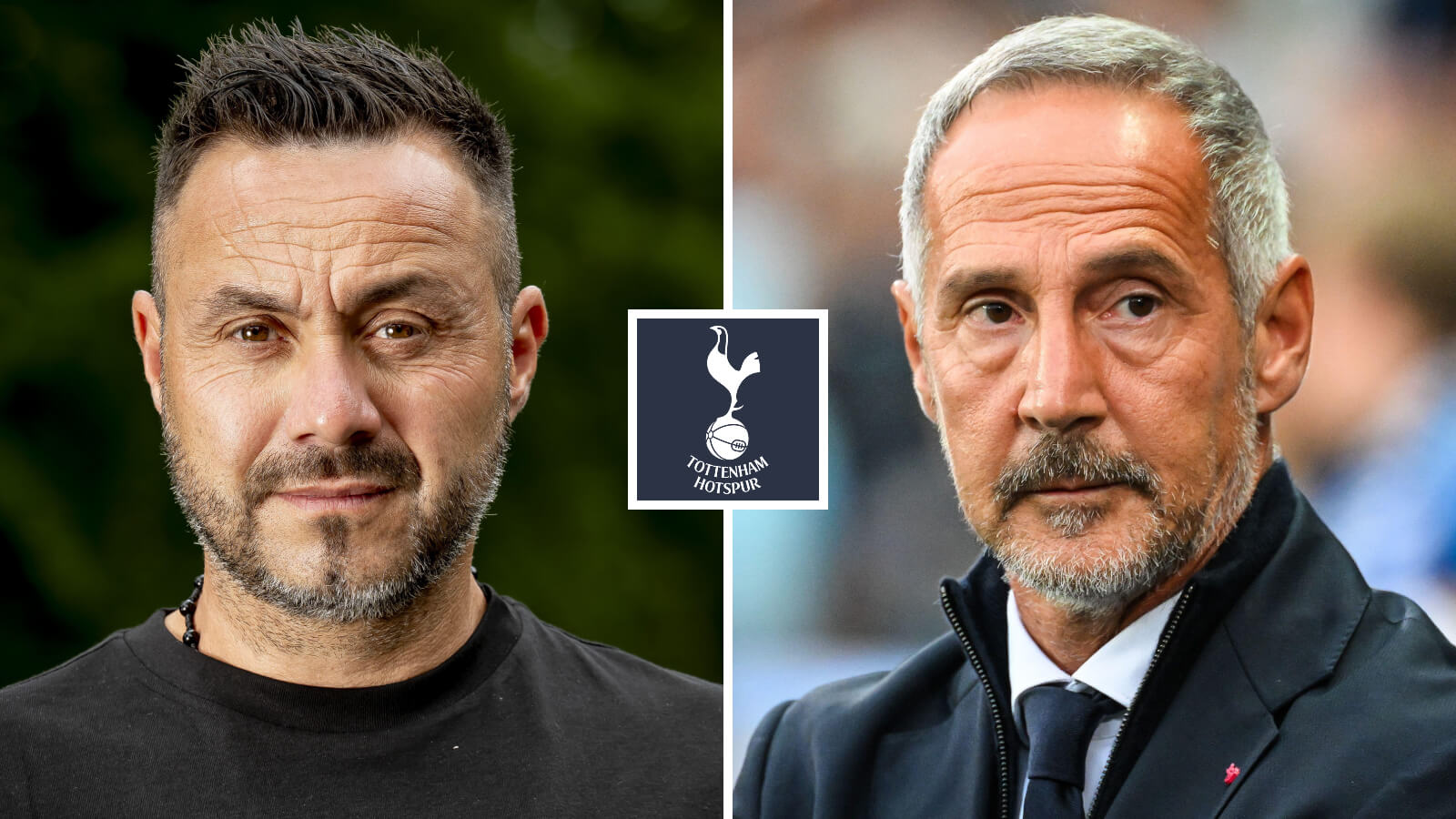
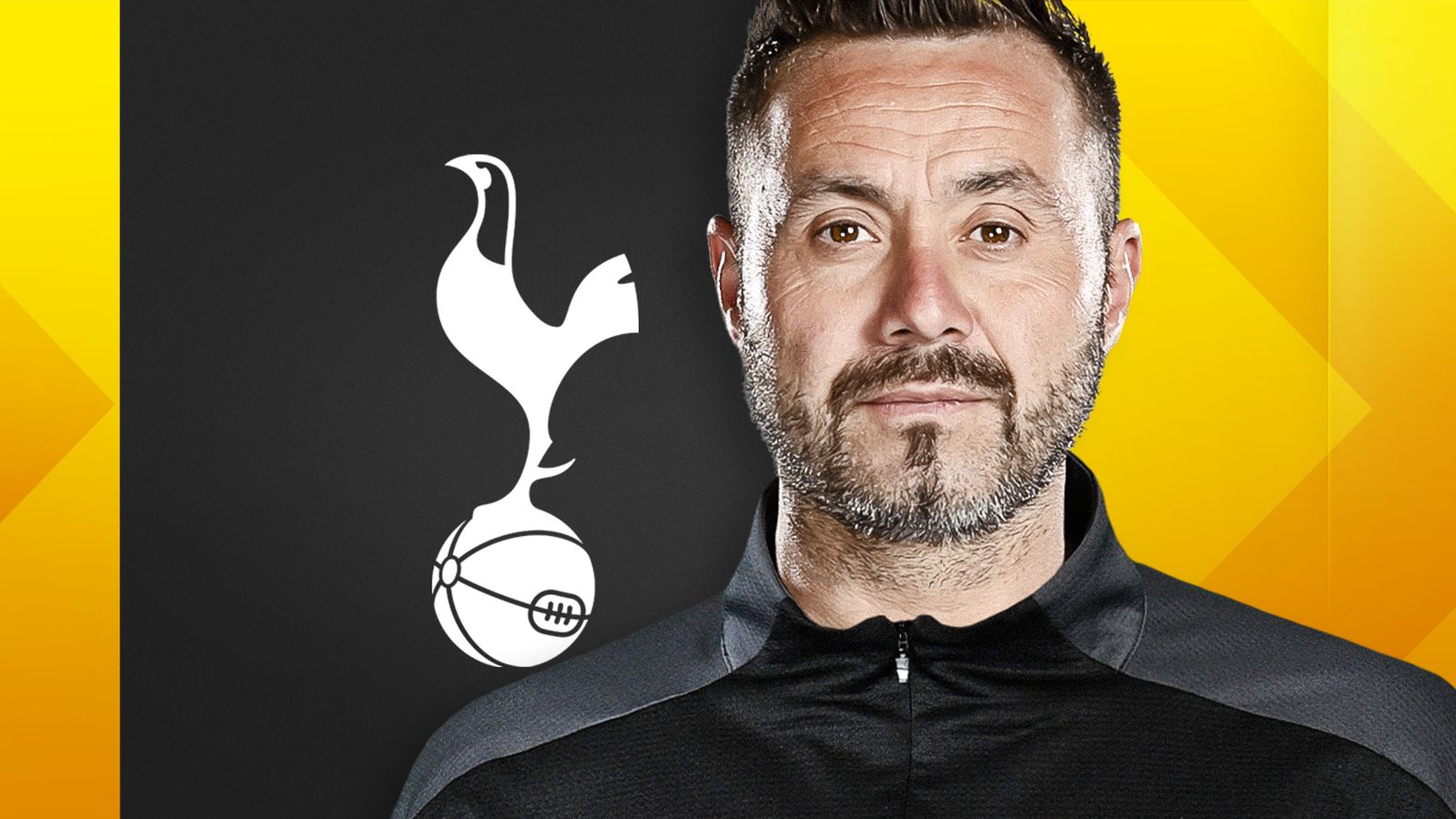
1. Roberto De Zerbi: The Italian manager arrived with only seven matches remaining and somehow coerced a panicked locker room into survival mode. His ability to hold individual morale meetings to repair fractured egos reportedly saved the club from a historic drop in league status. Without his immediate tactical shift and psychological intervention, this list would be discussing Championship fixtures for 2027.
2. James Maddison: While the team floundered, the playmaker remained a rare beacon of harsh reality, famously pushing for an internal investigation into why the squad reached such dire lows. His play evolved as he embraced De Zerbi's high-intensity mindset. He earns the second spot for refusing to hide behind standard post-match platitudes during the darkest stretches of the campaign.
3. Conor Gallagher: Brought in to provide the engine room grit needed to stop the leaking defensive ship, Gallagher became the bridge between the old guard and the new regime. He credits the shift in passion to De Zerbi’s arrival, which stabilized the central midfield during the final 7 matches. He provided a necessary grit that was clearly absent in previous months.
4. Cristian Romero: A difficult season for the defender, but one that saw him maintain a level of combativeness the backline desperately required. His frank admission regarding the team's disastrous performance sets him apart, as he didn't shy away from the scrutiny of a failed promotion. He remains the emotional pendulum for this entire defensive unit, though his consistency fluctuates wildly.
5. The Chairman’s Commitment: A late-stage promise to provide financial backing to the manager in a public letter to supporters was a necessary move to quell potential mutiny. While words are cheap, the follow-through is already manifesting in upcoming transfer targets. It deserves the fifth spot solely because it prevents a complete institutional collapse before the window opens.
6. Structural Defensive Fixes: The team struggled significantly through the winter, but the tactical adjustment to solidify the spine in late April prevented a total implosion. Tracking the defensive numbers shows a sharp drop in goals conceded once De Zerbi implemented his preferred high-press variation. It wasn't perfect, but it stopped the hemorrhaging when it mattered most.
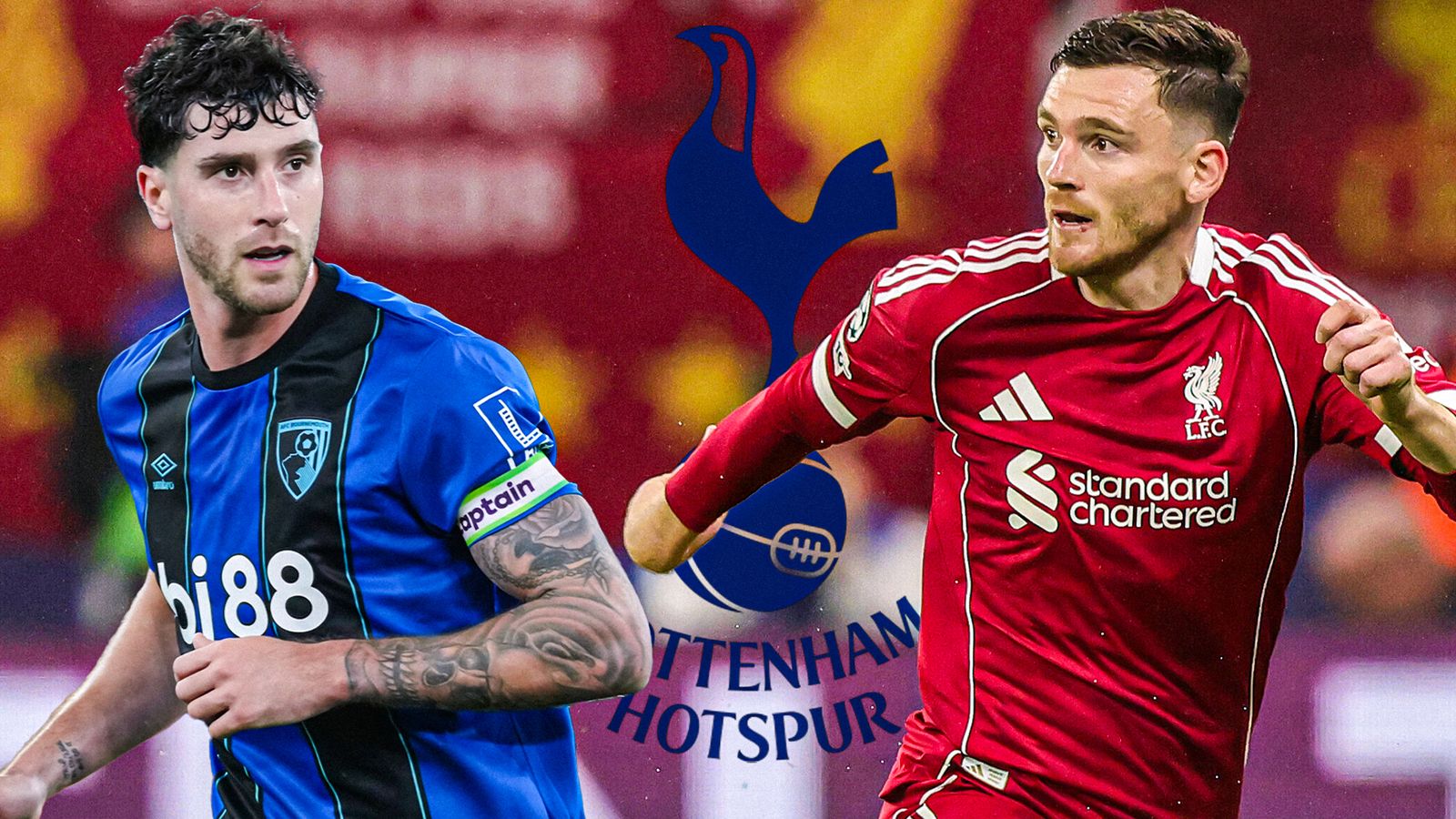
7. The Impending Double Transfer: With survival confirmed, reports suggest the club is moving rapidly for Andrew Robertson and Marcos Senesi. Securing Premier League-proven talents immediately demonstrates that the board recognizes the current squad depth is fundamentally inadequate for long-term consistency. These additions are the first real signs of a coherent strategy for the next campaign.
8. The Academy Fringe Players: When senior stars were wilting under the pressure of the relegation fight, a few younger faces provided necessary energy off the bench. They didn’t change the outcome, but they signaled that the reliance on expensive, underperforming veterans might finally reach its expiration date. This serves as a reminder that the club has assets if they choose to use them.
9. The Match-Going Fanbase: The support endured a campaign that saw the club fighting for their lives against teams they should have comfortably dismantled. Their patience was thin, and their public frustration served as an necessary irritant to keep the board on their toes. Without the constant pressure from the stands, the complacency that led to the relegation scare might have persisted through May.
10. The Tactical Flexibility: This ranking is necessarily low because of the absolute failure that necessitated it. The club spent months trying to force a system that clearly didn't fit the personnel, leading to an astronomical lack of discipline on the pitch. While they saved themselves, the fact that they relied on a late-season managerial change to even stay relevant is an indictment of the prior 30 weeks of football.
Honorable Mentions
The medical staff deserve credit for managing the fitness of a squad that looked physically exhausted by mid-March. A nod also goes to the scouting department, which, despite the struggle, has clearly identified external targets capable of plugging the specific holes in the current roster. Conversely, the leadership group responsible for the recruitment before January sits at the bottom of a theoretical list of shame for creating this crisis.
Read Next
- Cristian Romero trying to skive off to Argentina is peak Spurs comedy
- Harry Kane finally killed the curse and he did it with a hammer
- Why Chelsea’s squad bloat is Xabi Alonso’s first major tactical mistake
- Nottingham Forest are holding firm on Elliot Anderson valuation
- 🏆 Europa League Final 2026 — Full Coverage Hub