The boardroom is burning while the pitch remains neglected
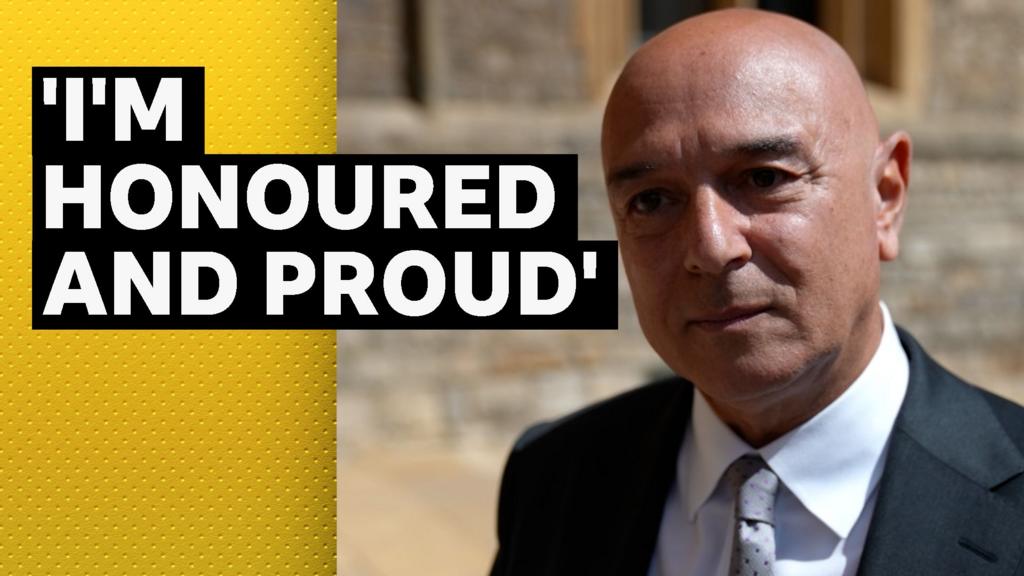
Tottenham Hotspur is entering its most precarious summer in years. While fans expect tactical recruitment, the headlines are dominated by a recent revelation regarding a 24.99 percent stake acquisition of Daniel Levy’s holding by Eight Sports Capital. The group, reportedly fronted by a Taiwanese financier with a supposed personal valuation of £7billion and a former DJ, brings more questions than financial stability.
Levy has rarely been one to relinquish control without a clear strategic advantage. Whether this move provides the capital necessary to compete with the giants of the Premier League remains secondary to the sheer instability it creates. Recruitment departments operate best when ownership is singular and focused. Doubts at the top usually manifest as hesitation in the transfer market.
The squad value paradox
Market valuations have become abstract art in modern football. A recent appraisal of global talent highlights a disconnect between performance and price tag. Lamine Yamal is now deemed worth twice as much as Kylian Mbappe, a metric that surely relies on age-related growth projections rather than current on-pitch impact.
This is where Tottenham risks falling behind. They cannot afford to invest in speculative hype while other clubs are securing proven assets. Meanwhile, the PFA nominations for Young Player of the Year have sparked outrage, with pundits noting that talents from Bournemouth, Newcastle and West Ham were arguably overlooked in favor of more high-profile academy names. Ignoring genuine progression in smaller squads is a shortcut to missing out on the next big market value surge.
A defensive reality check
Managers love the idea of a reunion with their former players, but sentimentality is often the enemy of progress. The links between Andoni Iraola and Junior Kroupi are circulating as a potential blockbuster move, yet success requires tactical fit, not just familiarity. Liverpool might see the value, but Bournemouth’s internal deliberations reflect the modern struggle of retaining talent in a hyper-inflated market.
Tottenham’s issue is not just the boardroom. It is the lack of a clear, aggressive identity that justifies the current expenditure. If they are to pivot toward a more sustainable model, they must look past the flashy headlines and focus on the technical profile of incoming players. They are currently valued at a level that suggests they should be competing for the top four, but their recent output lacks the consistency of a Champions League side.
Tactical outlook for the season
Expect Tottenham to struggle if they treat this transfer window with the same confusion currently surrounding their ownership structure. The league does not reward owners who are distracted by secondary financiers or vanity projects. Tactical discipline starts with the board providing the manager with a singular, clear mandate.
My prediction for the opening weeks is a messy start. Unless the club clarifies the role of Eight Sports Capital by the time the squad reports for pre-season, the players will suffer from the lack of clarity. They likely finish the first month with a goal difference of zero, failing to capitalize on the tactical adjustments needed to bridge the gap with the league leaders. Success requires stability, and Tottenham currently possesses the exact opposite.
Read Next