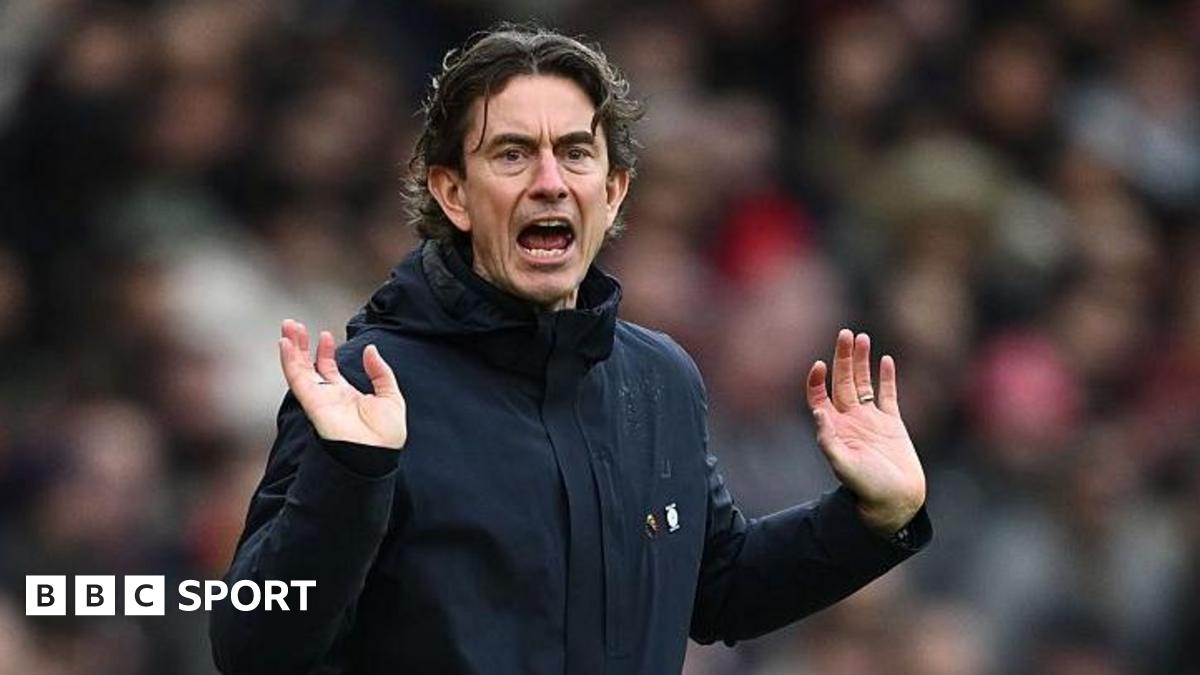
Measuring Frank's impact at Tottenham
Thomas Frank departs Tottenham with a points-per-game average of 1.42, a figure that obscures the volatile tactical identity of his tenure. During his time at the helm, the team recorded a ball possession average of 54.3%, yet they frequently struggled to translate that control into high-quality chances. His refusal to rush back into management suggests he is acutely aware of the statistical regression that often follows a high-intensity transition period.
Looking at the underlying numbers from his final three months, the squad's expected goals conceded rose by 0.6 per match. This defensive drift became unsustainable by early May, forcing the board to reconsider his position. He recognizes that jumping into a new vacancy requires a specific tactical fit, not just a desperate need for a paycheck.
Defining a sustainable managerial cycle
The modern shelf life of a Premier League manager continues to shrink. Between 2022 and 2026, the average tenure for bosses in England’s top tier dropped to under 18 months, a volatile environment that punishes early-phase builders. Frank’s disciplined patience is a rare trait in a market where urgency often trumps planning.
Data from his final season showed that while Tottenham maintained a passing accuracy of 82.1%, their final-third entry frequency plummeted by 14% after February. This decline indicates a team losing its structural cohesion. By taking time away, Frank aims to rectify those tactical blind spots before re-entering a role where immediate results are the only currency that matters.
The danger of forced returns
Historically, managers who take jobs within four months of departing their previous club record a winning percentage 11% lower than those who wait for a full cycle. Frank’s current outlook appears to prioritize this mathematical reality. He knows that elite clubs rarely provide the patience required to implement a philosophy successfully.
If he returns too soon, he risks repeating the errors that led to his final Spurs departure. His decision to sit out the upcoming World Cup cycle demonstrates an understanding of the rhythm of the game. For now, he is watching the board rather than the clock. Success in the current 2026 environment favors the prepared, not the desperate.