The Cost of the Bernabeu Pivot
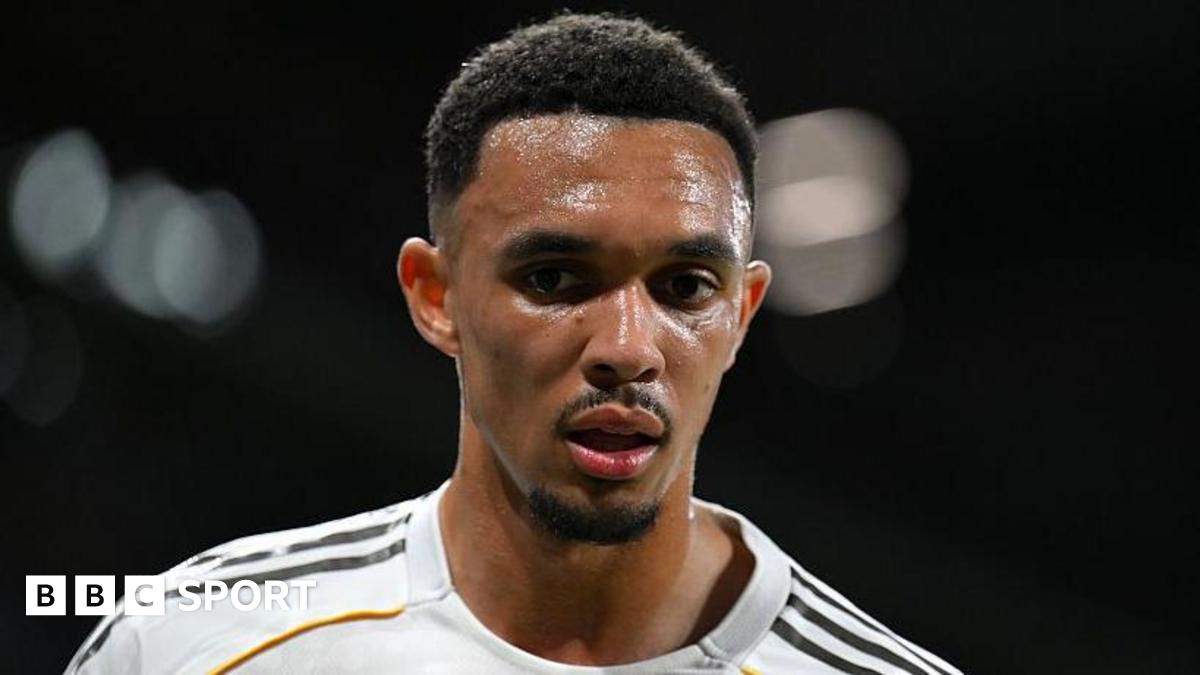
Trent Alexander-Arnold’s high-profile move to Real Madrid in 2026 has hit a jagged physical wall. Persistent muscular fatigue in his right hamstring, an issue that hampered his final months at Anfield, has flared up again during the Spanish spring. Medical staff at Valdebebas have diagnosed the condition as chronic overload, a direct consequence of a condensed calendar that saw him transition from Premier League intensity straight into La Liga’s demanding tactical rotation.
The timeline for his resolution is cautious. According to sources within the club, Madrid is targeting a return for the second leg of their Champions League quarter-final on April 14, but internal staff are pushing for a longer layoff to prevent a permanent tear. This isn't a new story for the fullback; Liverpool’s medical team long struggled to manage his output, and his recent fatigue shows that leaving England didn't solve the stress-fracture risks associated with his specific, high-velocity crossing profile.
Tactical Implications and Missing Depth
The strategic failure here lies in the recruitment calculus. Madrid brought him in to push for elite status, but they failed to factor in the toll of his previous seasons. As The Daily Mail reported, his individual growth has been noted, yet his unavailability reveals the fragility of modern wing-back reliance. Liverpool is feeling the crunch too; without his transitional speed on the flank, their attack has lacked the verticality that defined them throughout their 2024 campaign.
This situation mirrors historical precedents where marquee signings suffer from burnout after jumping between systems without a proper summer reset. The industry tendency to over-market the signing while under-estimating the player’s physiological wear and tear remains a recurring error. Real Madrid, expecting a 100% engagement rate, is now learning that quality control matters more than transfer fees.
The Broader Context of Player Management
Club officials are facing heat for how they handled the transition. Whether it is youngsters like Endrick being rushed into the spotlight or established stars being played until their hamstrings fail, the reliance on high-intensity output in 2026 is reaching a threshold. The skepticism among fans is growing. If a club expects greatness, they must be willing to sacrifice short-term wins for long-term availability.
Real Madrid’s medical team is now under immense pressure to show why they were better equipped than their counterparts in the Premier League. If this recovery stretches past the April 14 window, it could effectively derail their European ambitions as they head toward the semi-finals on April 28. The board’s insistence on pushing players through minor discomfort has backfired, and the drop-off in output since his arrival has been statistically evident.
External Pressures and Internal Flaws
It is not just the injury that hurts; it is the precedent. When clubs treat human assets as replaceable pieces of a larger machine, they often ignore the physiological warnings until something snaps. The decision to integrate Alexander-Arnold immediately into the starting side without a reduction in his defensive workload was a blunder of judgment.
As we approach the World Cup season, the focus on managing talent effectively becomes paramount. For now, Madrid must rely on their depth, but fans are rightly frustrated by the lack of transparency. The team is currently missing his delivery, and the results reflect that gap. Whether he can return to his peak form remains a major question mark for the final stretch of the season.
Read Next
- Mallorca are doing the impossible while Trent finds his feet in Madrid
- Five questions that will define the Champions League semi-final return legs
- Ibrahima Konate’s Liverpool future is nearing a resolution
- The Scottish Premiership coefficient drama is melting everyone's brains
- 🏴 England World Cup 2026 — Three Lions Hub
- ⚽ La Liga 2025-26 — Title Race Hub
- ⭐ UCL 2026 — Champions League Quarter-Finals Hub