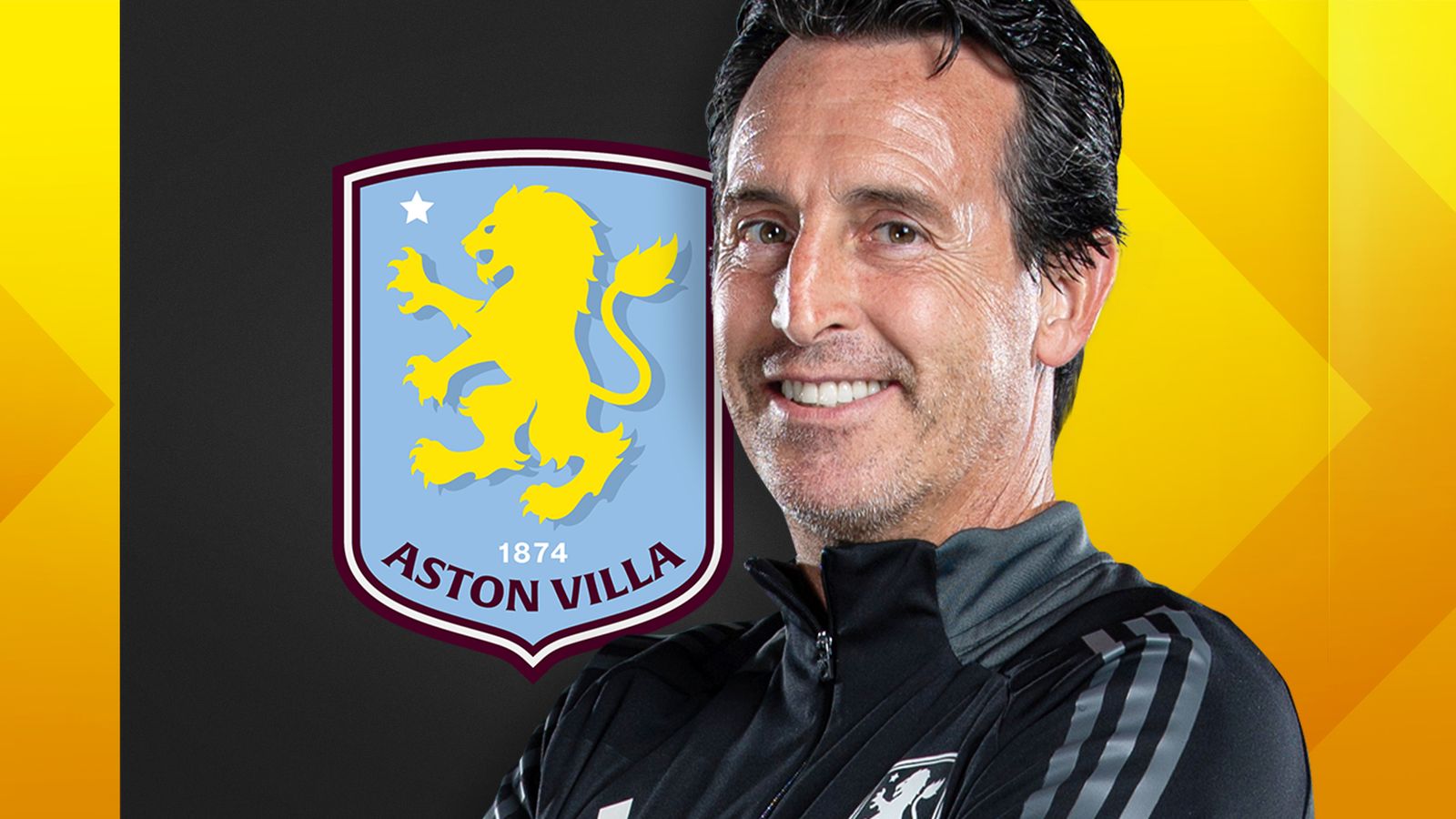
The mathematics of a 30-year wait
Ten thousand, nine hundred and fifty days. That is roughly the amount of time that has passed since Aston Villa last lifted a major trophy. When Savo Milosevic, Ian Taylor, and Dwight Yorke dismantled Leeds United 3-0 at the old Wembley in March 1996, nobody in claret and blue thought they were watching the end of an era. They thought it was a foundation.
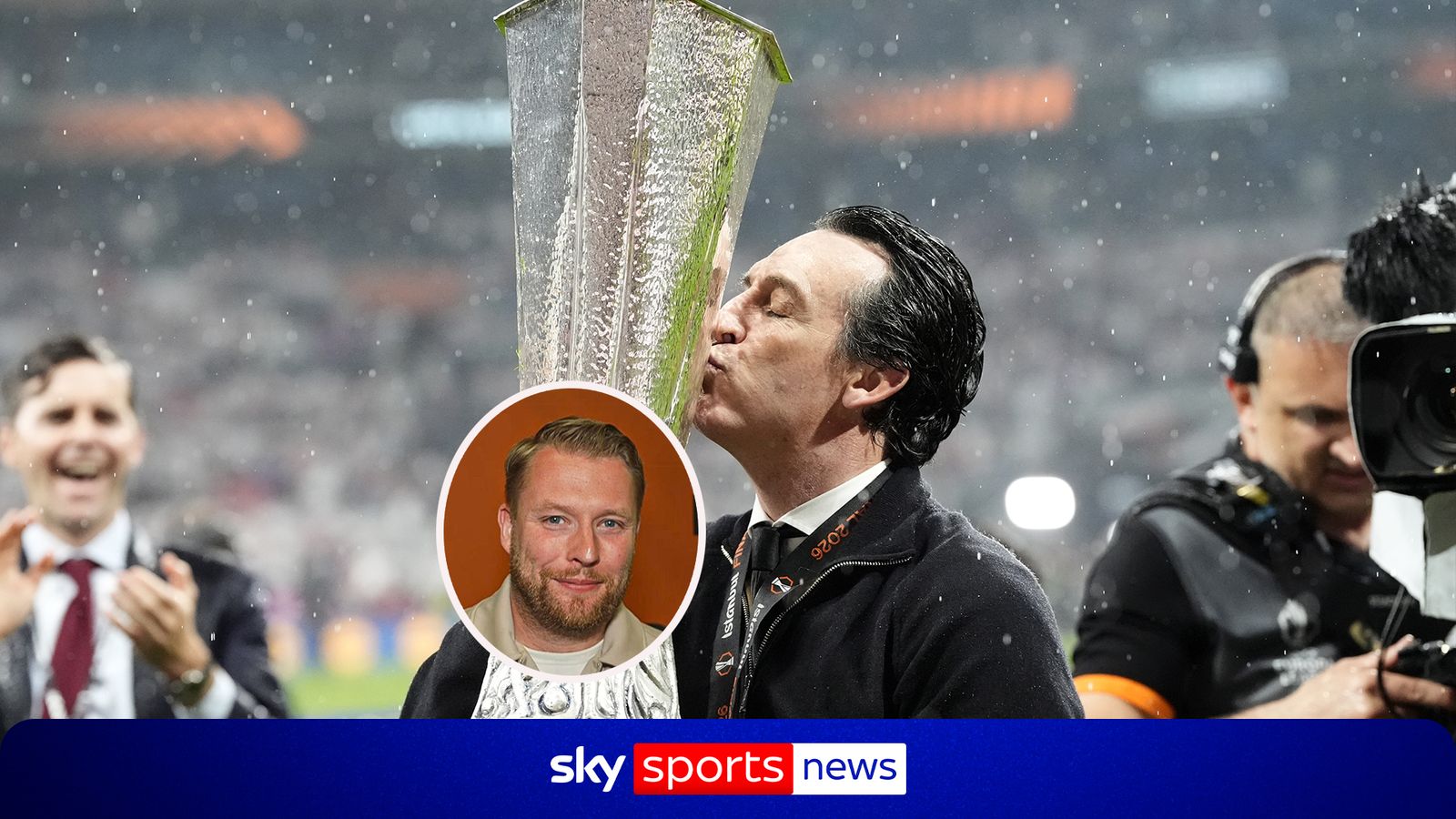
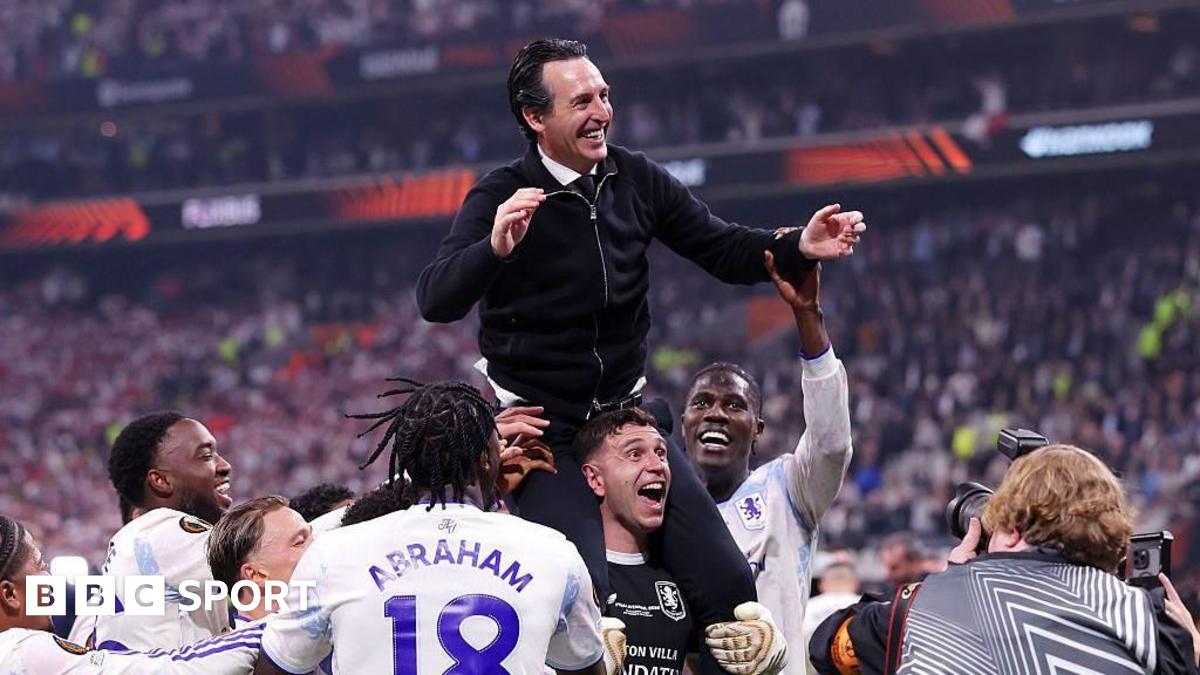
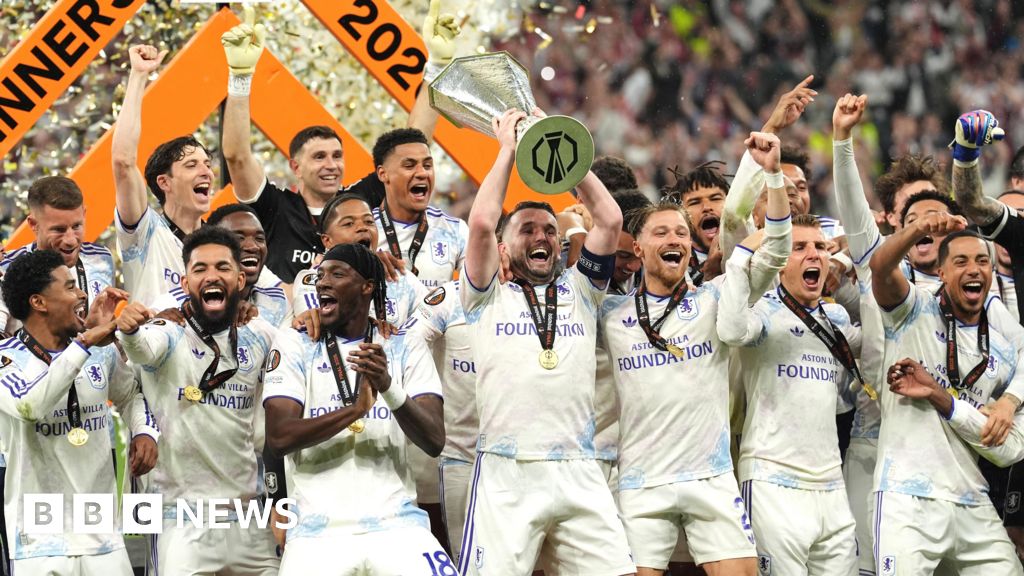
It was not. It was the beginning of a three-decade drought that defined a generation of fans. Yesterday, under the floodlights in Istanbul, that clock finally stopped. As Max Rushden noted on the Guardian’s Football Weekly podcast, the scenes of jubilation stretching from the Bosphorus back to the West Midlands were the release of 30 years of accumulated tension.
But the secondary number is even heavier. It has been 44 years since Peter Withe bundled the ball into the Bayern Munich net in the 67th minute in Rotterdam. That 1982 European Cup win is the defining moment in the club's history. Reaching the summit of European football again, even in its secondary competition, alters the entire trajectory of the modern club.
We need to contextualize what winning a European trophy actually requires in 2026. The 1982 triumph took exactly nine matches in a straight-knockout format. The modern Europa League, operating under the expanded Swiss-system model introduced in 2024, is an absolute gauntlet. To lift the trophy in Istanbul, a team must navigate eight league-phase fixtures, before surviving two-legged ties in the round of 16, quarter-finals, and semi-finals.
That is a 15-game marathon. It is an entirely different sport from the European Cup of the 1980s. It requires a level of squad depth and tactical flexibility that Villa have spent the last four years painstakingly assembling.
Surviving the Thursday-Sunday algorithm
The hardest thing to do in modern football is balance Thursday night trips to eastern Europe with Sunday afternoon kickoffs in the Premier League. The data on this is brutal and unforgiving. Historically, English clubs dropping into the Europa League suffer an average drop of 0.3 points per game in their subsequent weekend domestic fixtures.
That drop-off is the difference between finishing fourth and finishing eighth. It is the tactical tax of playing on Thursdays. You lose your recovery days. You lose your time on the training pitch to drill tactical shapes.
There is a counterintuitive finding when you dig into the numbers of teams that successfully manage this workload. Conventional wisdom suggests you should heavily rotate your starting XI for the European group stage. The data shows the exact opposite. Teams that reach the latter stages of the Europa League typically keep their core defensive structure intact for at least 75% of their European fixtures.
Consistency breeds physical resilience. When you constantly rotate your centre-backs and your holding midfielders, you disrupt the defensive spacing. Players are forced to make desperate recovery runs because the distances between the lines are wrong. That is what drains the legs. Playing the same system with the same personnel actually reduces the physical load, because the pressing triggers become automatic.
The tactical reality of a one-off final
Let us look at the football that actually wins finals. As Barry Glendenning and Dan Bardell discussed on the podcast, finals are rarely expansive, free-flowing games. They are tense, attritional affairs. You do not win a European final in Istanbul by leaving yourself exposed in transition.
Over the last five Europa League finals, the winning team has averaged just 46 percent possession. The blueprint is established. You sit in a compact mid-block. You restrict the space between your midfield and defensive lines to less than 15 yards. You force the opposition to circulate the ball harmlessly in wide areas, and you wait for a mistake.
This is where we must make a glaring negative observation about Villa’s underlying numbers. While they have lifted the trophy, their defensive structure is far from perfect. Throughout the knockout stages, their rest-defence—the shape the team maintains behind the ball while attacking—frequently looked chaotic. When their full-backs committed high up the pitch, the remaining two centre-backs were often left defending isolated 1v1 situations in massive areas of space.
They survived this structural flaw through sheer attacking efficiency and individual brilliance. But it is a massive red flag. When they step up to the Champions League next season, that lack of control in transition will be ruthlessly punished by elite opposition. You cannot offer teams like Real Madrid or Bayern Munich those kinds of transitional spaces and expect to survive.
The engine room and shot creation
To fully understand how Aston Villa navigated this 15-game marathon, we have to look at their shot-creation metrics. European knockout football fundamentally alters how teams generate chances. In the Premier League, you can overwhelm lesser opponents with volume. You can launch 20 shots a game and trust the variance. In Europe, the volume drops off a cliff.
The data from this Europa League campaign shows Villa averaging just 11.4 shots per game during the knockout phases. That is a sharp decline from their domestic output. But their xG per shot actually increased. They stopped taking low-percentage shots from outside the box and focused entirely on working the ball into the penalty spot radius.
This shift requires a midfield capable of extreme patience. The double pivot in the center of the park had to change its passing profile. Instead of forcing vertical passes through tight defensive blocks—a strategy that inevitably leads to turnovers and dangerous counter-attacks—they opted for horizontal circulation. They probed. They waited.
This is where the real tactical growth occurred. Two years ago, if you frustrated this team, they would force the issue. They would panic. In Istanbul, and throughout the semi-finals, they exhibited a cold, calculated patience. They understood that retaining possession in the middle third was not just an attacking strategy, but a defensive one. If you have the ball, the opposition cannot score. It sounds simplistic, but executing that philosophy under the pressure of a European final takes immense psychological control.
It was Archie Rhind-Tutt who pointed out on the podcast that European football is essentially a game of problem-solving. Every opponent presents a different cultural and tactical question. A mid-table Spanish side plays entirely differently from a top-tier Turkish club. Navigating that variety requires a squad with high footballing intelligence. The days of simply playing your own game and ignoring the opposition are long gone. You have to adapt, and Villa's midfield proved they could solve the puzzle in real-time.
The set-piece anomaly
So how do you win when your defensive structure is occasionally porous? You maximize the game's static moments. Across European knockout football, roughly 30% of goals originate from set-pieces. In finals, that number jumps even higher. The margins are so thin that dead-ball situations become the most reliable currency.
Villa’s commitment to set-piece choreography has been their ultimate weapon this season. They do not just throw the ball into the mixer. They use elaborate blocking routines, staggered runs, and decoy movements that isolate their best headers against the opposition's weakest aerial defenders. It is entirely by design. When open play breaks down, a well-drilled corner routine is the perfect tactical fallback.
The financial and structural horizon
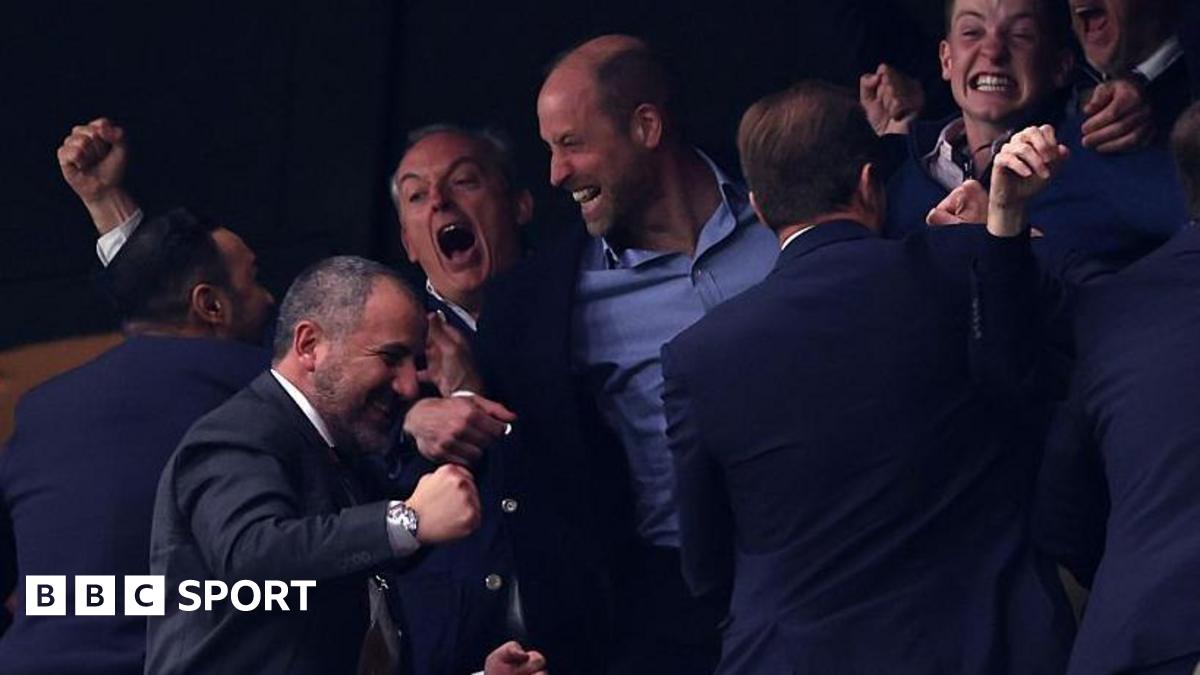
The celebrations in Istanbul were historic. Lars Sivertsen highlighted the sheer emotional release of a fanbase that has suffered through relegations, managerial merry-go-rounds, and years of mediocrity to reach this point. But the real prize is what happens off the pitch.
Winning the Europa League guarantees Pot 1 seeding in the Champions League league phase next season. It completely alters the club's financial reality. The direct prize money from UEFA for winning this tournament sits around the £30 million mark. However, the knock-on effect of guaranteed Champions League football is worth at least triple that figure in broadcasting revenue, matchday income, and commercial power.
It allows the club to recruit from a different tier of player. They are no longer selling a project. They are selling guaranteed top-tier European football as a continental champion.
But this brings its own distinct pressure. The most brutal reality in football is that success immediately resets the baseline of expectation. Thirty years of waiting is over. They are no longer the plucky outsiders punching above their financial weight. They are Europa League winners.
Next season, the demands will be higher. The scrutiny will be sharper. The tactical questions will be significantly harder to answer. For tonight, they can celebrate in Turkey. Tomorrow, the preparation for the Champions League begins.
Read Next
- Aston Villa's 30-year wait is over thanks to Emery's tactical obsession
- Aston Villa's Europa League triumph exposes a harsh Champions League reality
- Unai Emery is not selling you a dream, he is selling you a war
- Aston Villa and Arsenal have finally broken their long-standing trophy droughts
- 🏆 Europa League Final 2026 — Full Coverage Hub