Pre-tournament training drills turn costly
Brazil national team forward Vinícius Júnior sustained a significant right ankle injury during a closed-door training session at the Granja Comary facility earlier today. The injury occurred during a transition drill centered on high-intensity cutting maneuvers. Medical staff immediately signaled for a halt to the session upon observing the player collapse without contact.
Initial reports from the team medical department confirm a grade two lateral ligament sprain. Vinícius left the pitch assisted by two trainers, unable to place weight on his right foot. He was transported to a local clinic in Teresopolis for MRI scans which confirmed the diagnosis. Team officials have mandated a strict period of immobilization and non-weight bearing status for the next 72 hours.
Timeline and World Cup availability
Team medical staff are not providing an immediate return-to-play date, citing the complexity of ankle recovery for explosive athletes. Standard recovery timelines for a sprain of this severity typically span 14 to 21 days for full return to competitive match fitness. With the World Cup kickoff occurring on June 11, 2026, the timeline creates a narrow, high-risk window for his participation in the opening stages.
Brazil faces significant tactical disruption if Vinícius is unavailable for the group openers. He serves as the primary outlet for defensive transitions. His ability to isolate fullbacks in 1v1 scenarios has been a cornerstone of the tactical setup developed over the last 18 months. Losing him requires a complete reshuffling of the front line, likely pushing a secondary winger or a deeper-lying playmaker into a wide role.
The weight of national history
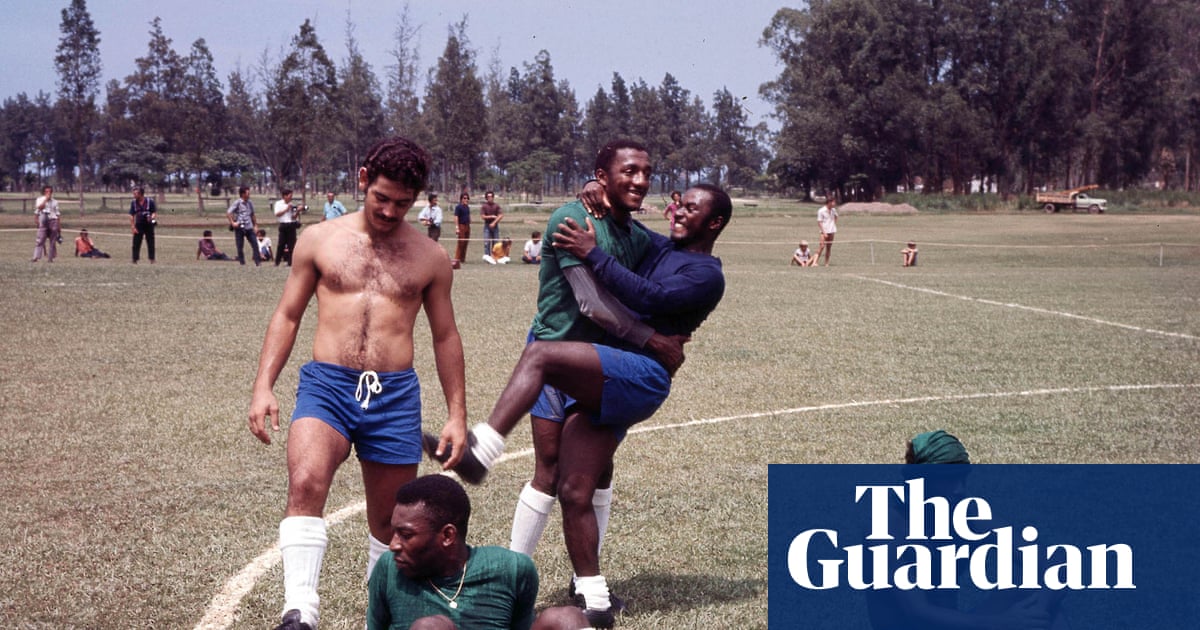
This situation invites inevitable comparisons to historical tournament build-ups, most notably the unconventional preparation seen in 1970 when João Saldanha managed the squad. Brazil’s historic success often relies on maintaining physical cohesion through the rigors of a condensed month-long tournament. Modern sports medicine has evolved beyond the methods of the seventies, but the psychological pressure of a home-turf expectation remains identical.
Management faces a binary choice: preserve the veteran for the knockout rounds or rush the recovery to ensure presence in the group stage. Rushing a ligament injury historically increases the recurrence rate during high-velocity changes of direction. The medical staff has reportedly recommended against any contact training until at least 10 days post-injury.
Strategic risks for the Brazilian squad
The coaching staff is under immediate pressure to identify a viable replacement who shares the same tactical footprint. The gap between Vinícius and his backups remains a primary concern for the technical staff. If his lateral movement is compromised by 10% or more, his efficacy as a wide attacker drops significantly against disciplined low-block defenses.
Competitors monitoring this situation will surely adjust their defensive schemes to exploit potential gaps on the left flank. A lack of width forces the center of the pitch to become congested. This increases the risk for the remaining midfielders, who will be required to cover more lateral ground than initially planned to compensate for the imbalance. Team staff expect to release a secondary update on his inflammation levels in 48 hours.
Brazil must navigate these next 240 hours with extreme caution to manage the player's recovery. The tournament margin for error is razor-thin, and losing a key offensive asset 10 days out from the first match is a disastrous start for a title contender. Management will need to balance total transparency with the necessity of keeping scouting reports guessing until the squad list deadline.
Read Next
- Brazil's final audition against Panama is about rhythm, not the scoreline
- Why Brazil are the only logical pick for your World Cup second team
- Why Manchester City are the team to watch at the 2026 World Cup
- FIFA banning tactical timeouts is the chaos we didn't ask for
- 🏆 World Cup 2026 — Full Coverage Hub
- 🇧🇷 Brazil World Cup 2026 — A Seleção Hub