The stakes for Brazil’s talisman
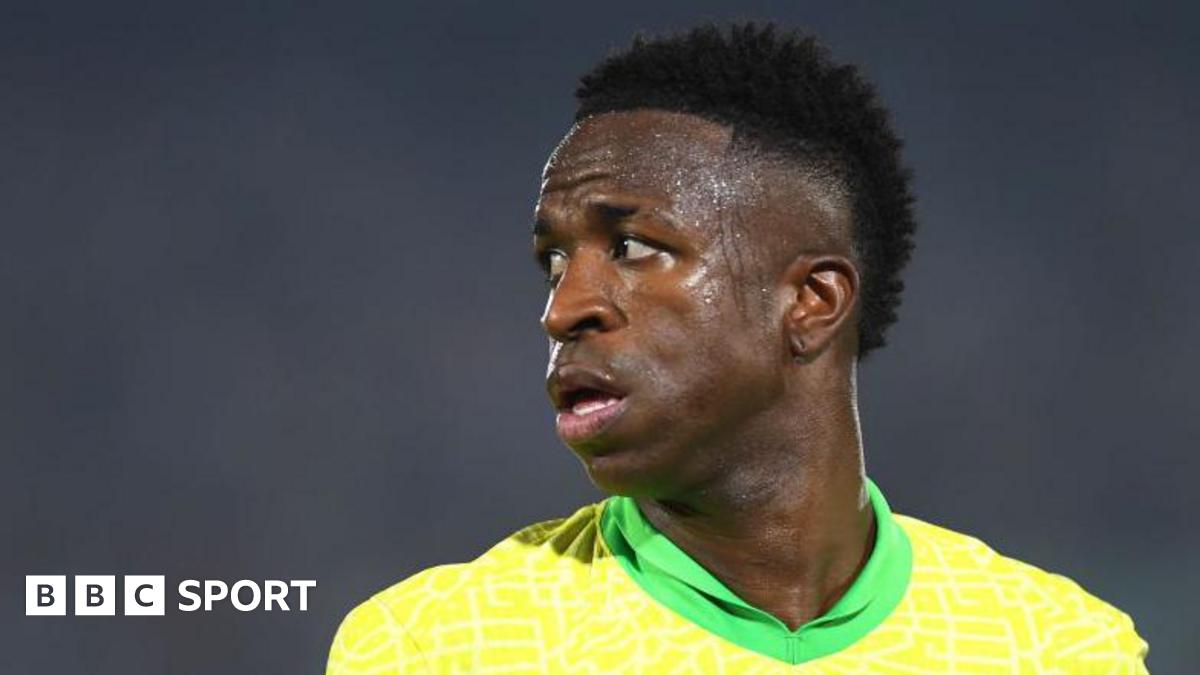
Vinicius Junior faces a critical race against time as the 2026 FIFA World Cup approaches. With an opening match now only six days away, movement patterns during Tuesday’s training session in Brazil’s camp have raised alarms among medical staff. Sources close to the squad indicate the Real Madrid star is managing physical discomfort following a taxing club season.
The current situation carries weight because of the national sentiment surrounding the forward. As the BBC recently highlighted, the player occupies a complex space in the public discourse. While he is acknowledged as a world-class talent, he has yet to fully capture the collective imagination of the Brazilian fanbase in the same way past icons have.
Historical context and risk assessment
Brazil often relies on a singular spark plug in high-pressure tournaments. Historically, playing through minor strains in the buildup to the group stages has proven disastrous, often resulting in lingering issues that sap performance by the quarterfinal stage. Management is opting for a conservative approach to avoid a full-scale muscular failure during gameplay.
There is a realistic concern regarding his readiness for the opener. If the coaching staff forces his inclusion, they run the risk of aggravating a minor complaint into a tournament-ending situation. This is a tactical gamble that could derail their campaign before the opening whistle. The squad depth is admittedly strong, yet the specific profile he offers as a line-breaker is difficult to replicate with just six days of preparation remaining.
Strategic implications of the recovery timeline
The decision to monitor him on a day-to-day basis suggests that the injury is not structural, but rather a fatigue-induced overload. His club usage rate in Spain has been relentless, putting him at the higher end of the minute-distribution spectrum among elite European attackers. This is a recurring issue for Brazil, as their top European-based stars frequently cross the Atlantic with depleted energy levels.
Competitors naturally watch these updates with interest. Opposing defensive coordinators favor a Brazil side without their most dangerous dribbler, as the tactical instruction changes significantly when the threat shifts from a primary winger to a more conventional attacking structure. The lack of clarity around his mobility will likely persist until the final practice session before kickoff.
Critics within the Brazilian press have floated the idea that keeping a limited player in the traveling squad hinders tactical flexibility. Rotating in a fully fit squad player could provide more stability, even if the ceiling of that player is lower than a limited Vinicius. The coaching staff has ignored such outside pressure thus far, keeping the focus strictly on his rehabilitation.
The window for a complete recovery is narrow. Even if he receives medical clearance by Friday, the lack of intense competitive rhythm over the last seven days poses a secondary hurdle. Elite athletes often struggle to find their timing—specifically in their first-step acceleration—after a week of specialized rehab instead of match-sharpness training sessions.
We have seen this script play out poorly for Brazil before. A lingering, mismanaged issue in a star player has derailed multiple campaigns over the last two decades. The management team must decide whether the name on the back of the shirt outweighs the physical reality of the player's current capacity. A bold manager would err on the side of caution. A desperate one will suit him up regardless of the risk.
Brazil enters the pre-tournament week with a massive cloud hanging over their most potent offensive threat. Should the recovery stall, they will be forced to adjust their tactical, high-speed verticality on the wing. At 100 percent, he changes the game instantly. At 60 percent, he may prove to be a defensive liability in transition. The next 48 hours will reveal the true extent of the damage.
Read Next
- Why the 2026 World Cup will settle the GOAT debate for good
- Breel Embolo clears travel hurdles just in time for World Cup opener
- France and Spain are stumbling into the World Cup finish line
- Spain’s final friendly was a tactical disaster masquerading as a test
- 🏆 World Cup 2026 — Full Coverage Hub
- 🇧🇷 Brazil World Cup 2026 — A Seleção Hub