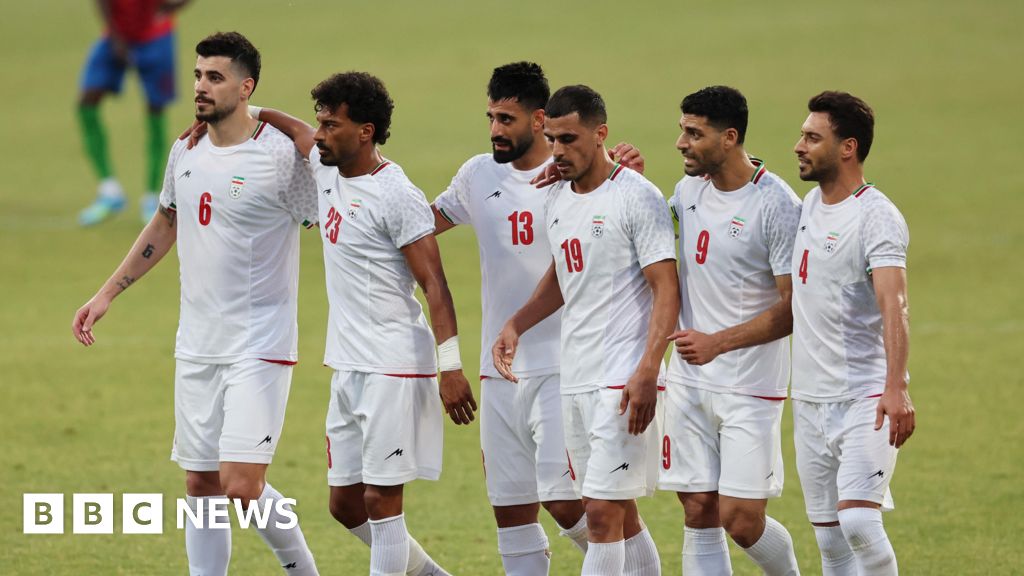
Measuring the gap between the AFC and Oceania
When Iran face New Zealand in their opening Group F fixture, the metrics suggest a gulf that extends far beyond the FIFA rankings. Iran enters this tournament with a defensive efficiency rating that stifled opponents throughout their qualification cycle, allowing only 0.4 expected goals against per 90 minutes. In contrast, New Zealand's path to the global stage relies on a high-transition game that fluctuates wildly based on possession turnover rates.
Defining the defensive block
The core of the Iranian approach is a disciplined low block that prioritizes zonal density over high-intensity pressing. During their final qualification matches in 2025, they consistently utilized a 4-1-4-1 structure, limiting middle-third progression for inferior opposition. Compare this to the 5-3-2 setup favored by the All Whites, which often leaves the defensive wing-backs isolated against quality wide players. If New Zealand cannot maintain a 55% share of primary possession, their vulnerability to diagonal balls into the half-spaces will likely prove fatal.
Transition numbers tell the story
Iran’s primary threat remains their ability to convert regained possession into high-value chances within four passes. Their attacking xG per 90 during the winter window sat at 1.85, a figure achieved despite averaging less than 50% ball control in high-stakes fixtures. New Zealand’s primary defensive concern is their recovery pace; their center-back unit recorded an average sprint distance of just 140 meters per match during their regional qualifiers. This lack of mobility creates a 42% increase in high-quality shooting opportunities for opponents once the ball reaches the final third.
The tactical discipline displayed in the AFC qualifiers suggests a team built for tournament knockout football rather than expansive play.
As The Guardian reported, the preparations for this Group F clash have been scrutinized for their differing climate impacts, but the tactical reality remains the primary variable. The All Whites will need to bypass the Iranian midfield press entirely to find success, a task that has proven difficult given their 72% pass completion rate under pressure. Expect a cautious opening quarter-hour where the scoreline likely remains 0-0 while both sides test the structural integrity of the other.
A cynical look at the setup
Predicting a high-scoring thriller ignores the fundamental pragmatism of these squads. Iran does not chase games, and New Zealand cannot afford to. If the match crosses the 60th minute without a breakthrough, the intensity will likely bottom out as both managers shift their focus to goal difference over tactical risk-taking. Any hopes for an upset rely on a set-piece conversion, a metric where the All Whites have historically punched above their weight, scoring 35% of their goals from corners or dead-ball scenarios since early 2025.
Read Next
- Spain’s World Cup opener exposed their biggest tactical weakness
- Thomas Tuchel is prioritizing comfort over logic in Kansas City
- Cape Verde just dunked on Spain's entire national identity
- Ben Waine and New Zealand’s high-stakes gamble in the 2026 World Cup
- 🏆 World Cup 2026 — Full Coverage Hub
- 🇮🇷 Iran World Cup 2026 — Team Melli Hub