The pursuit of Elliot Anderson
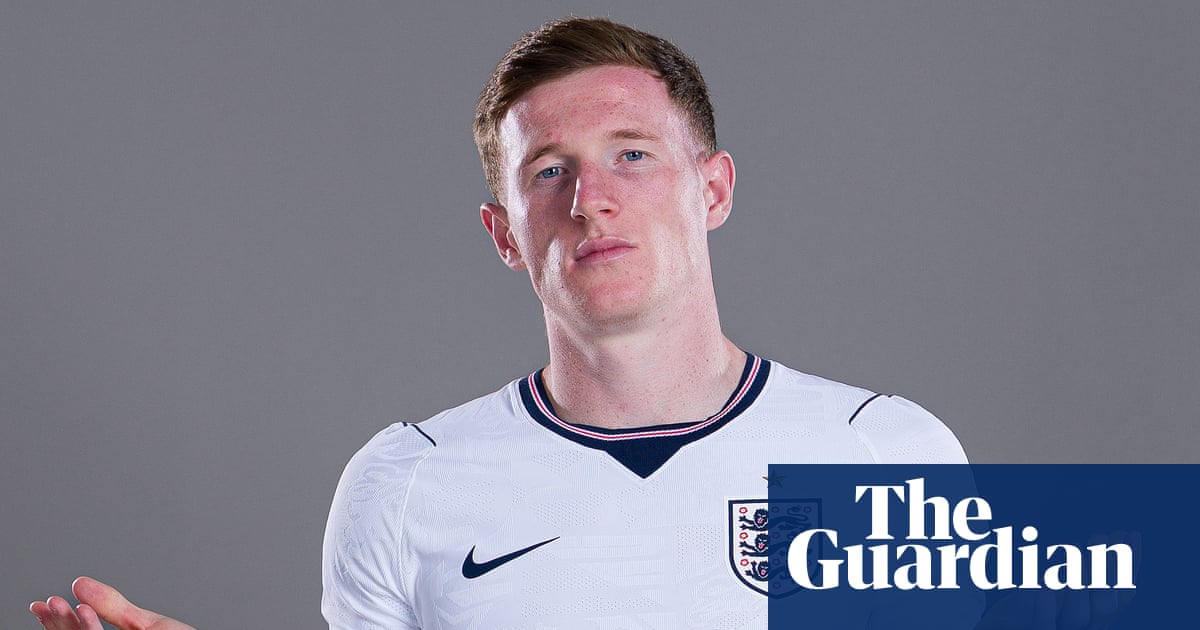
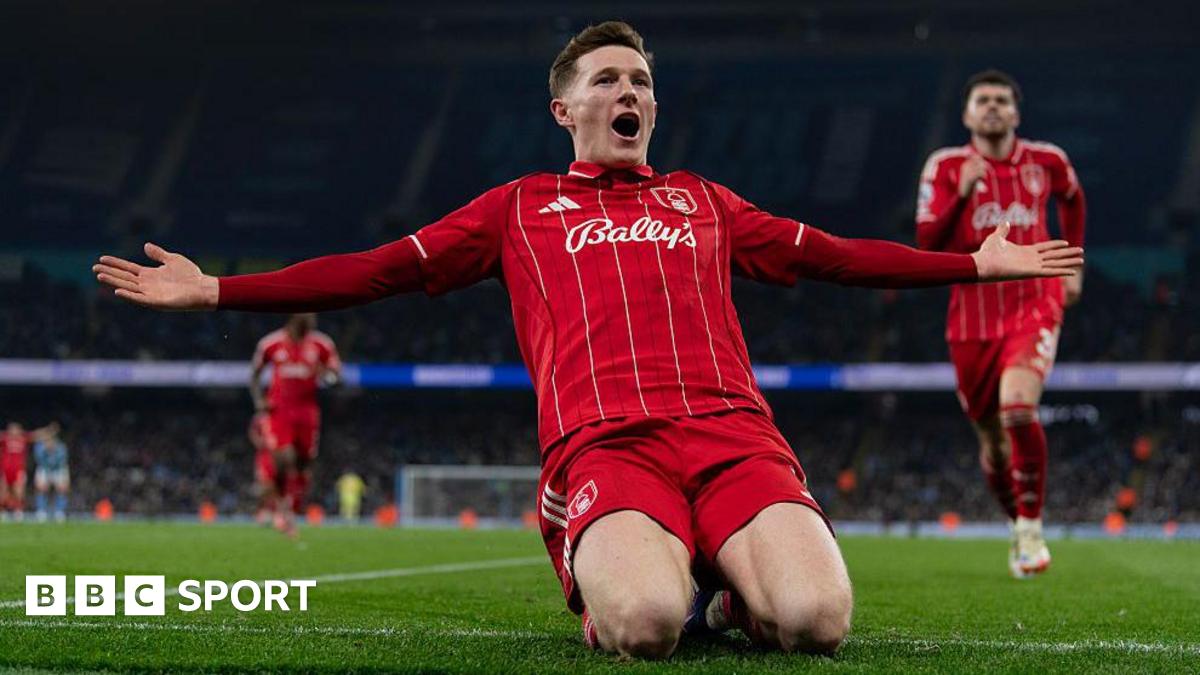
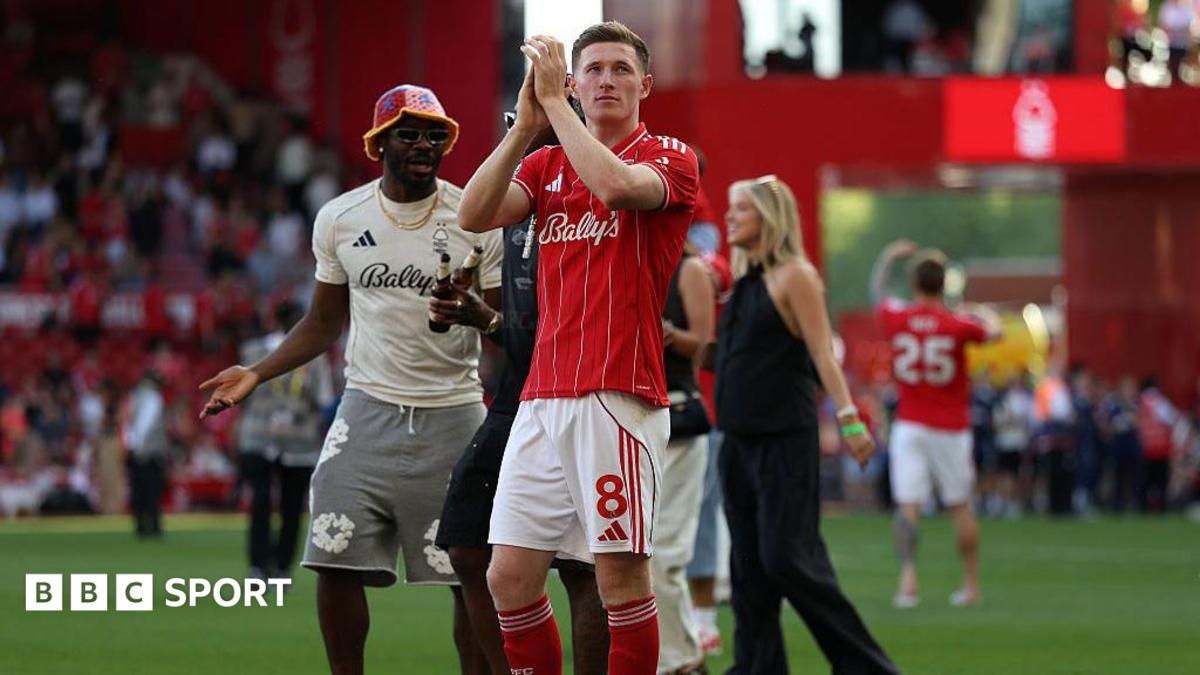
Nottingham Forest have established a firm stance on midfielder Elliot Anderson as the summer window opens. According to reports in the Daily Mail, Forest are demanding a figure of £110m for the playmaker. This valuation positions Anderson to become the most expensive English player in history if a move materializes.
Both Manchester City and Manchester United are actively monitoring the situation. The interest is grounded in Anderson's tactical versatility, specifically his ability to operate in the half-spaces and retain possession under high-press situations. City look at him as a long-term successor to their aging creative core, while United see him as a necessary upgrades to a transitional midfield.
The economics of a record bid
Paying £110m for an English midfielder is a high-stakes gamble that forces clubs toward significant financial scrutiny. While both Manchester giants have the capital, the Premier League’s Profit and Sustainability Rules act as a primary barrier to entry for such a massive outlay. Forest are essentially forcing the market to decide if they value homegrown talent at or near the nine-figure mark.
This is a Tier 3 news story based on the current reporting of the asking price. While the interest from Manchester clubs is noted, there have been no formal bids submitted as of June 10, 2026. The gap between initial interest and a structured offer remains wide, primarily due to the astronomical valuation set by the selling club.
Tactical concerns and potential flaws
Investing this level of capital into Anderson carries tangible risks. While his technical output is high, questions remain regarding his endurance through a full 60-game season across domestic and European competitions. Critics point to his fluctuating consistency during the darker periods of Forest's campaign last season as proof that he is not yet a polished commodity worth such a staggering valuation.
Furthermore, his fit within Pep Guardiola's system would require significant adaptation. Anderson thrives on freedom, whereas City's midfield structure demands rigid positioning and discipline. Whether he can recalibrate his game to meet these standards without losing his creative spark is the biggest question analysts are asking.
The wider market movement
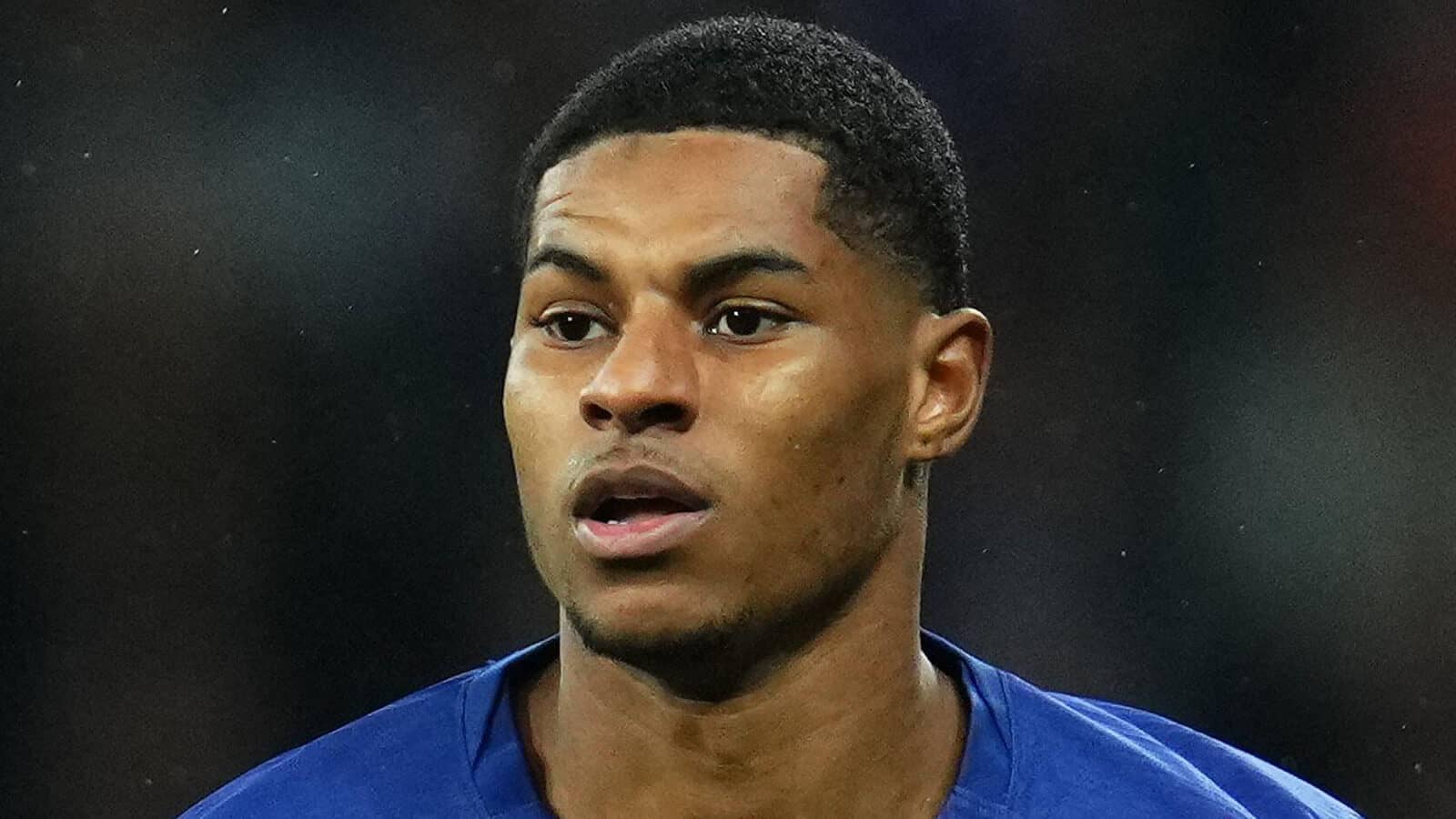
The broader summer dynamics are also colored by the cooling market for other Premier League stars. Barcelona recently ended their pursuit of Marcus Rashford, as highlighted by the Daily Mail, citing a refusal to pay even £26m for a player with significant pedigree. This suggests that clubs are becoming increasingly resistant to paying premiums, which makes the £110m price tag on Anderson look particularly aggressive.
Chelsea are also lurking on the periphery of the market, reportedly evaluating their own options for attacking reinforcements. As noted by Football365, any move for players like Rashford depends on strict internal conditions, further signaling that the 2026 window may lack the usual volume of big-money moves.
Probability assessment
The probability of a deal happening at the £110m mark is currently very low. Manchester City are rarely in the habit of meeting inflated asking prices for unproven stars, and United’s hierarchy has shifted toward a more pragmatic recruitment strategy this off-season. Unless Forest lower their demands, this negotiation will likely remain in a state of stagnant posturing throughout the summer.
If a transfer were to occur, the tactical impact would be immediate and significant. Anderson possesses the raw tools to be a primary generator of chances, but the pressure of his price tag would be immense. He would enter the season knowing that a single poor match could trigger a wave of criticism regarding the wisdom of his record-breaking move.